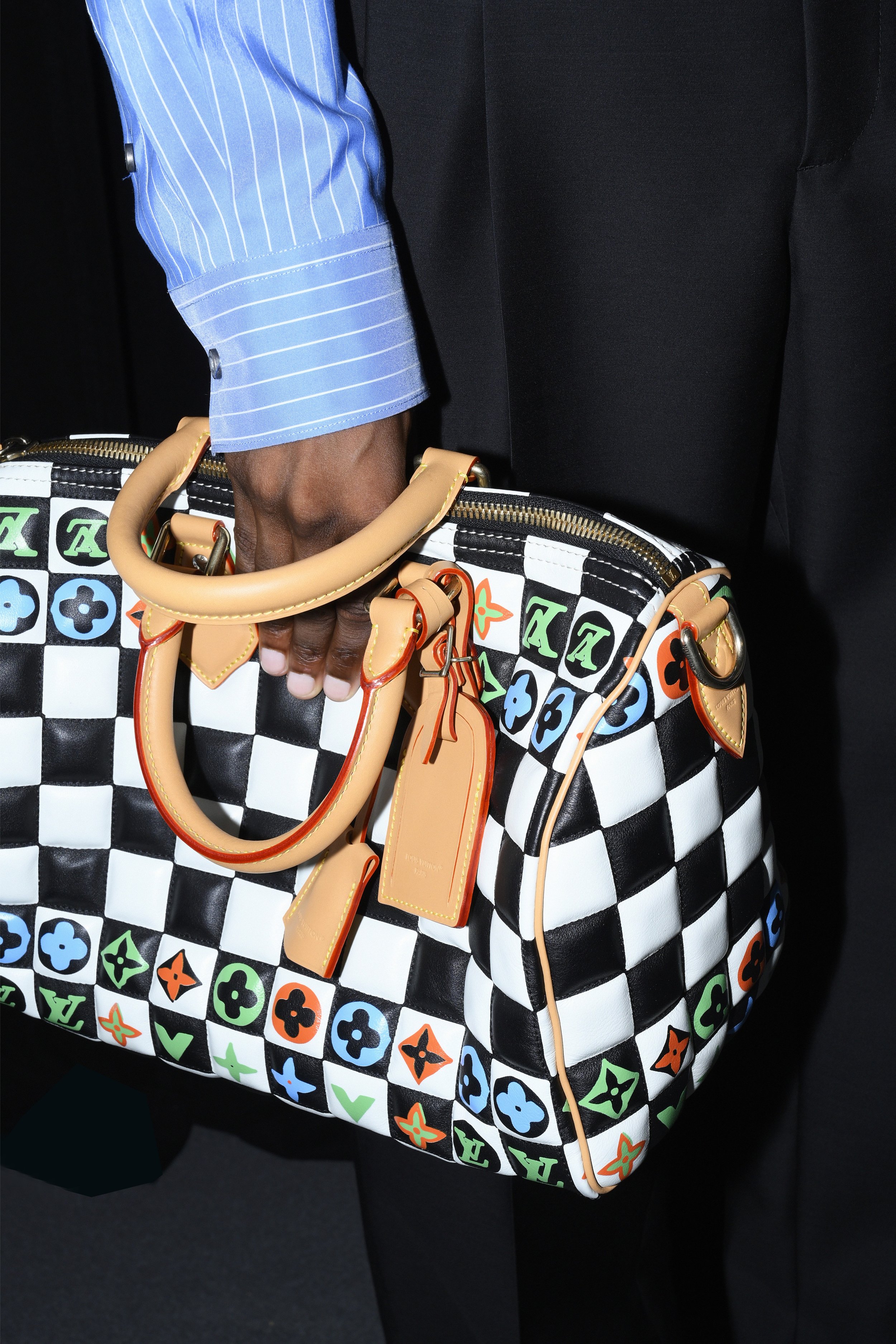
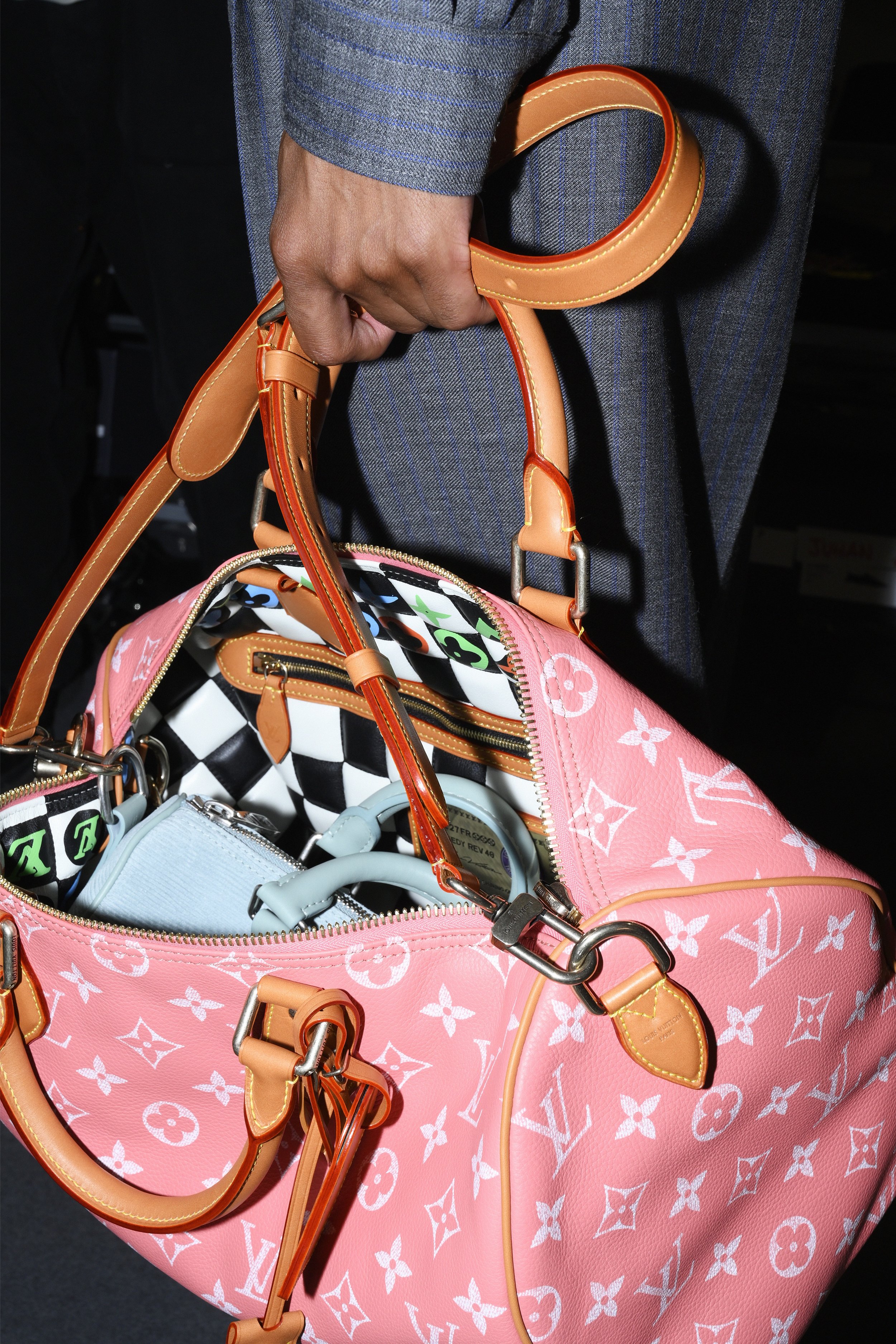
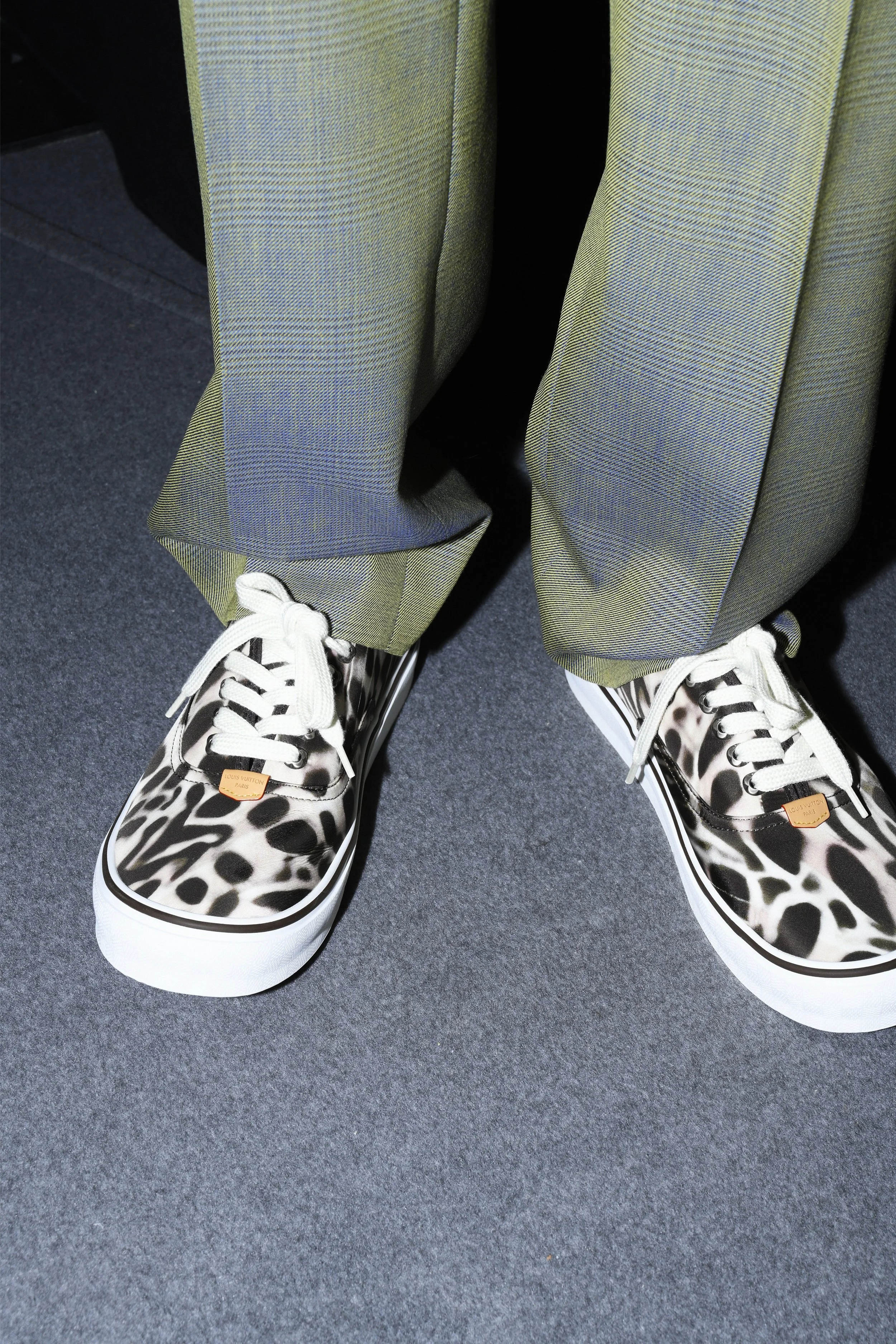
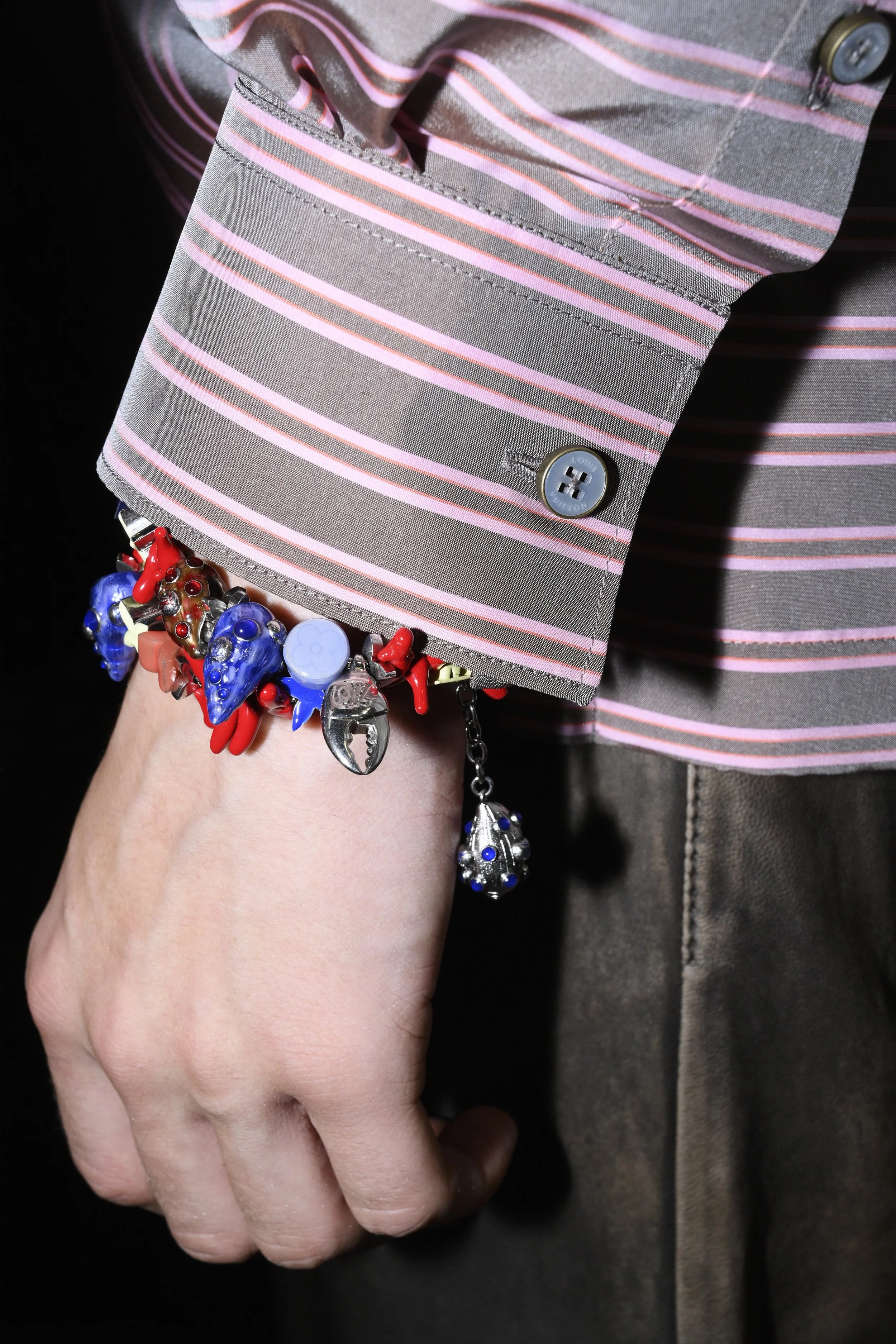
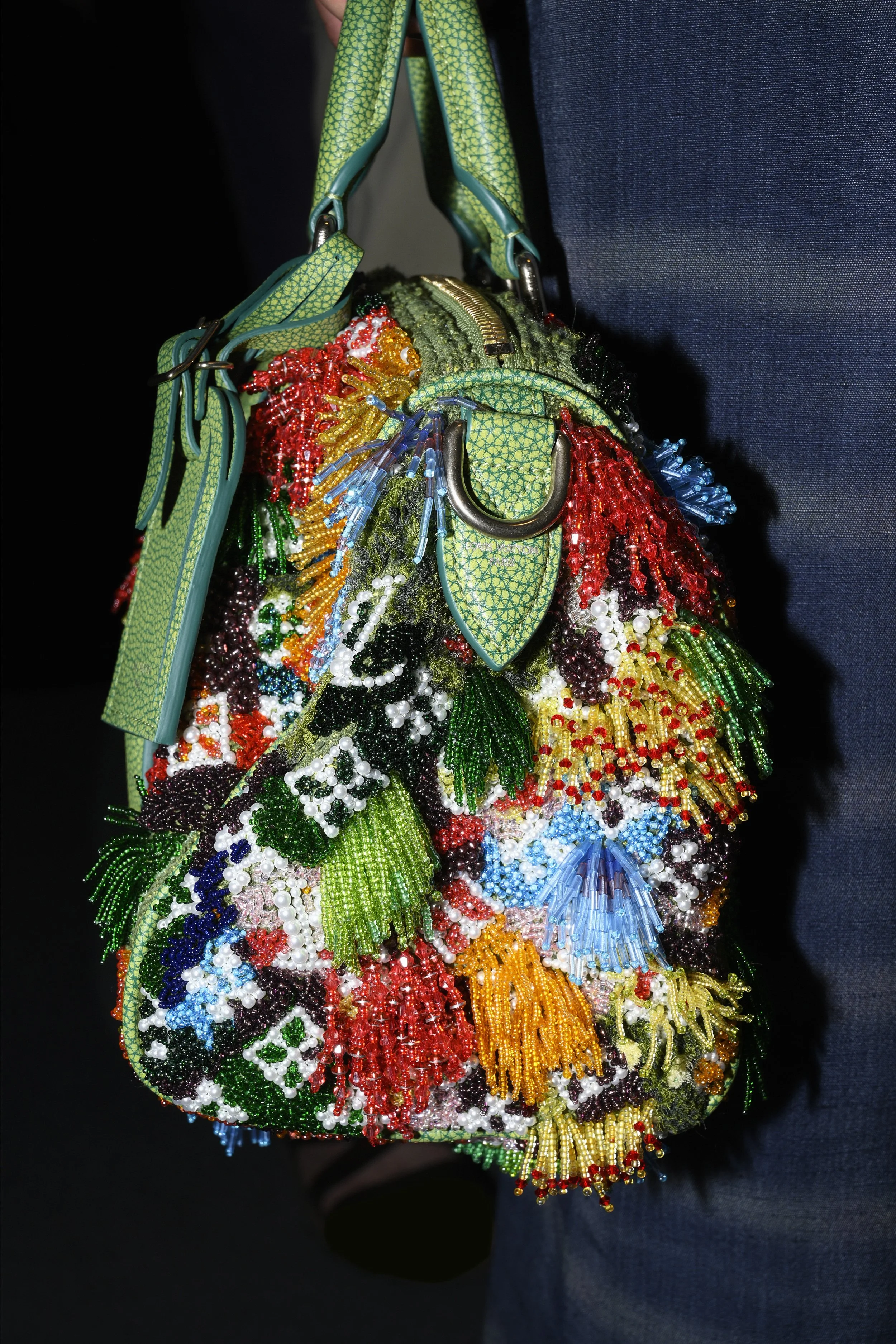
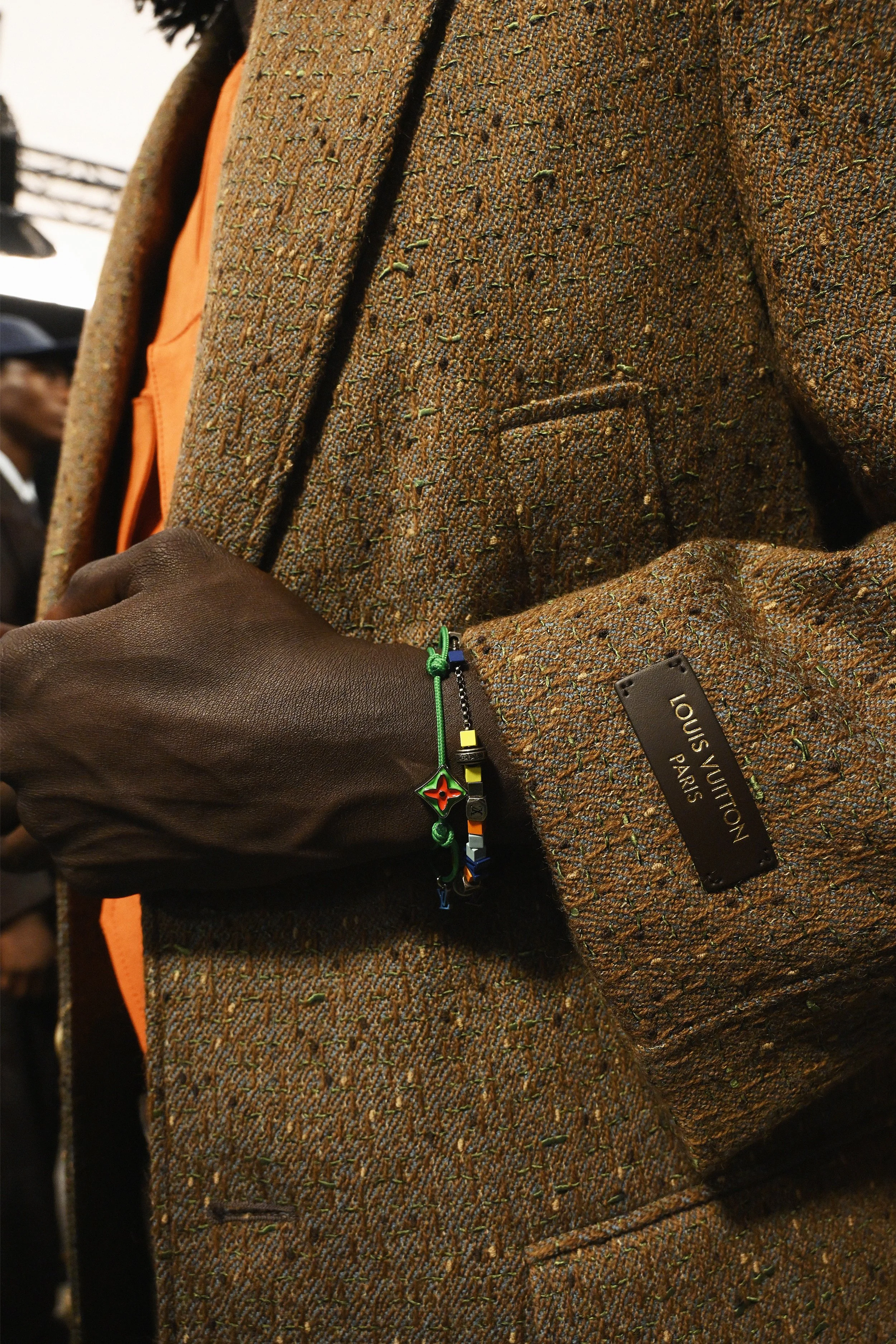
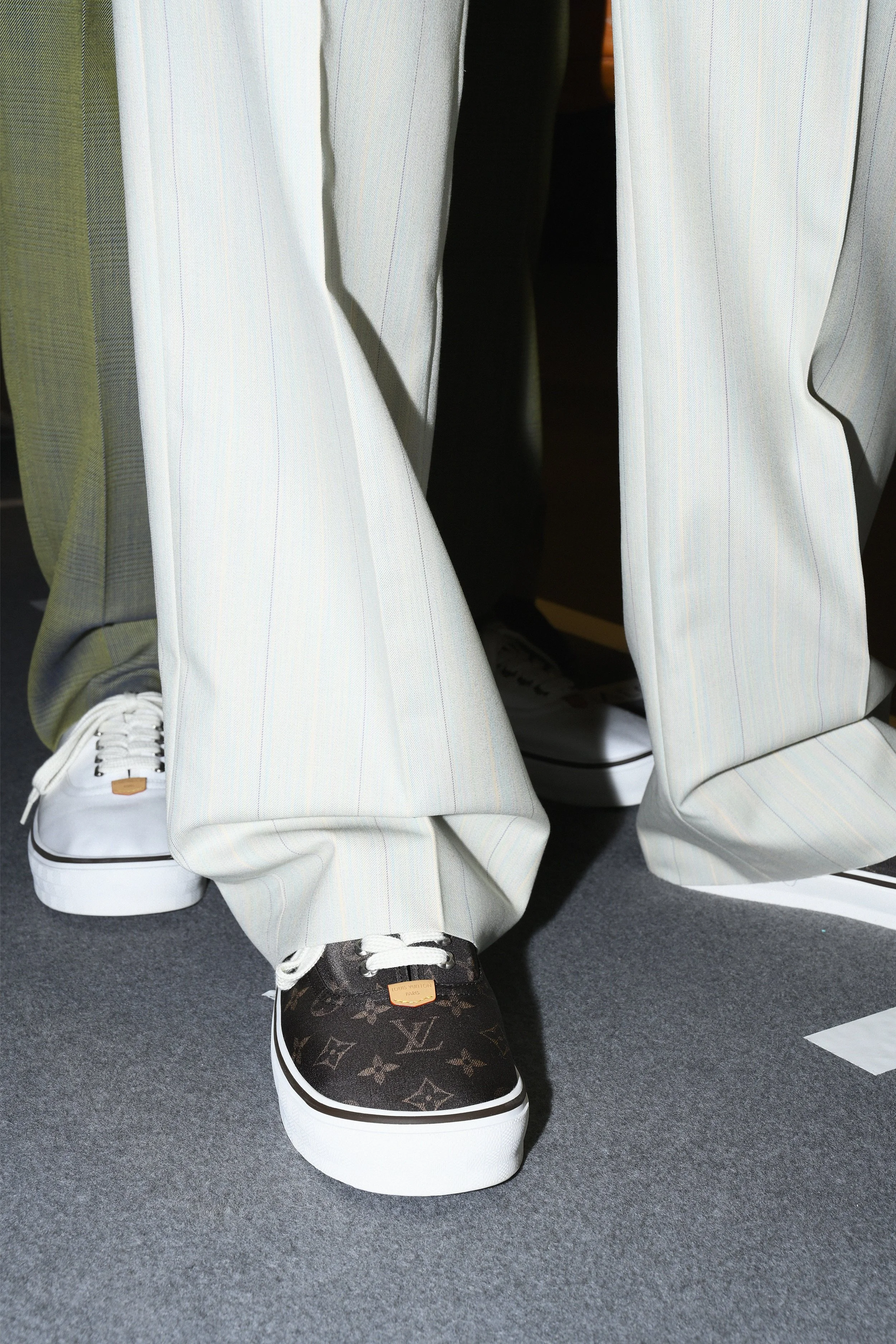
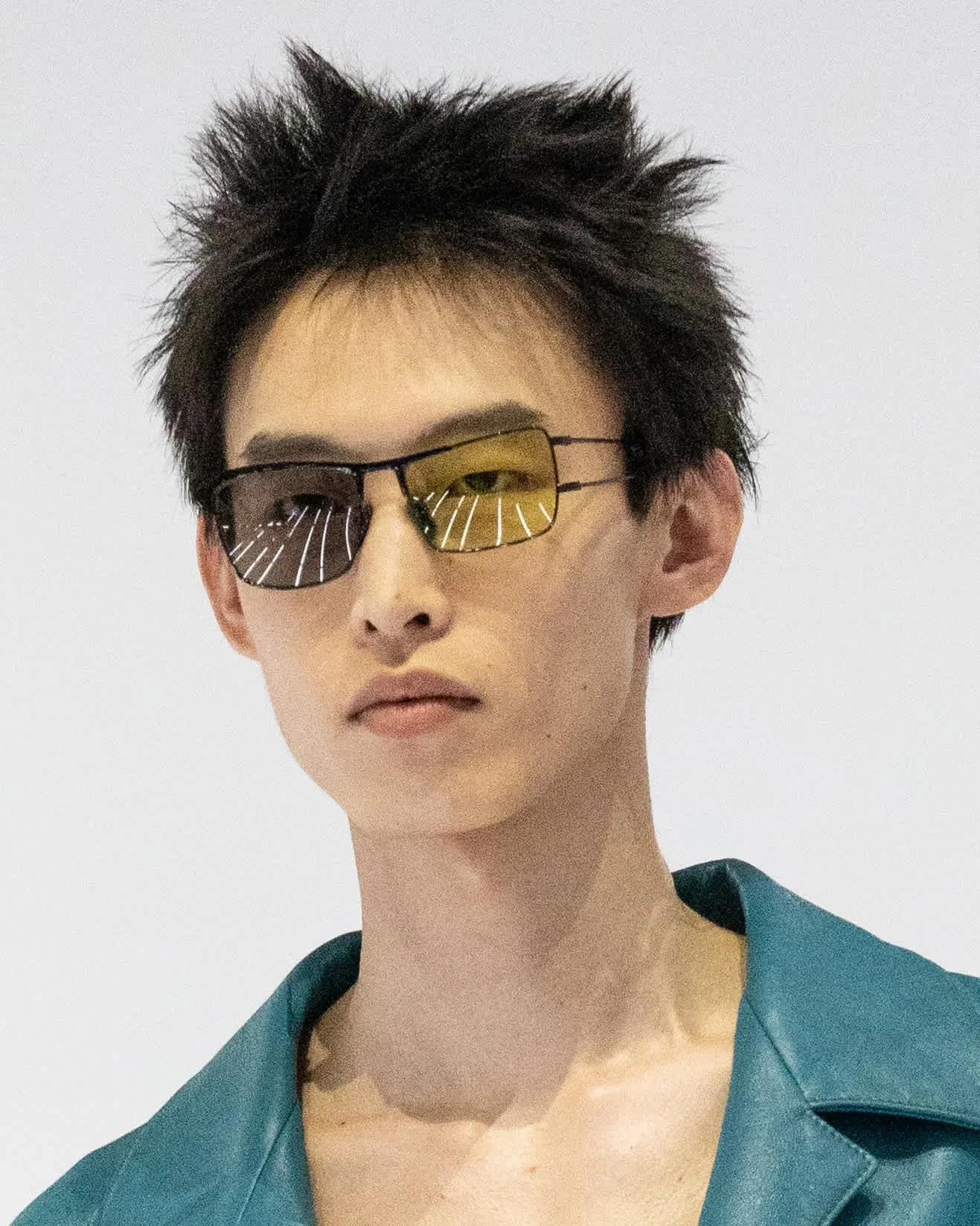
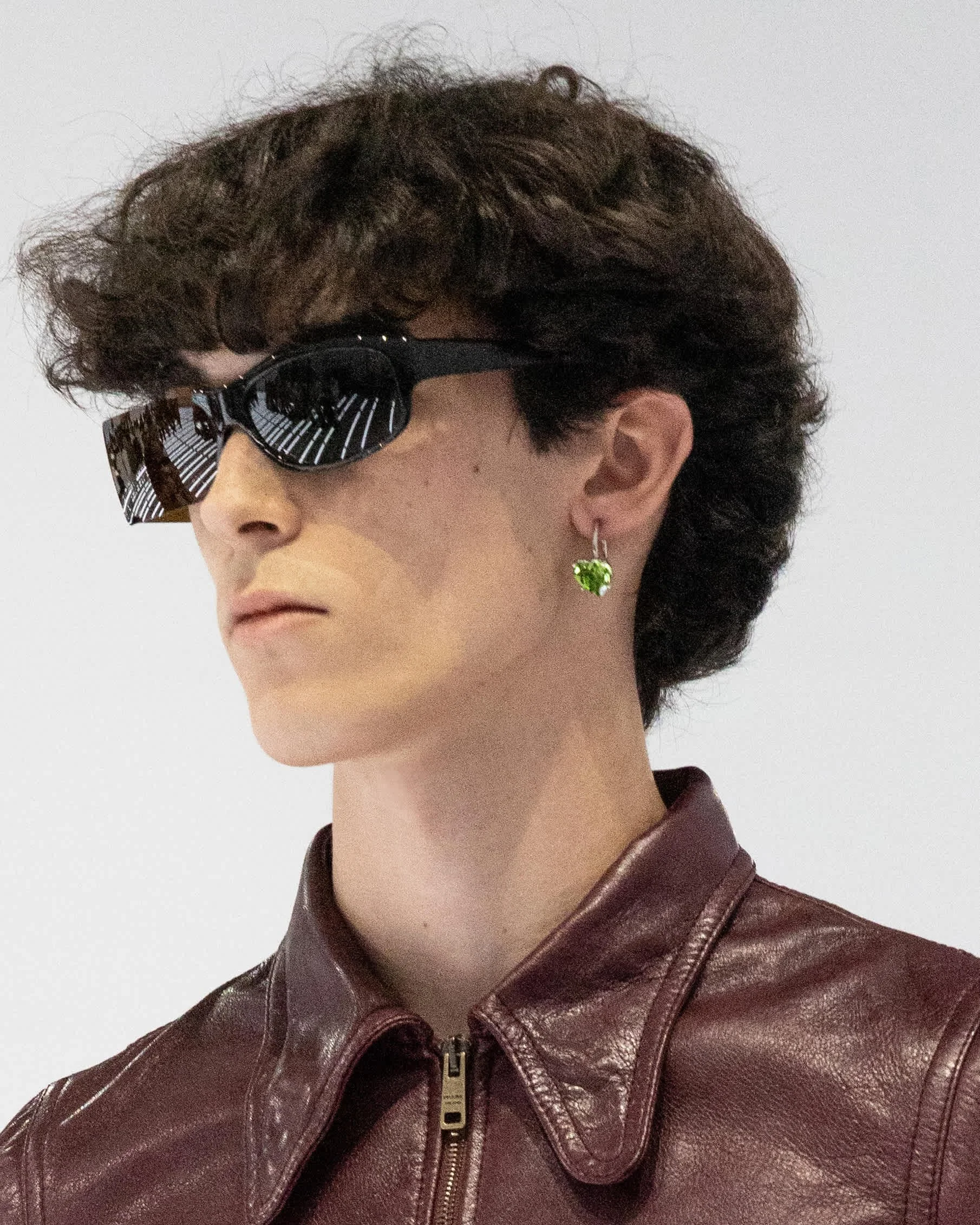
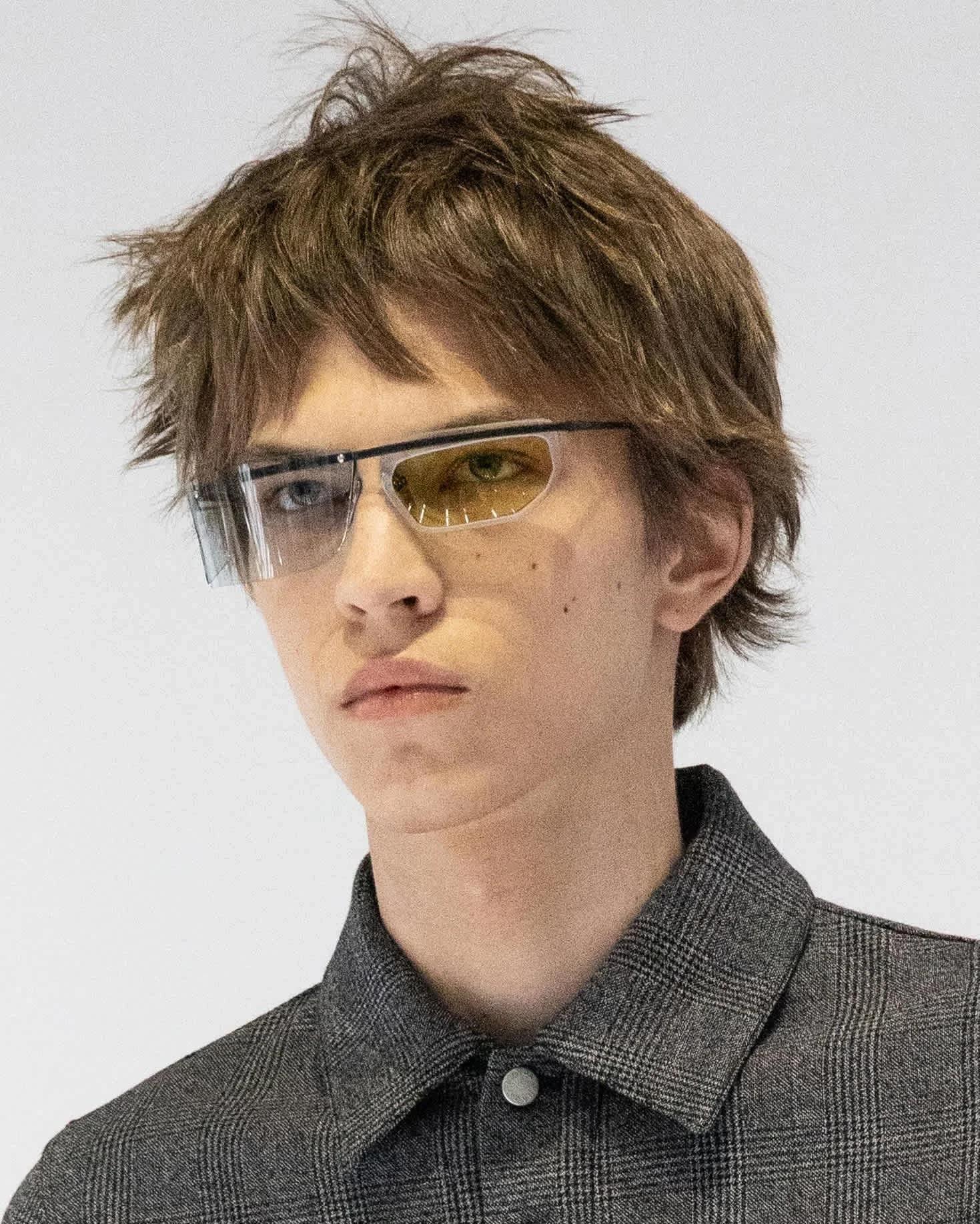
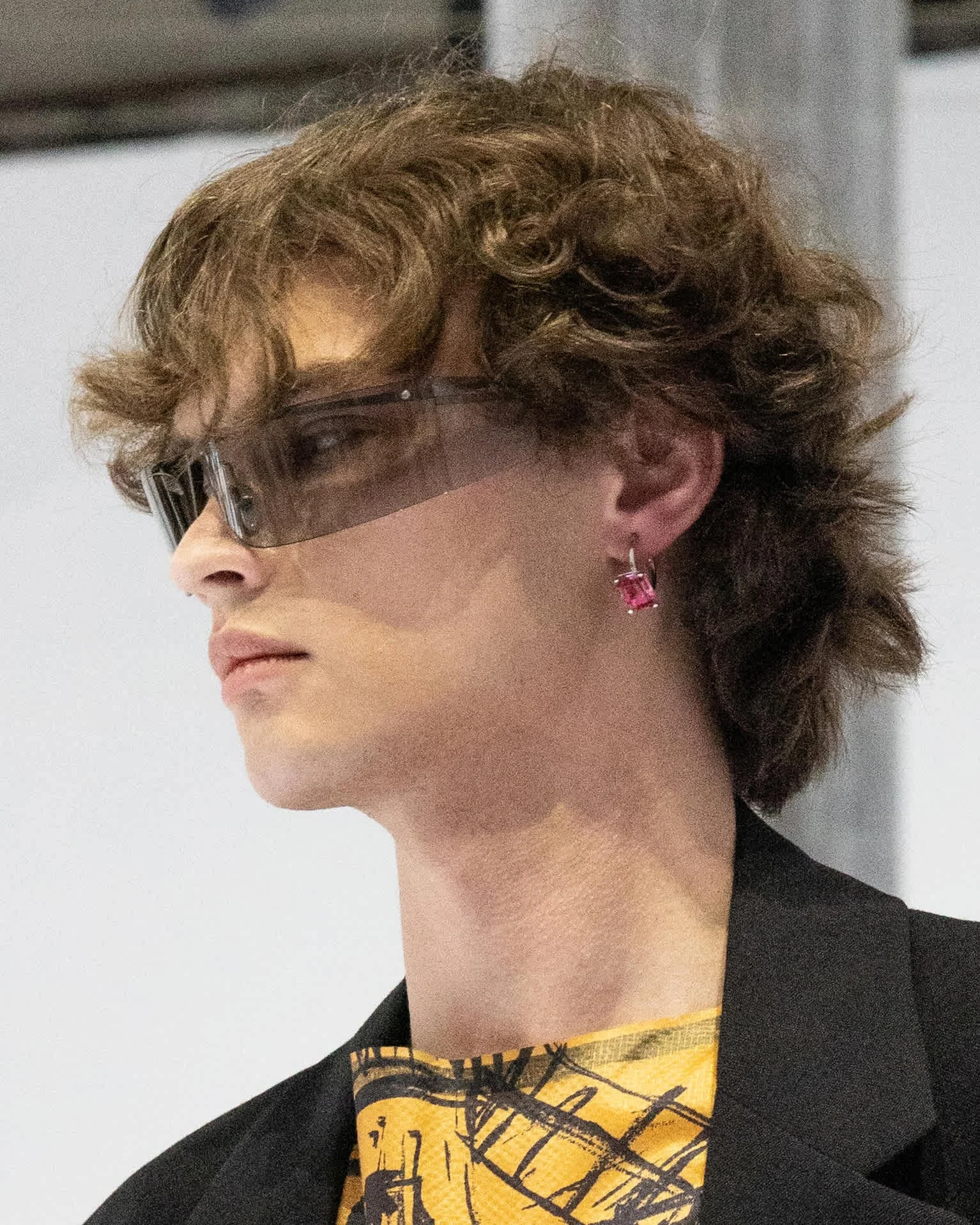
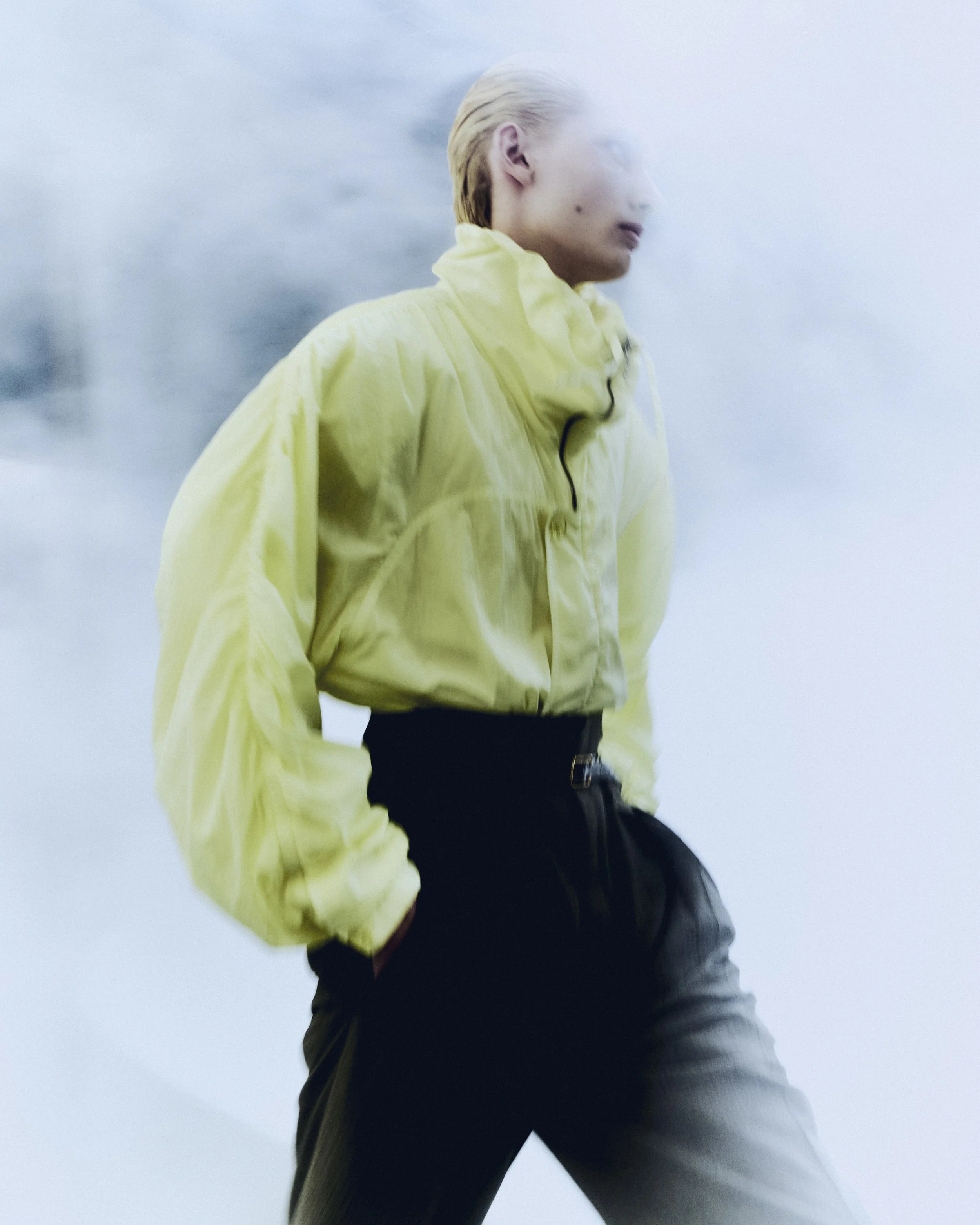
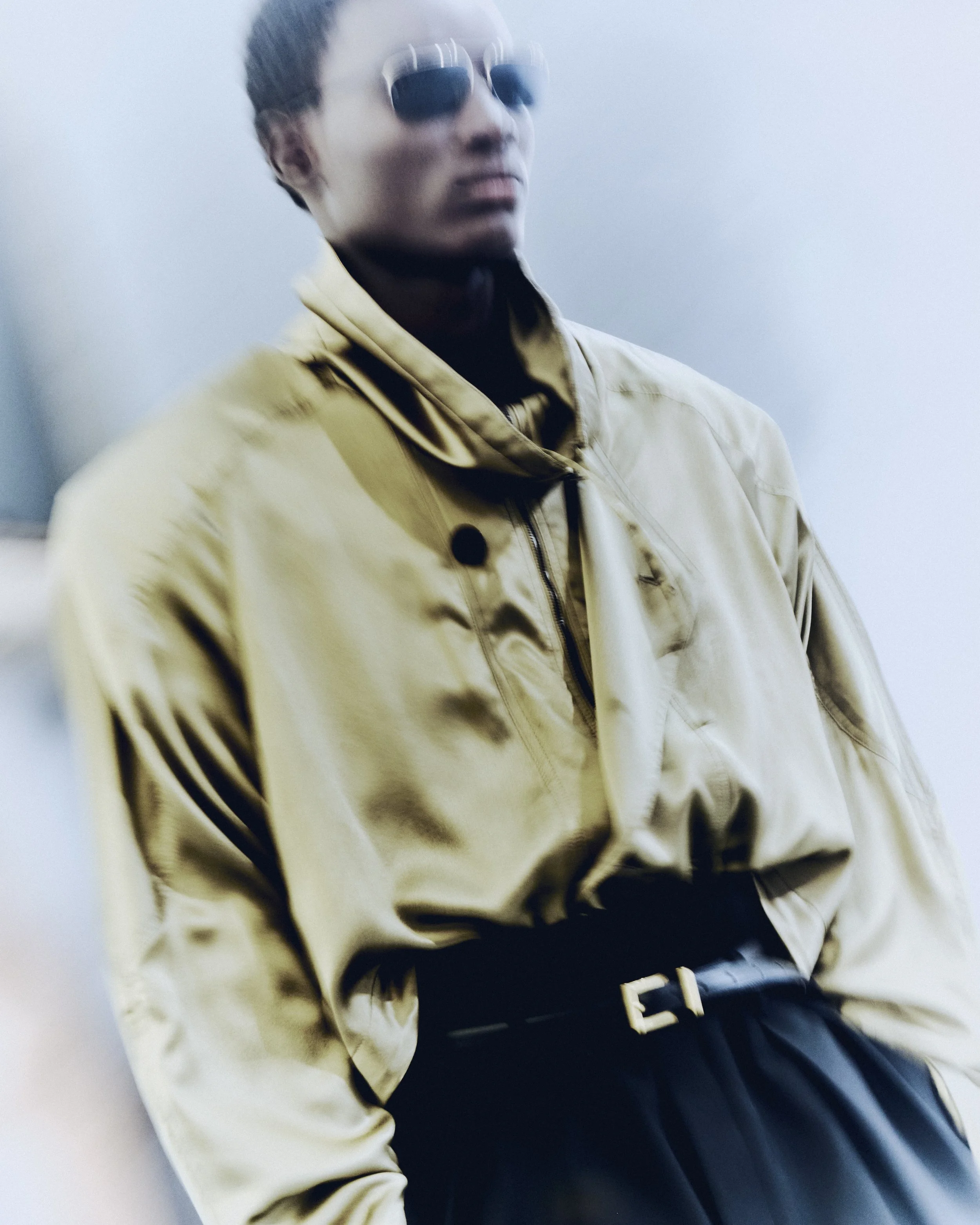
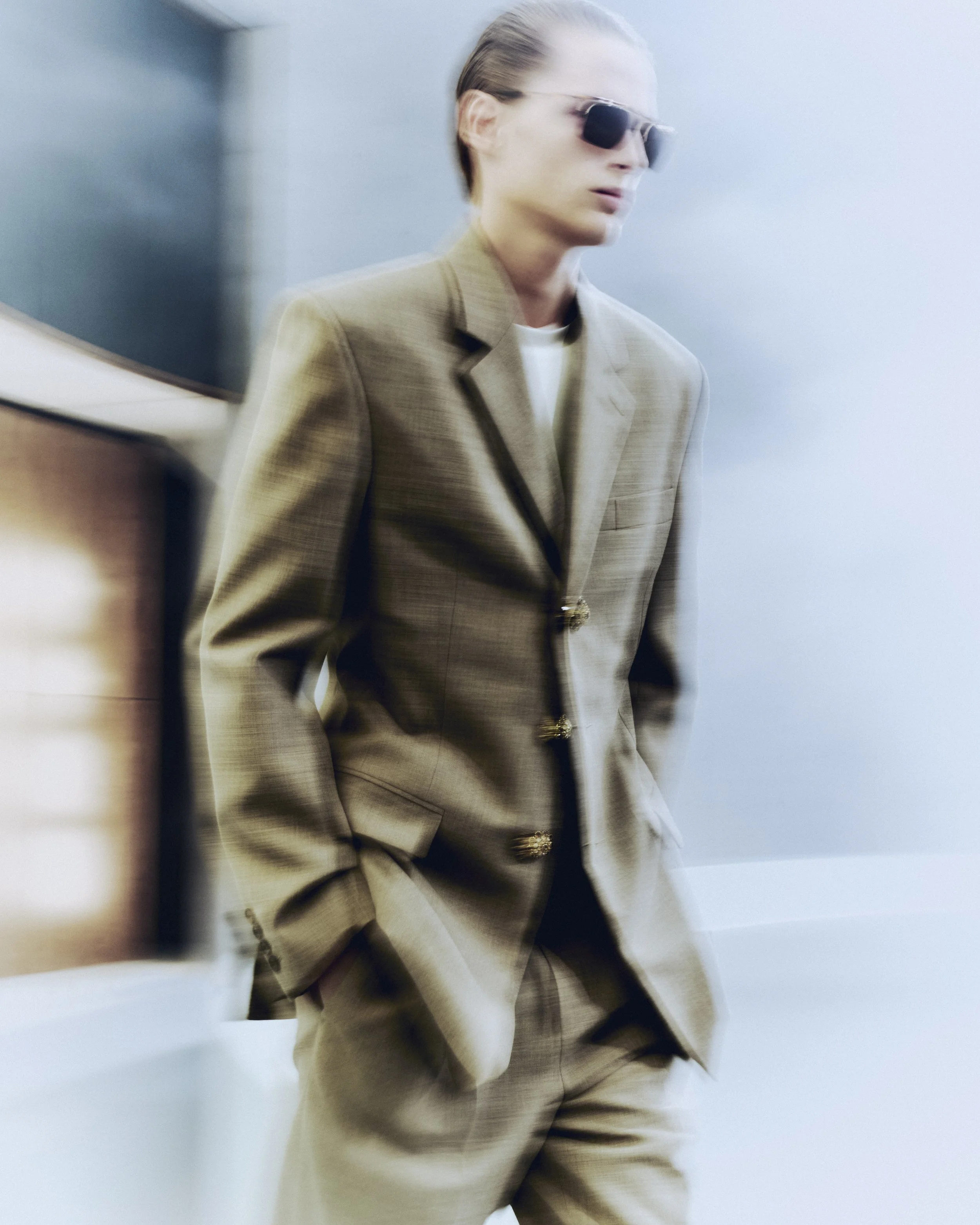
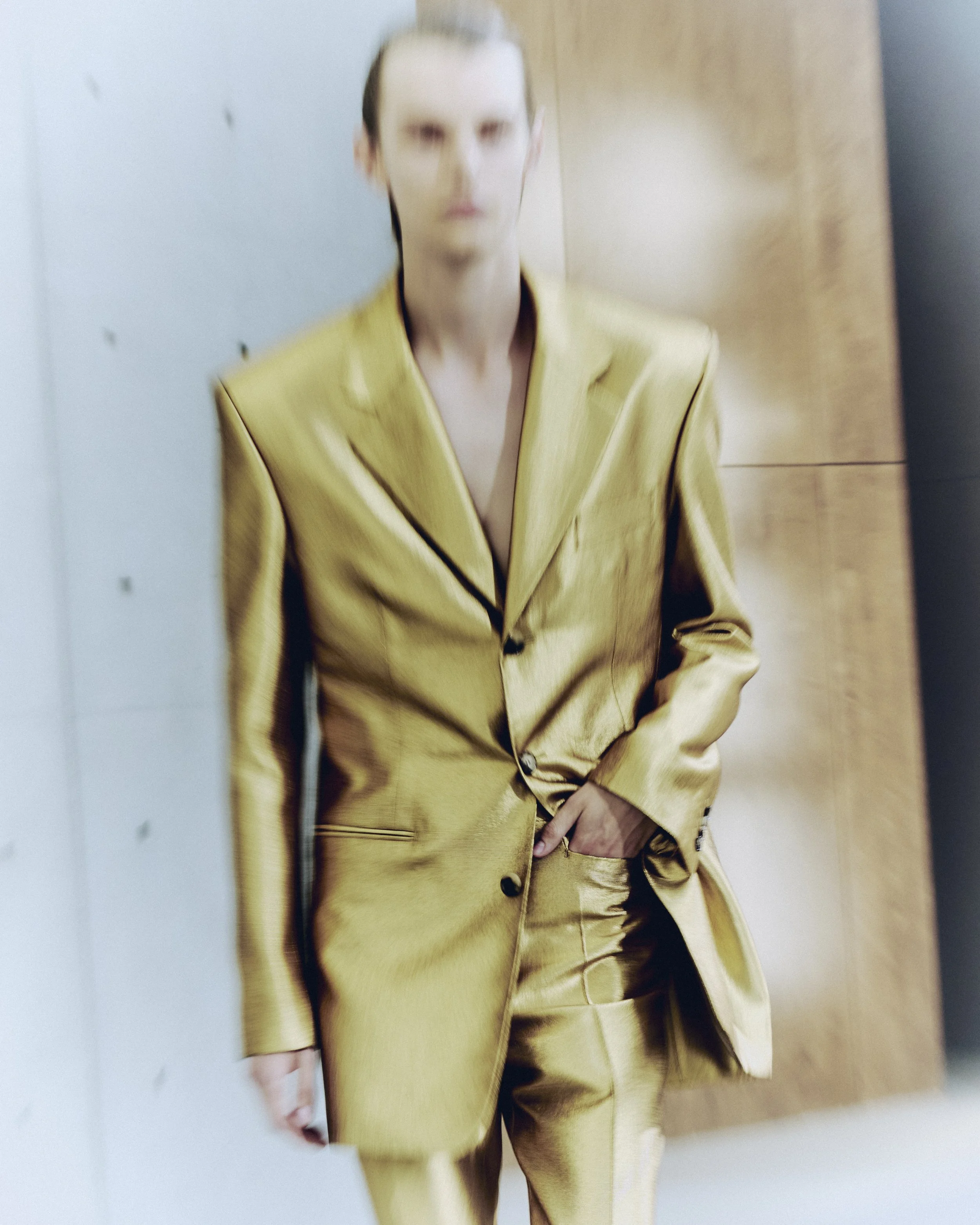
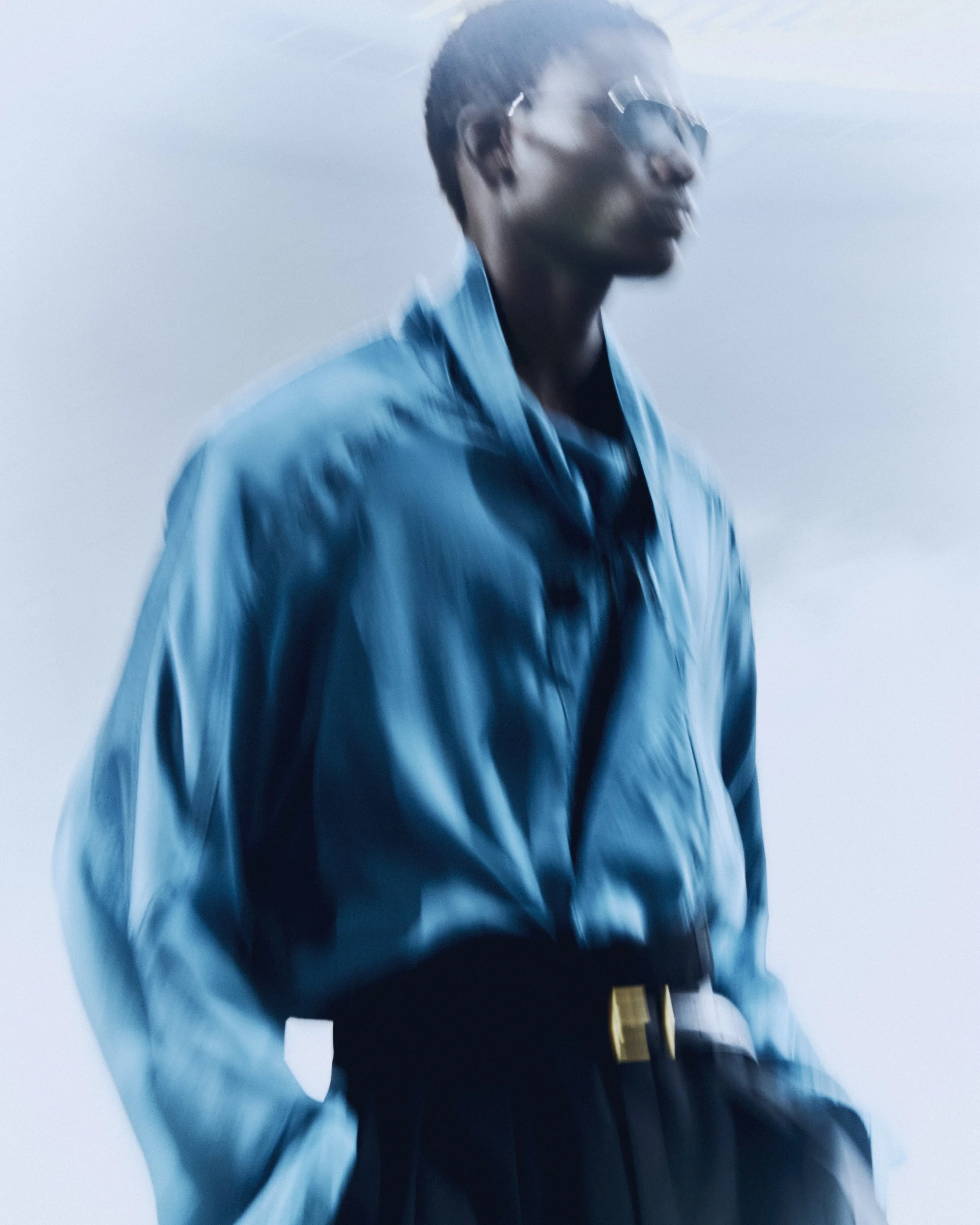
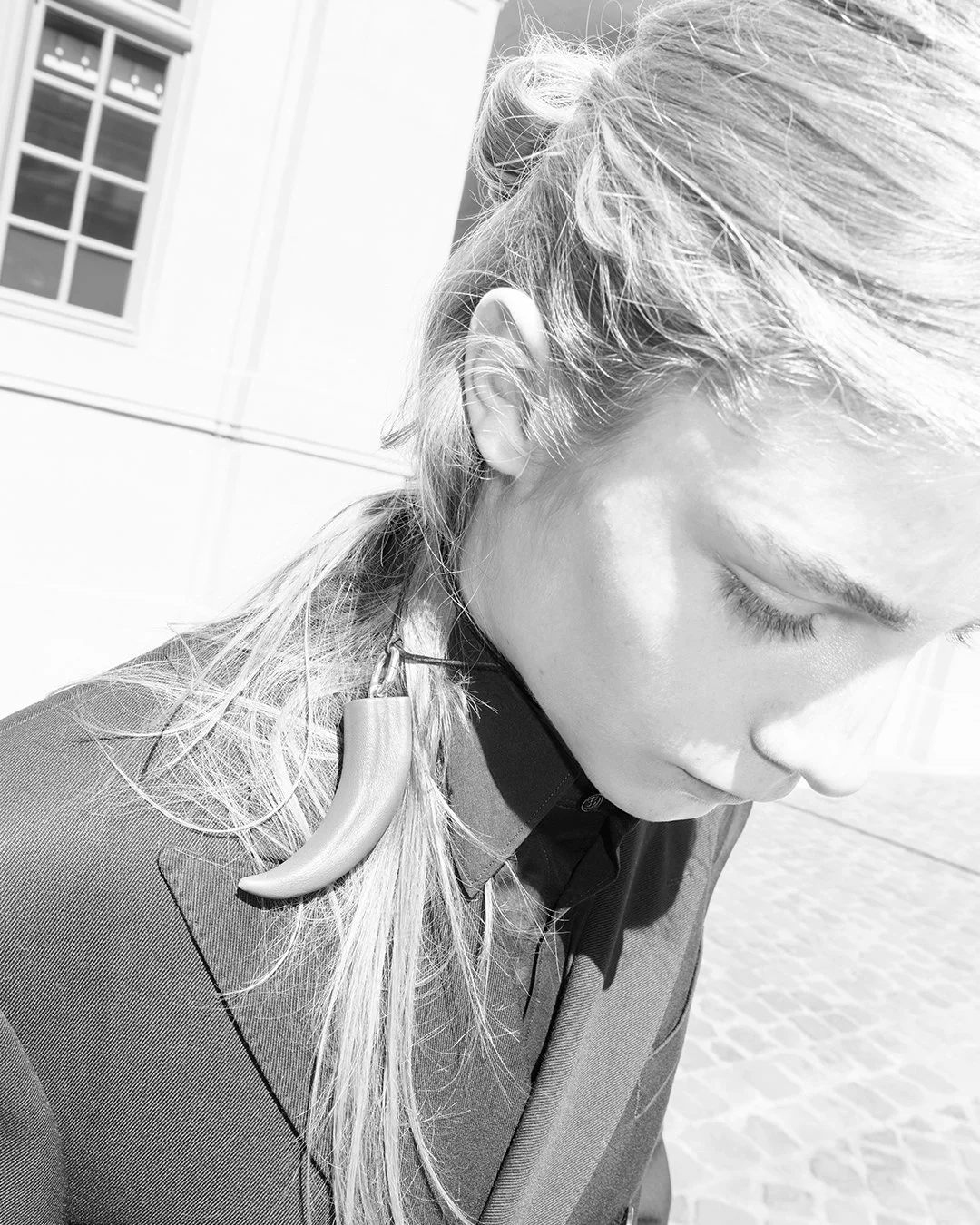
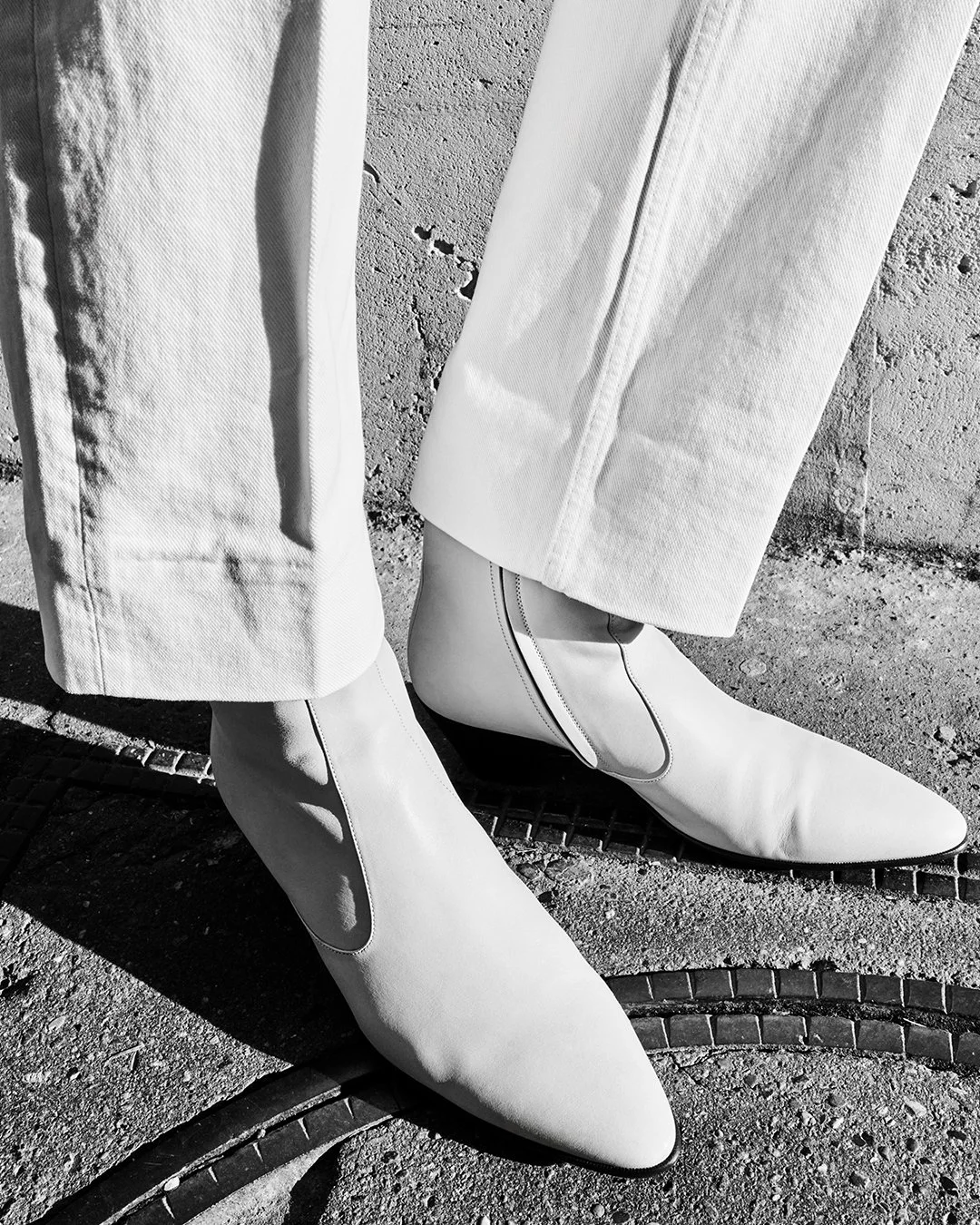
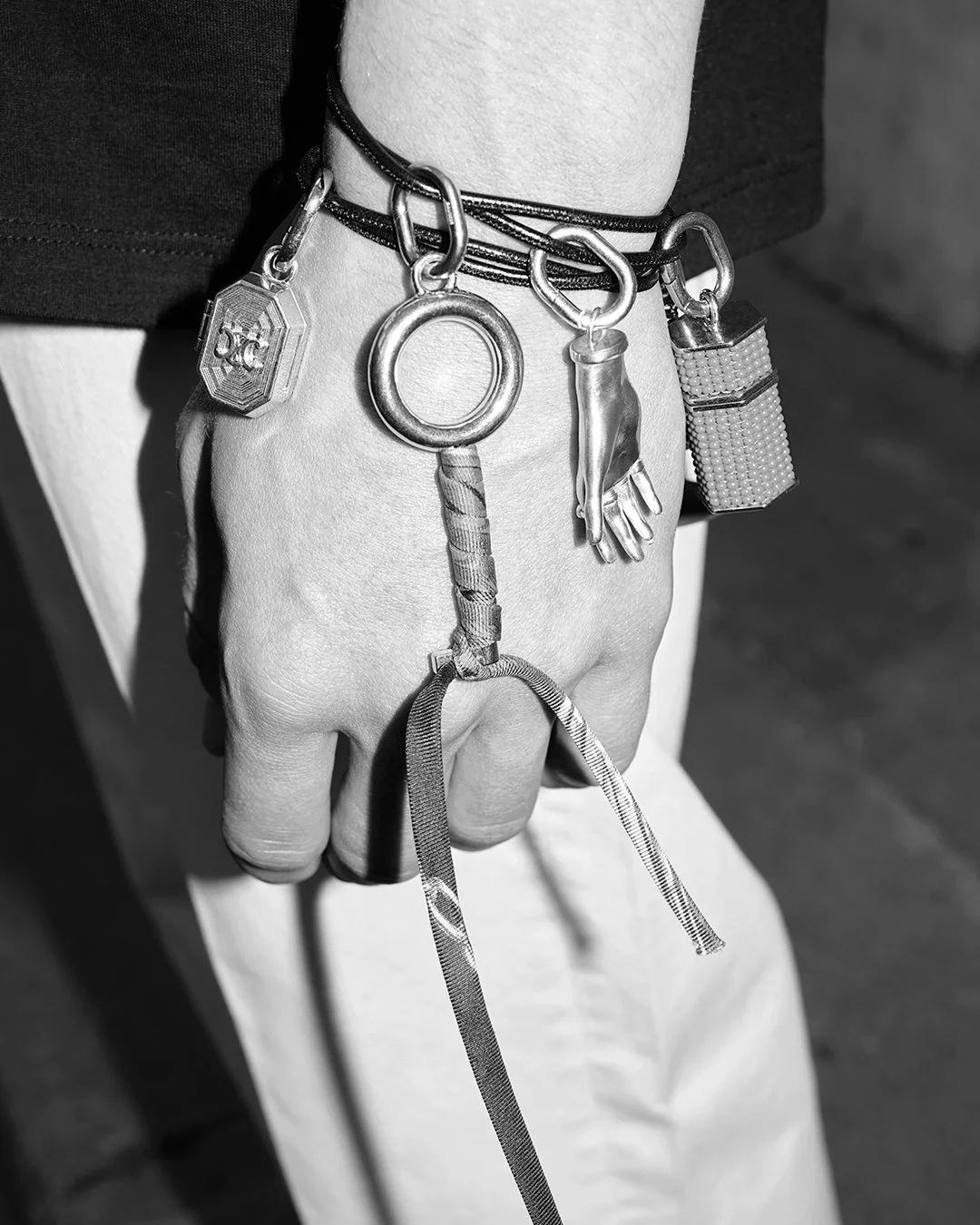
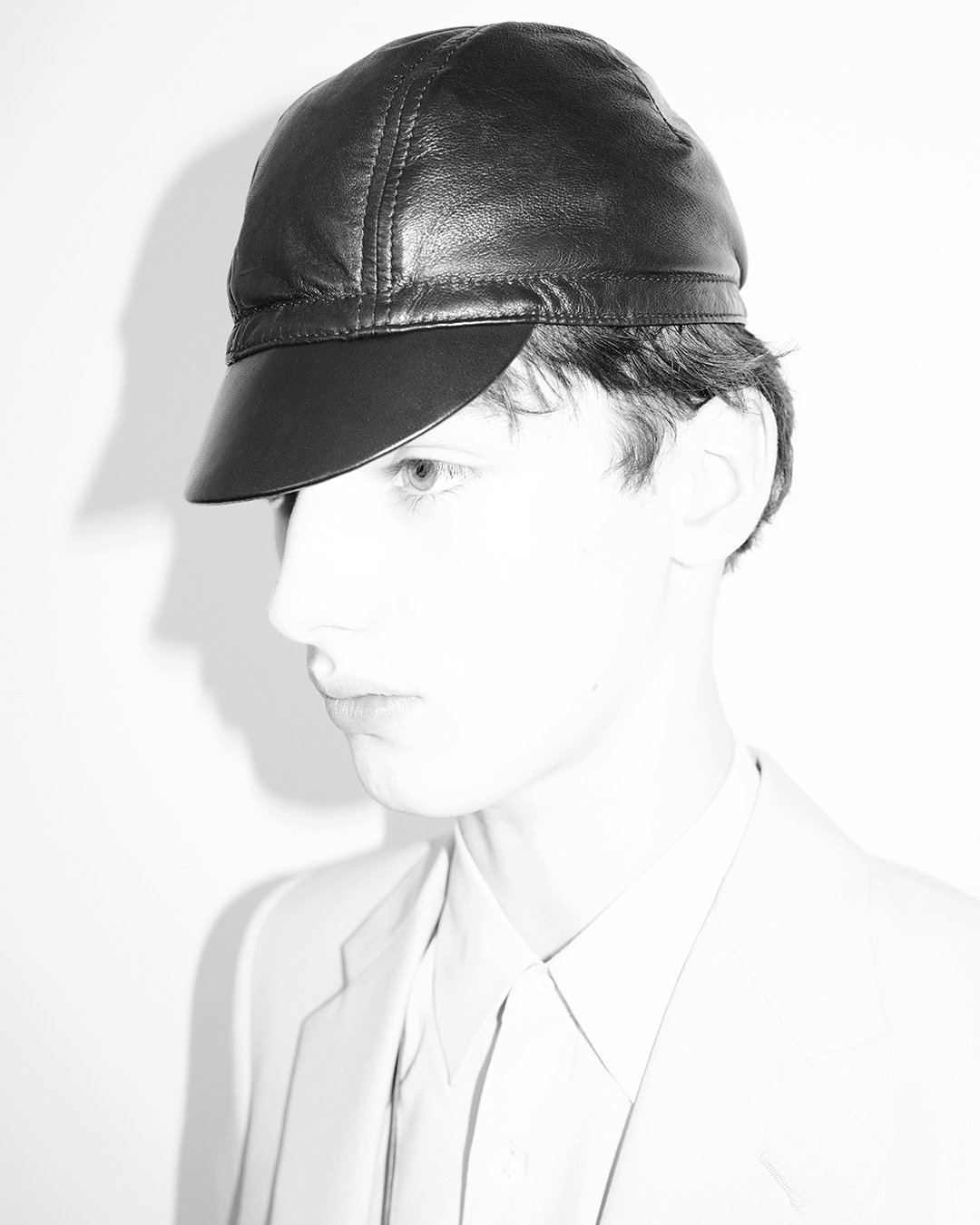
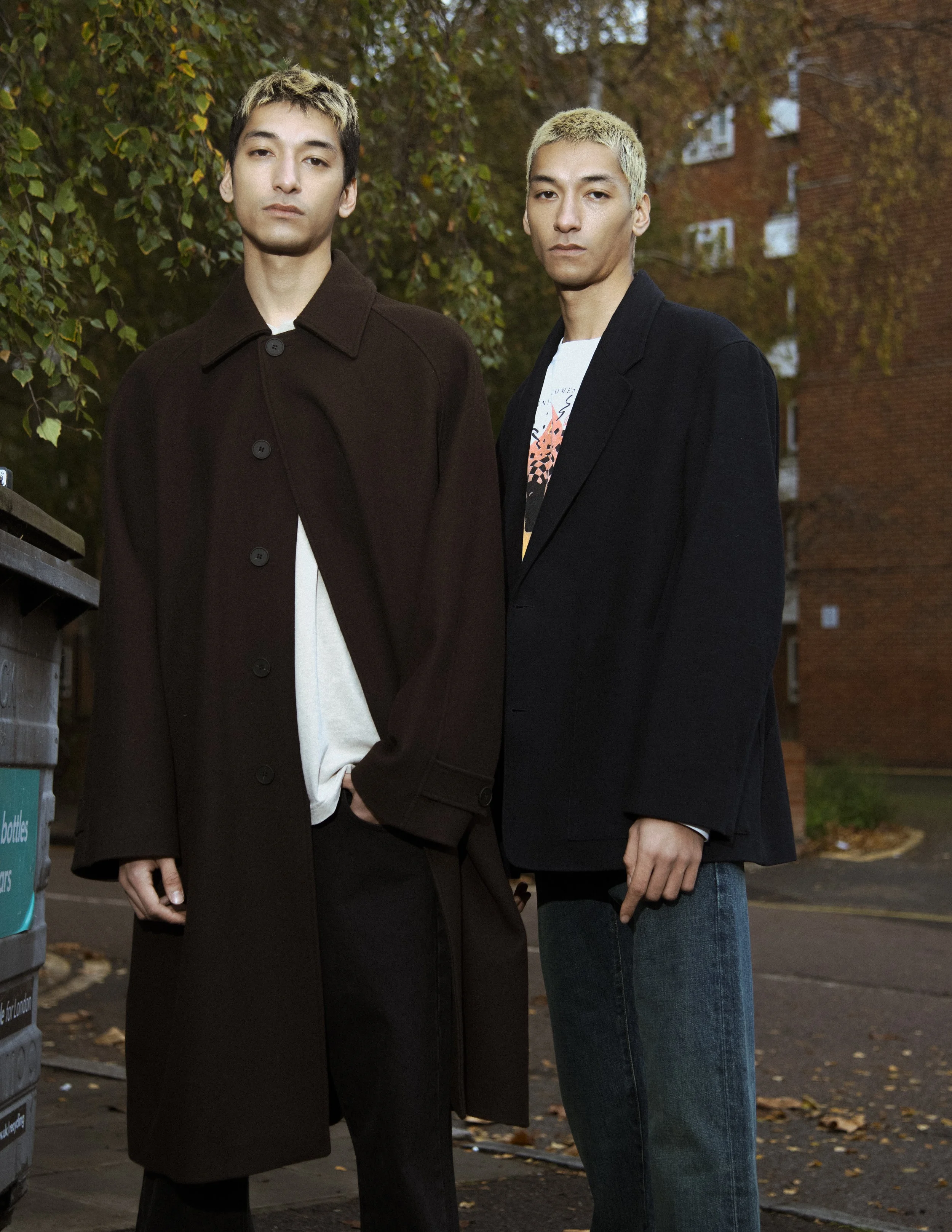
Backstage: Louis Vuitton Men's Spring/Summer 2027

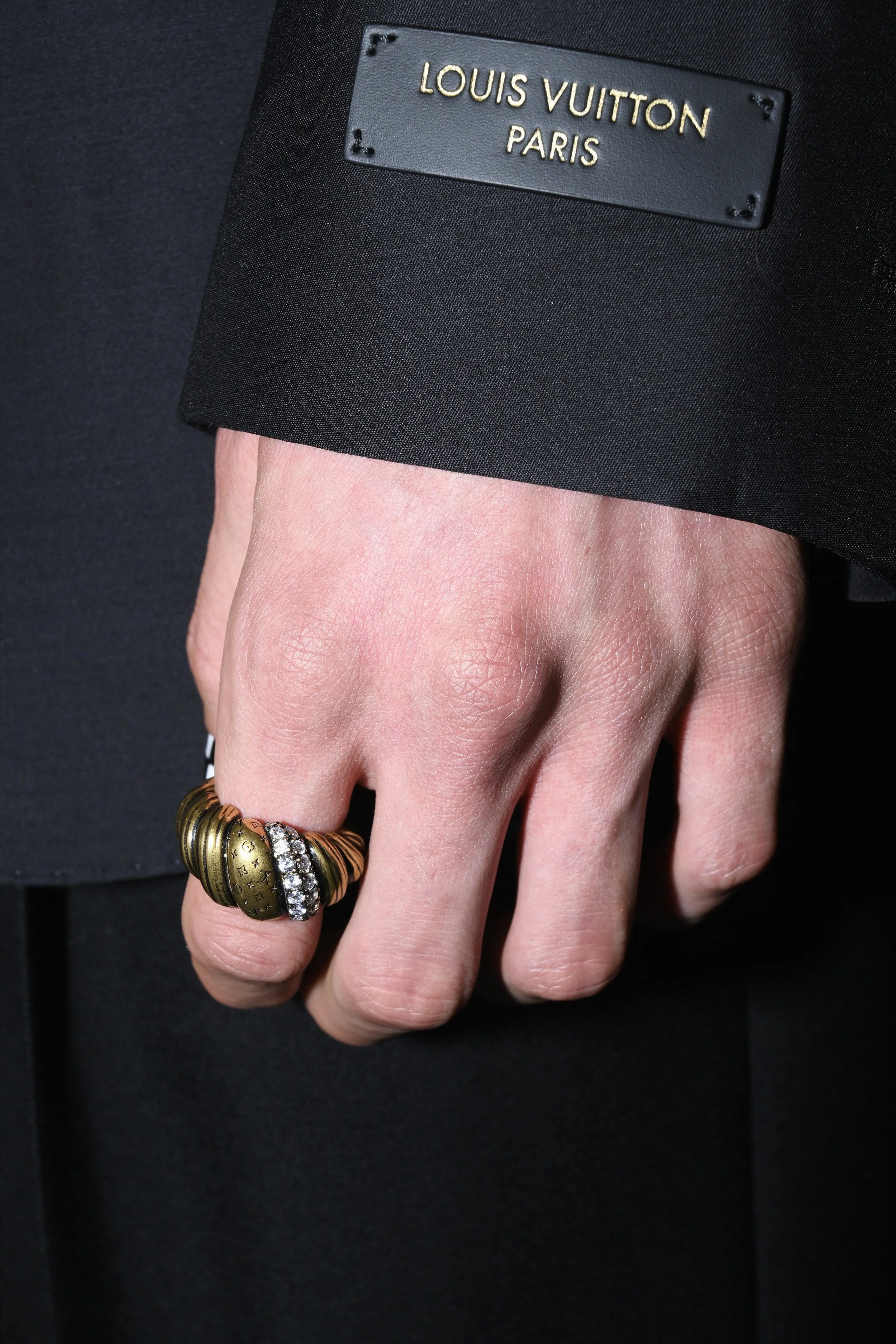
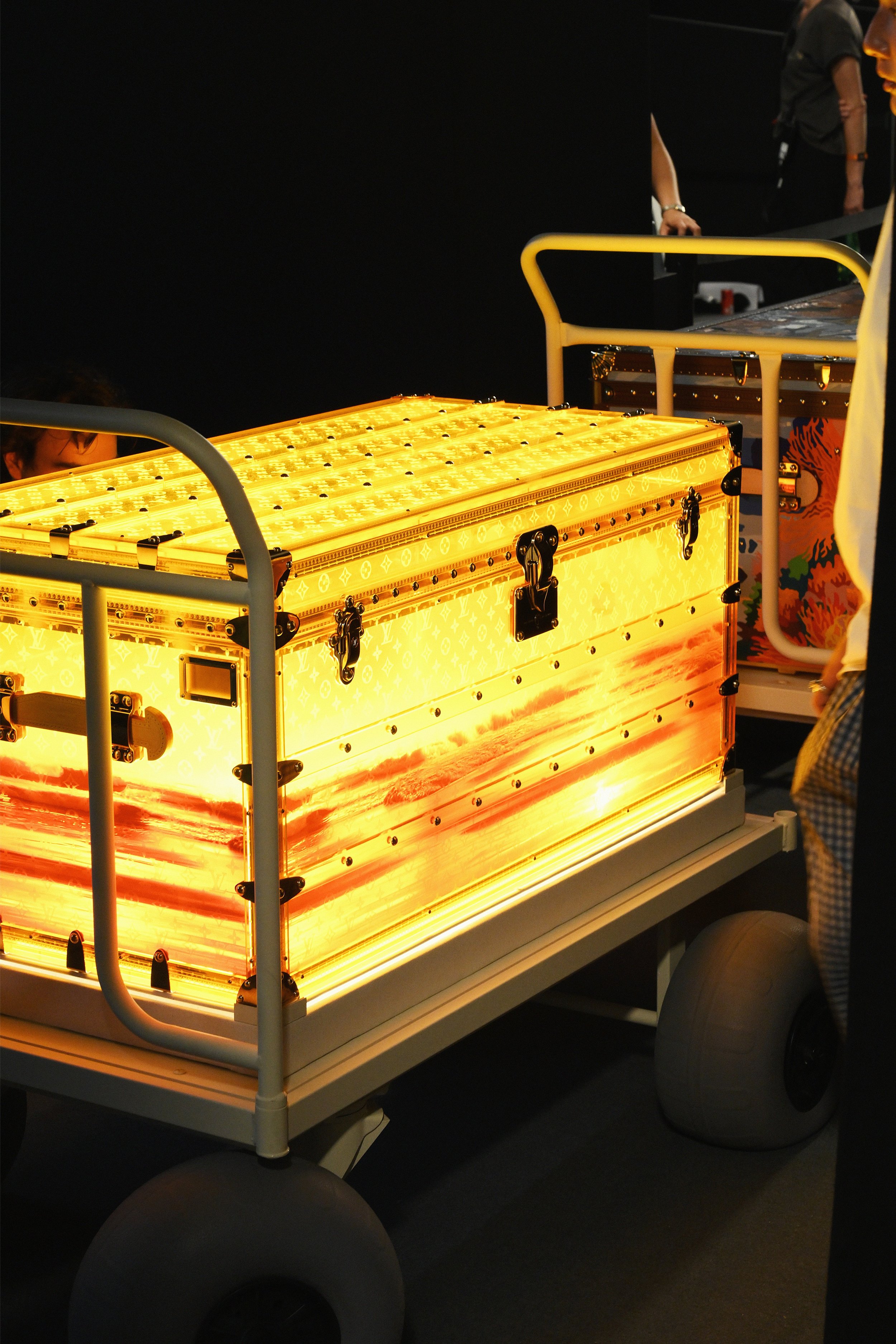
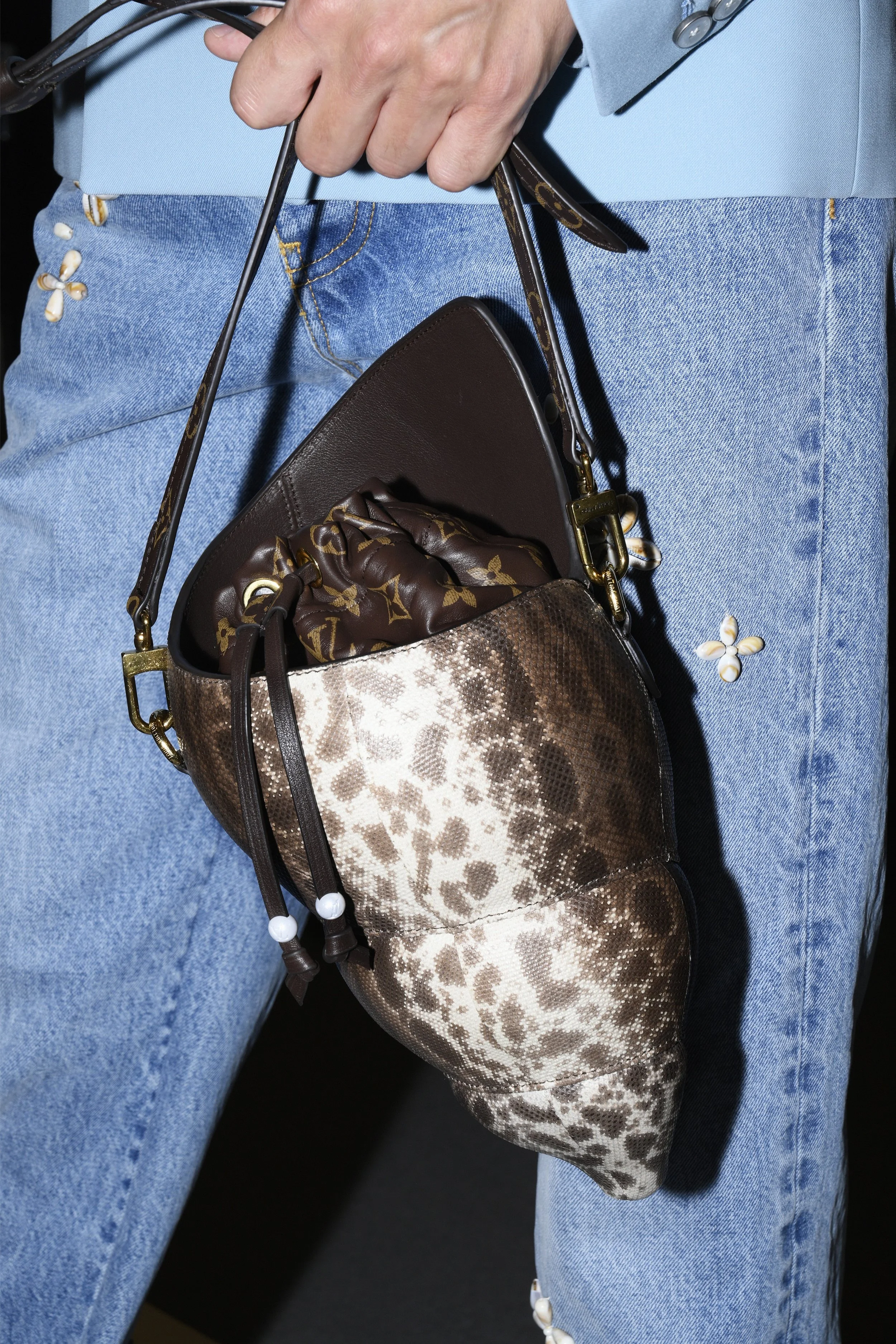
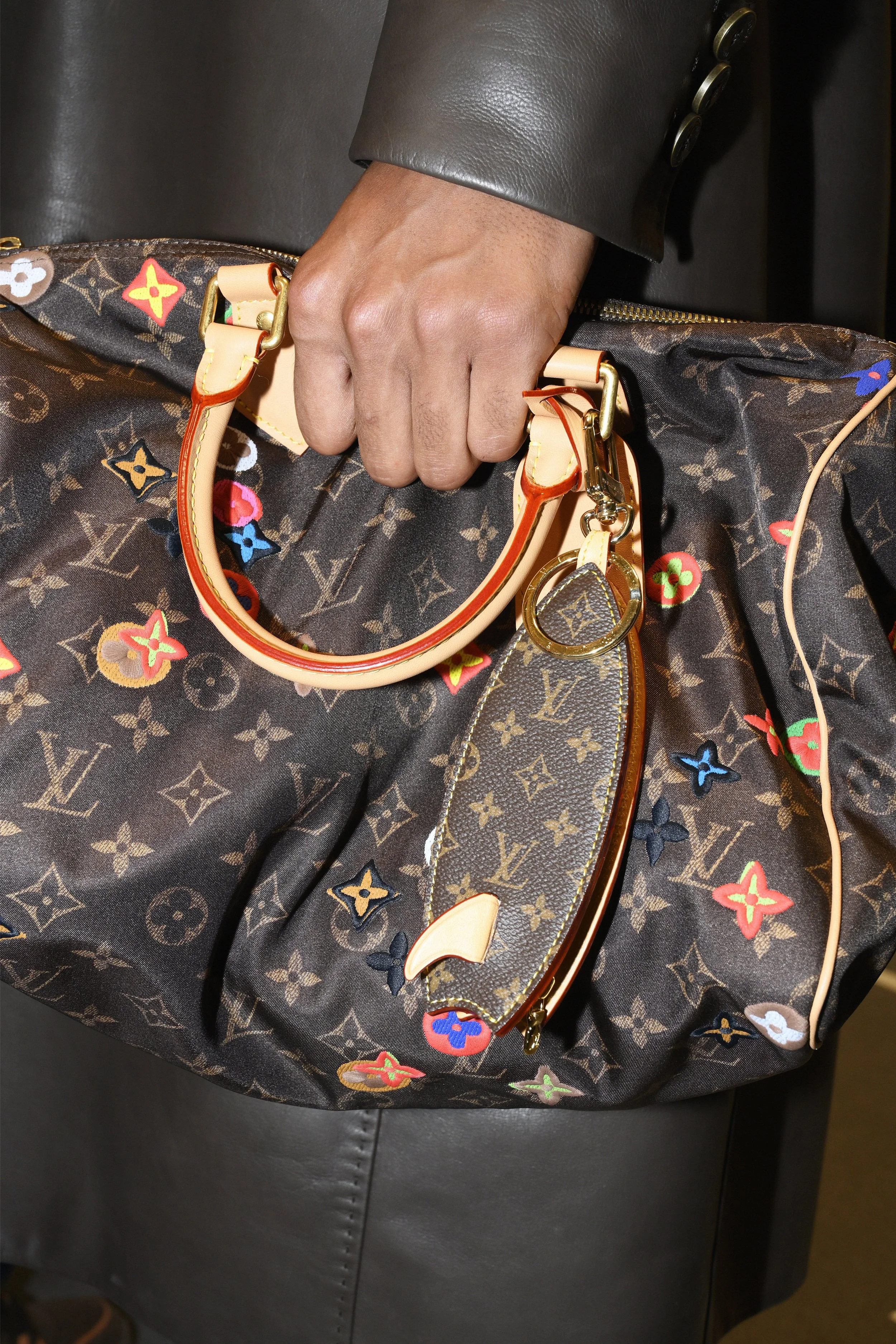
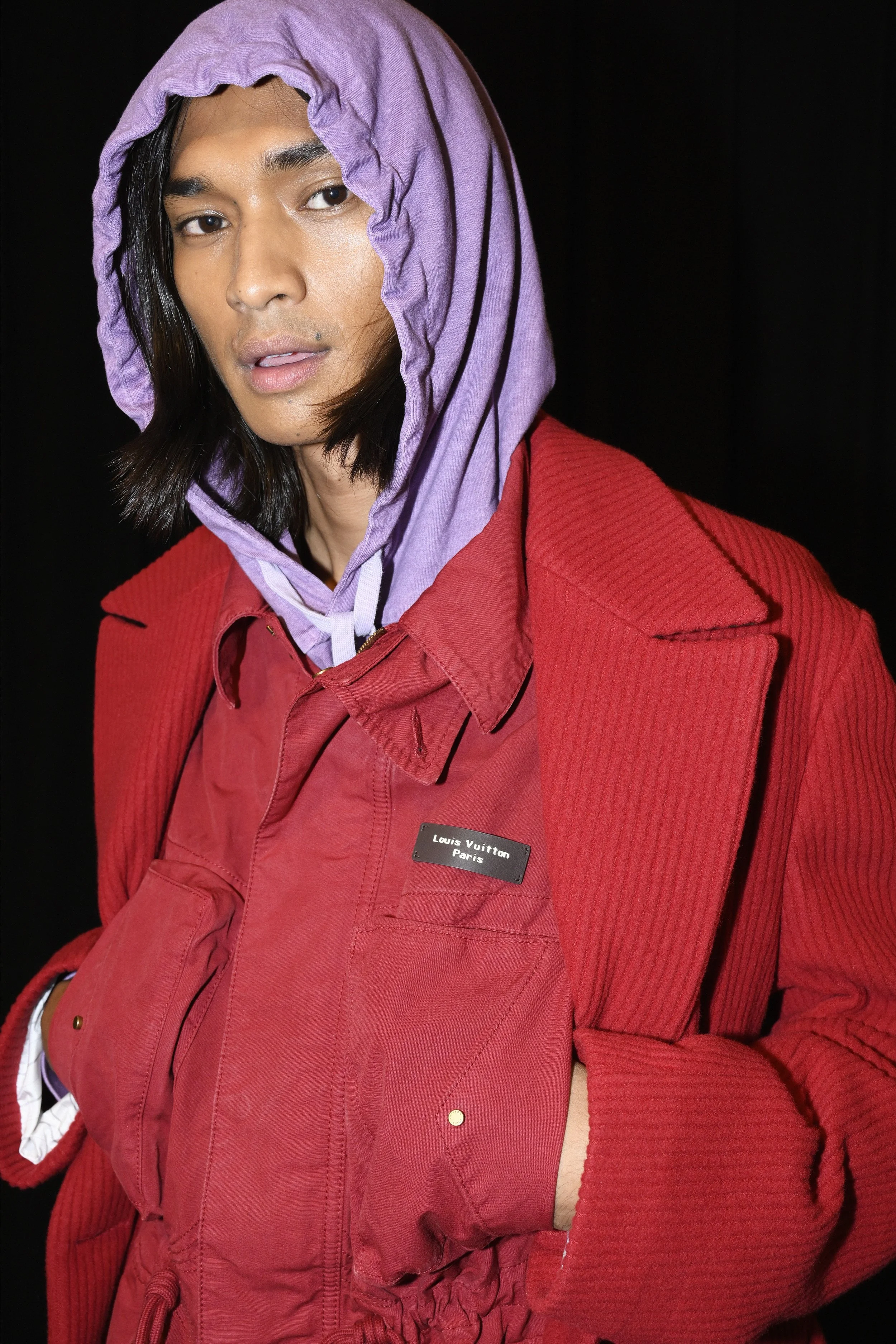
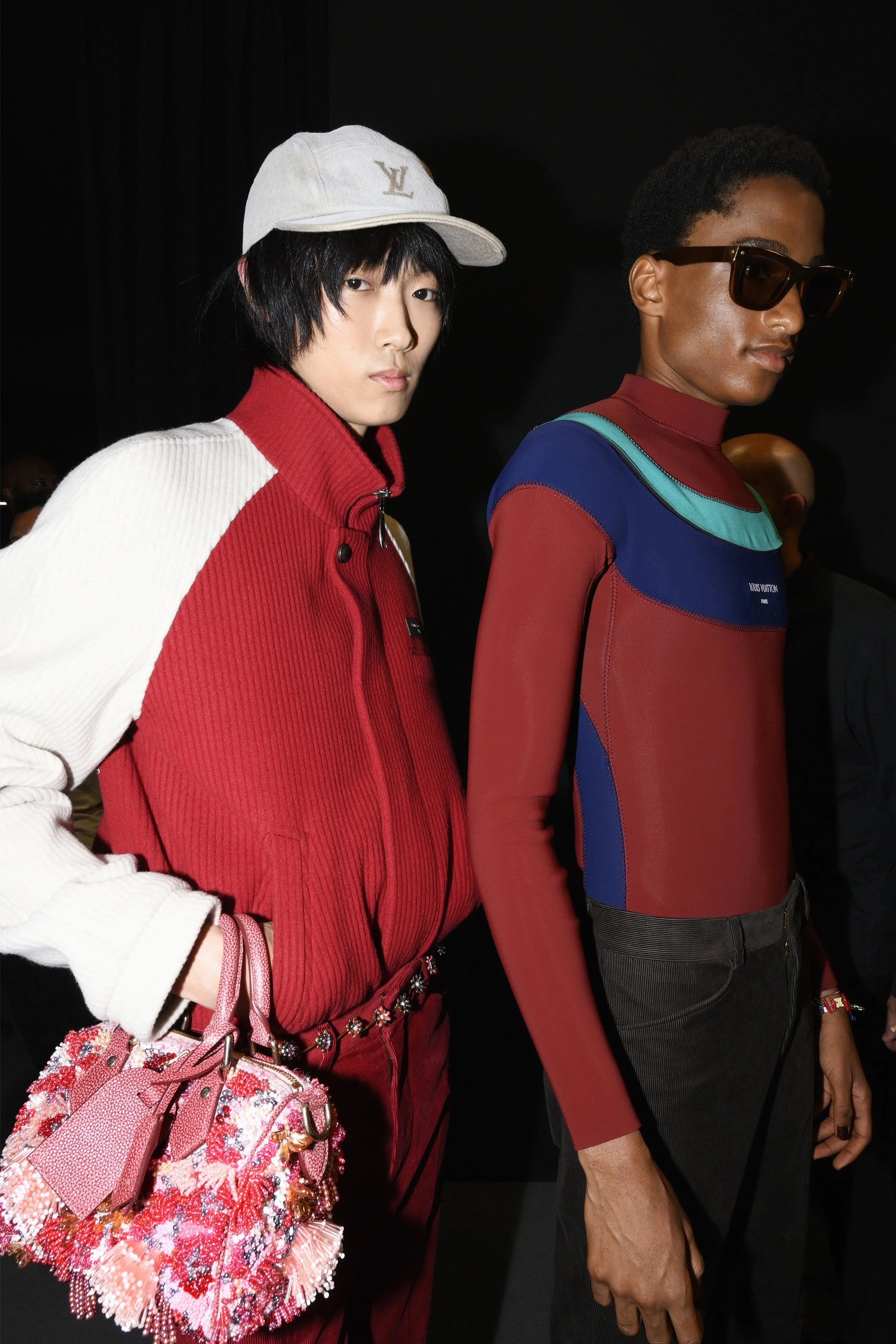
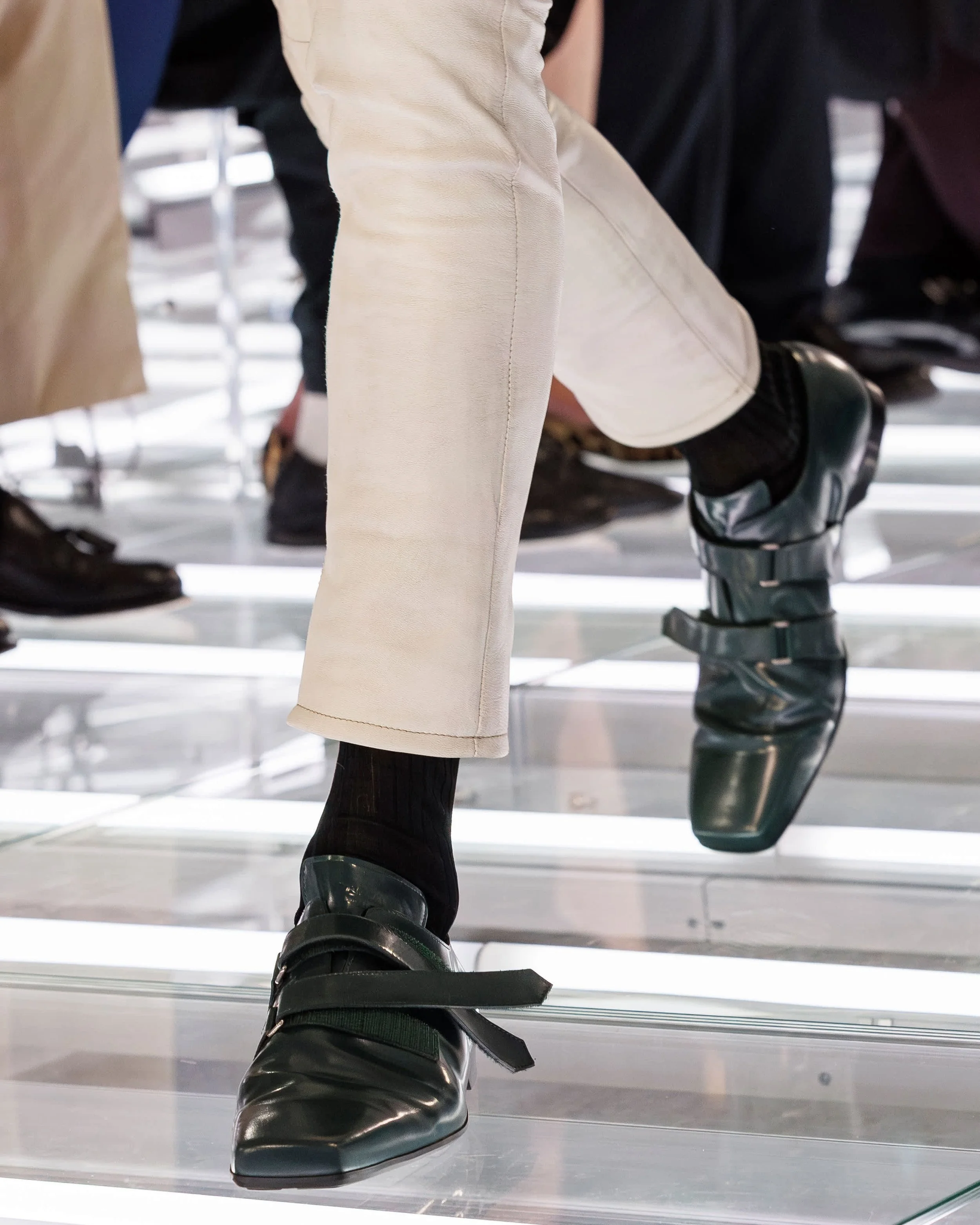
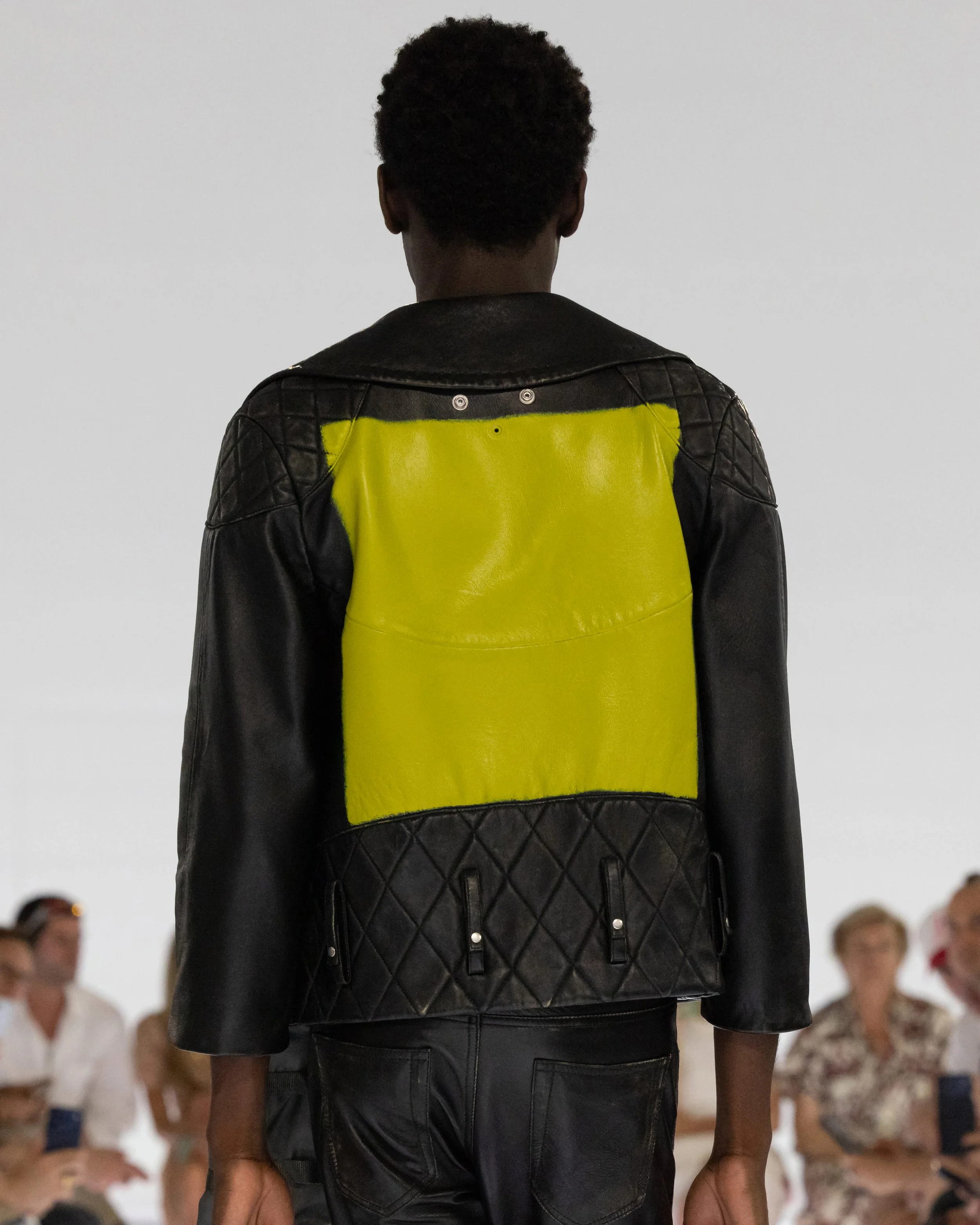
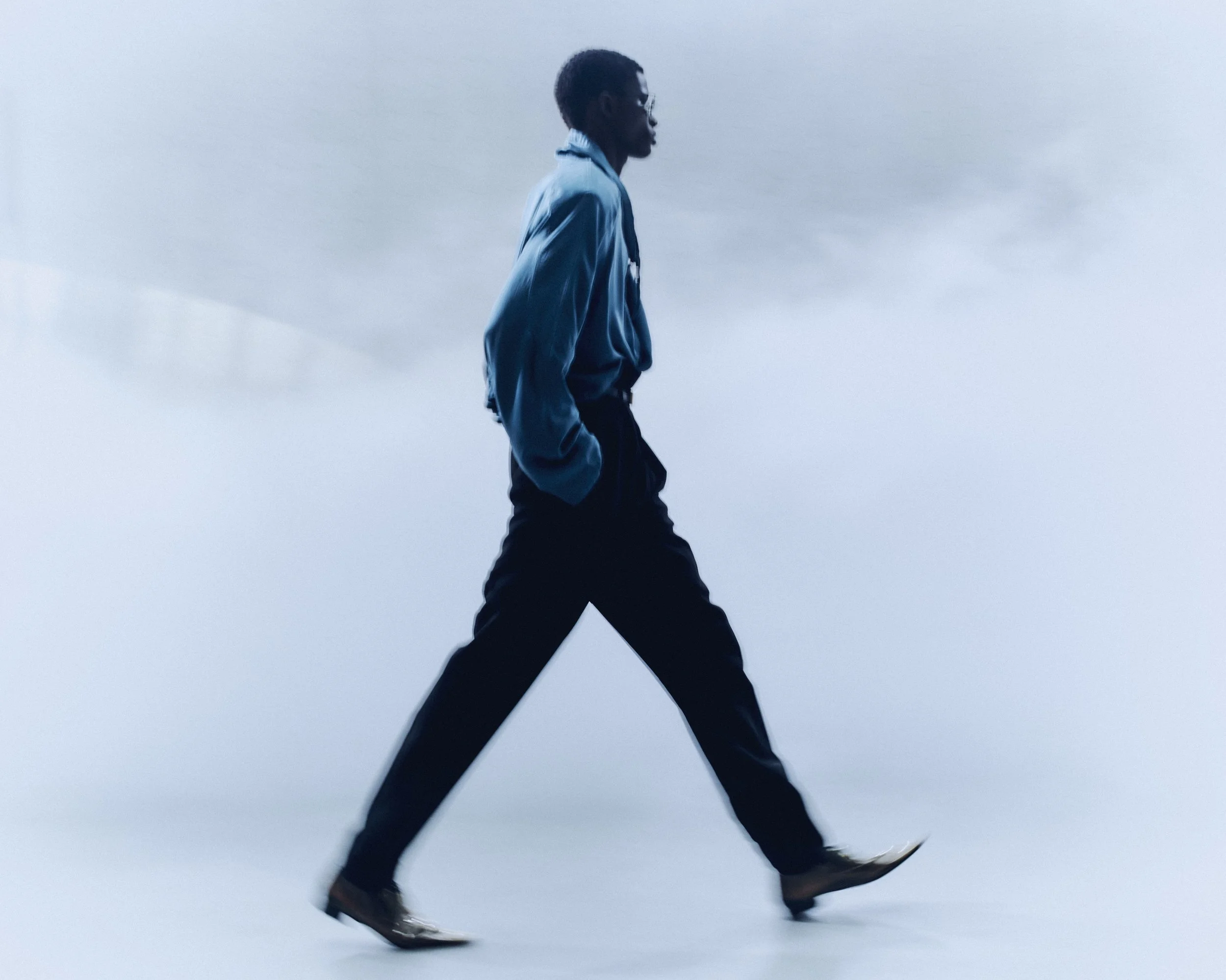
Louis Vuitton Men’s Spring-Summer 2027 by Pharrell Williams unfolds as a “Dandy Experience” shaped by the ocean as both metaphor and material reality—where the wave becomes a universal equaliser, drawing together coastlines, cultures, and ways of living. Set against a hyper-sensorial staging in Paris, the show channels surfing as a global language of movement and belonging, with water imagined as a force of life, connection, and return.

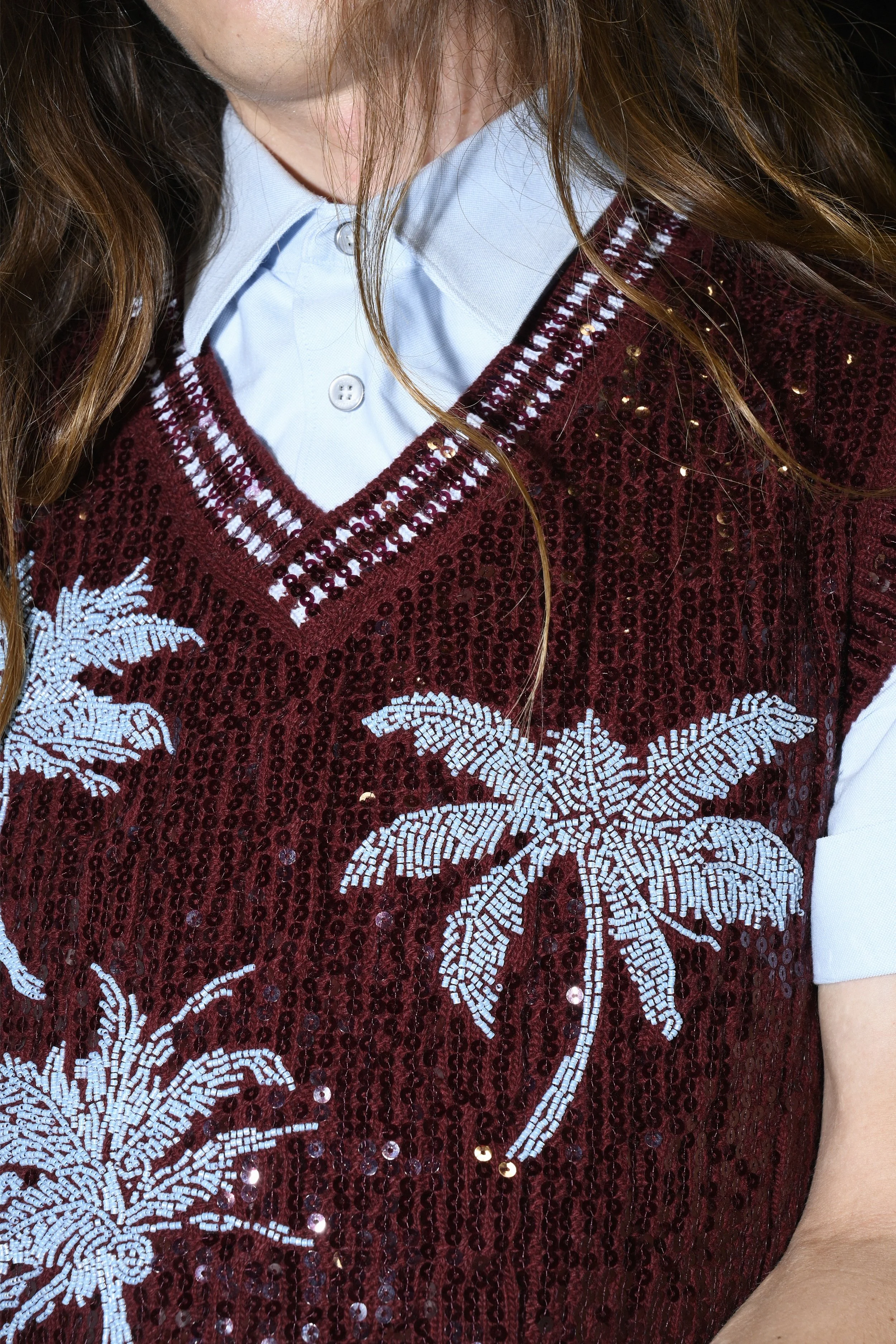
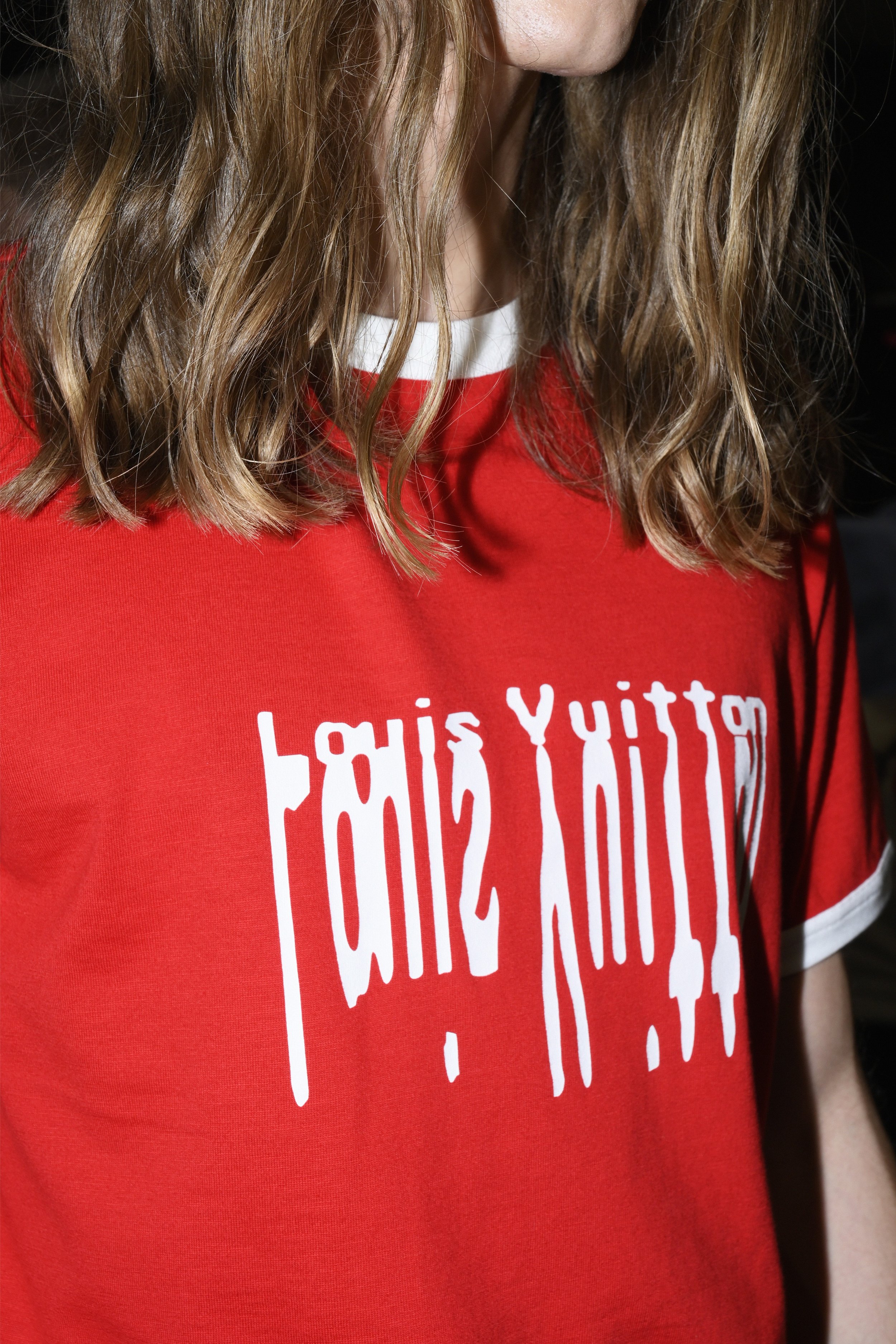
As the moon—the wavemaker—rises over the Parisian sky, the collection emerges from a monumental wave, dissolving the boundary between city and shoreline. Pharrell Williams extends his signature dandy silhouette into this coastal vocabulary, fusing unconventional elegance with the tactile codes of surf culture: hand-spun textures, weathered finishes, and bohemian ease translated through Louis Vuitton’s technical savoir-faire. Wetsuits and tailoring are placed in dialogue, while trompe l’oeil surfaces and surf-inspired graphics blur the line between illusion and touch.

Parked beside the dunes of the set, a silver camper reimagined in the House’s future-facing design language anchors the narrative—like a suspended drop within an elemental landscape, placing the nomadic dandy in direct contact with nature’s rhythm. A cinematic prelude featuring surfers Mikey February and Julian Wilson sets the tone, as the sound of crashing water merges with an original score recorded in Pharrell’s Louis Vuitton studio.

Extending beyond the runway, the collection connects to Louis Vuitton’s Regeneration 2030 initiative in partnership with Coral Gardeners, supporting reef restoration in French Polynesia—out-planting 1,000 corals and restoring 250 square metres of reef habitat at the Tiaia site in 2026. In this context, the show frames the ocean not only as aesthetic inspiration, but as a living system to be preserved and regenerated.

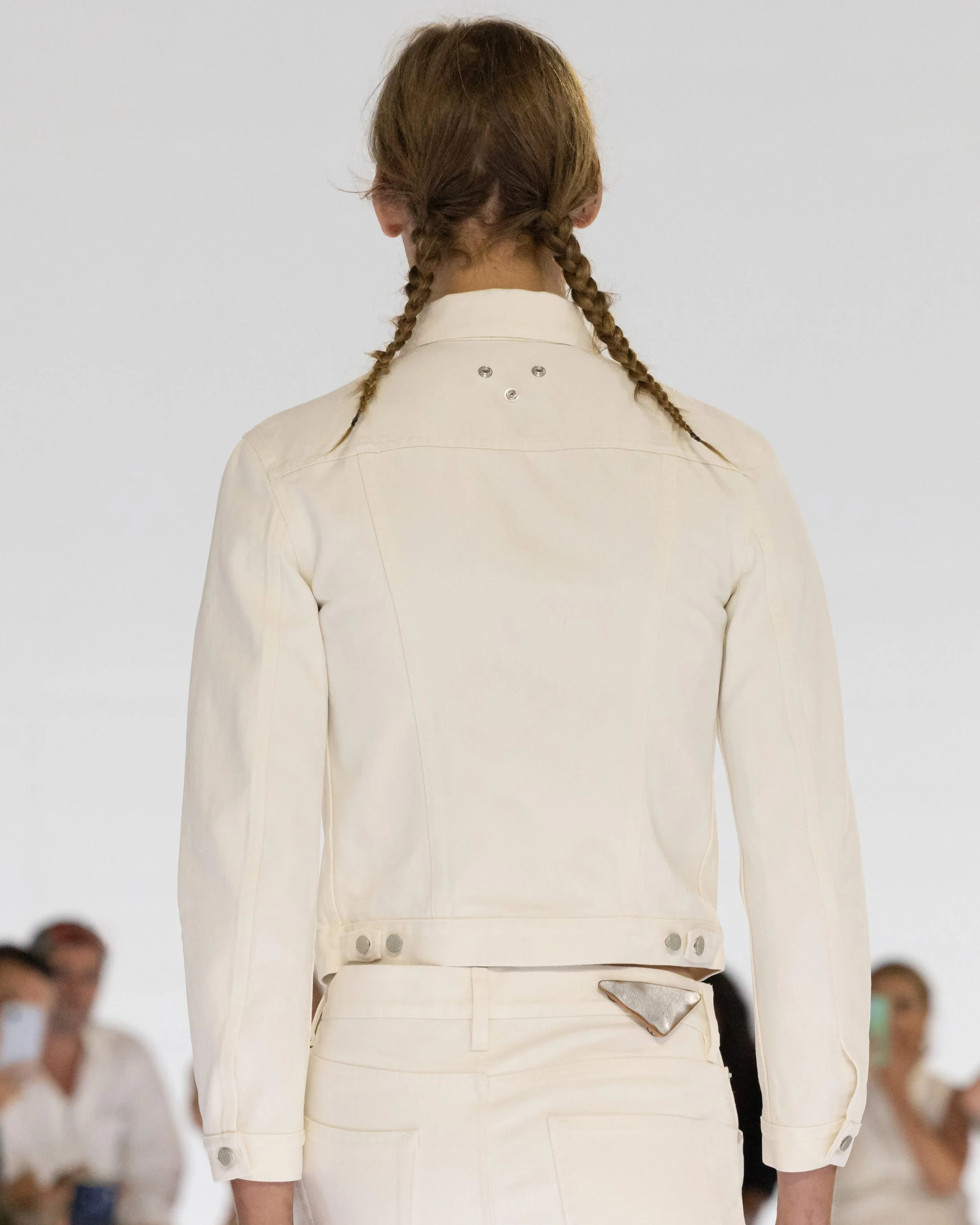
Details: Prada Spring/Summer 2027 Menswear Show Inside The Deposito at Fondazione Prada, Milan

Precision, concentration, the reactive act—Miuccia Prada and Raf Simons approach Spring/Summer 2027 menswear through the idea of choice: what is kept, what is removed, and what becomes clearer in the process. It is not about reduction, but distillation—bringing clothes back to what feels fundamental and exact. Everyday garments like jeans, denim jackets, and T-shirts are re-examined and refined, not reinvented, but re-seen. Familiar things, adjusted just enough to shift their meaning. The silhouette is controlled and linear, consistent throughout, with accessories absorbed into the system rather than sitting on top of it. Everything is tightened into a quiet logic where function and form are almost indistinguishable. What emerges is a kind of clarity built from restraint. Not absence, but focus. A way of looking at the same things with a different level of attention.

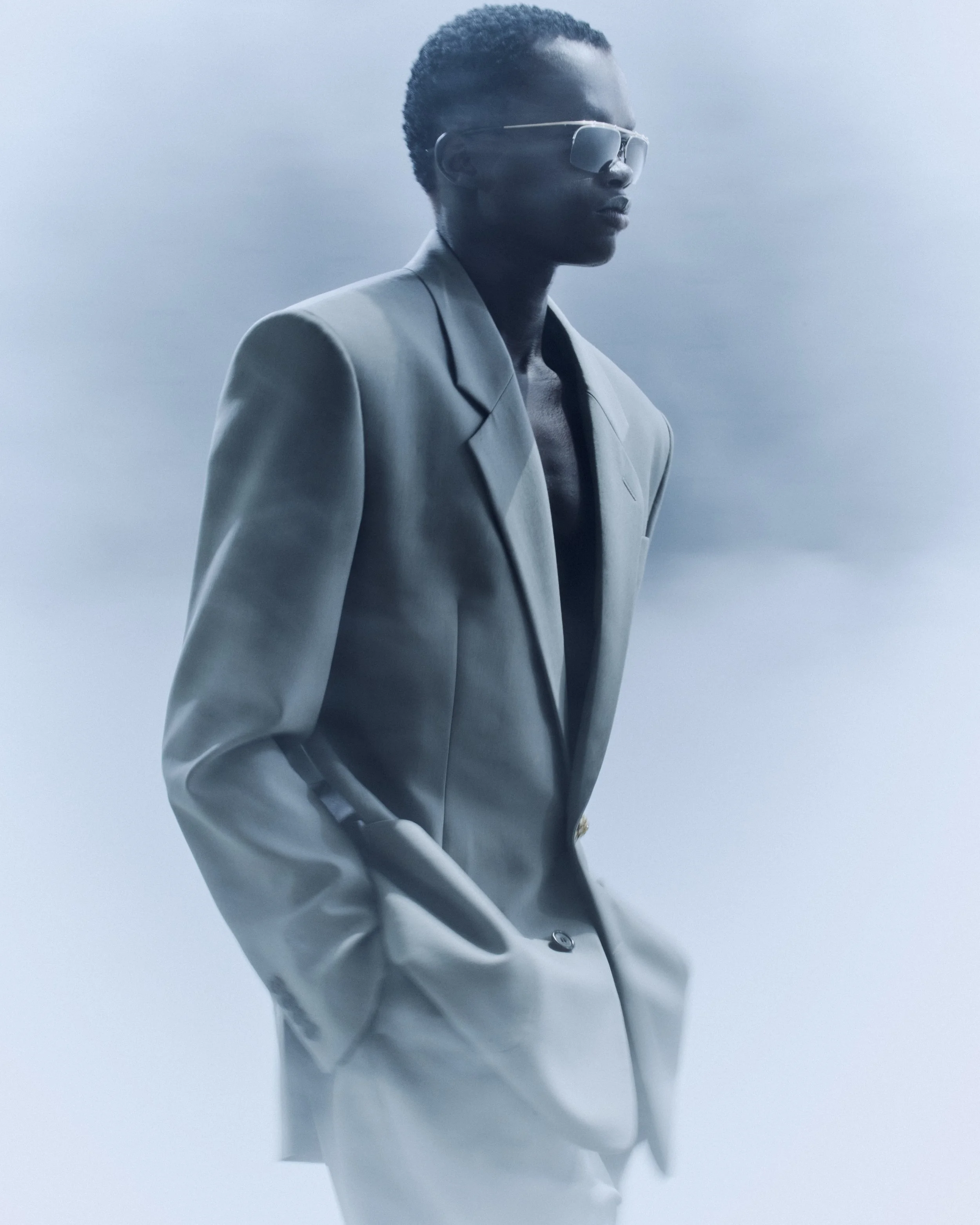
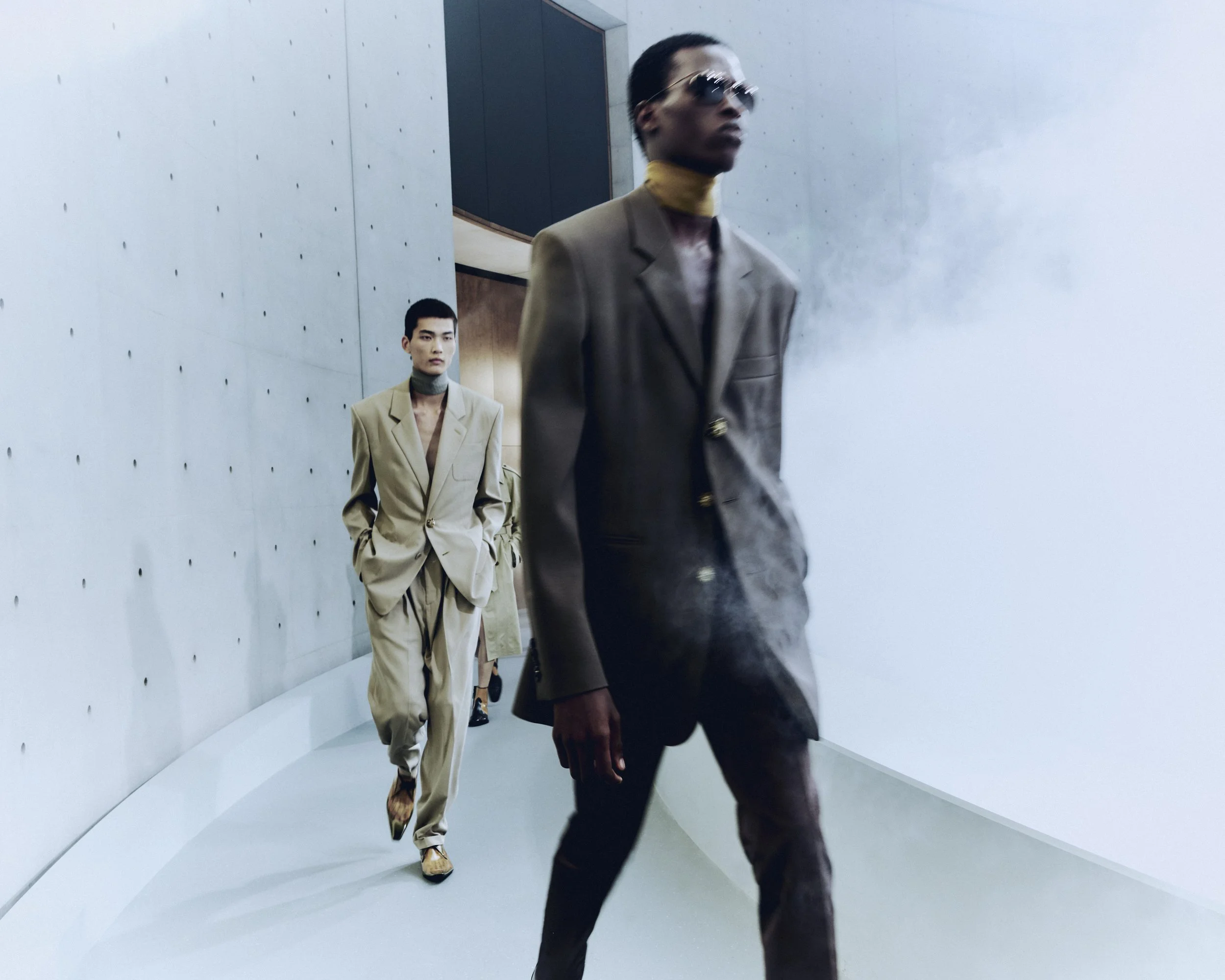
Saint Laurent Men's Summer 27 by Anthony Vaccarello Presentation At Bourse de Commerce

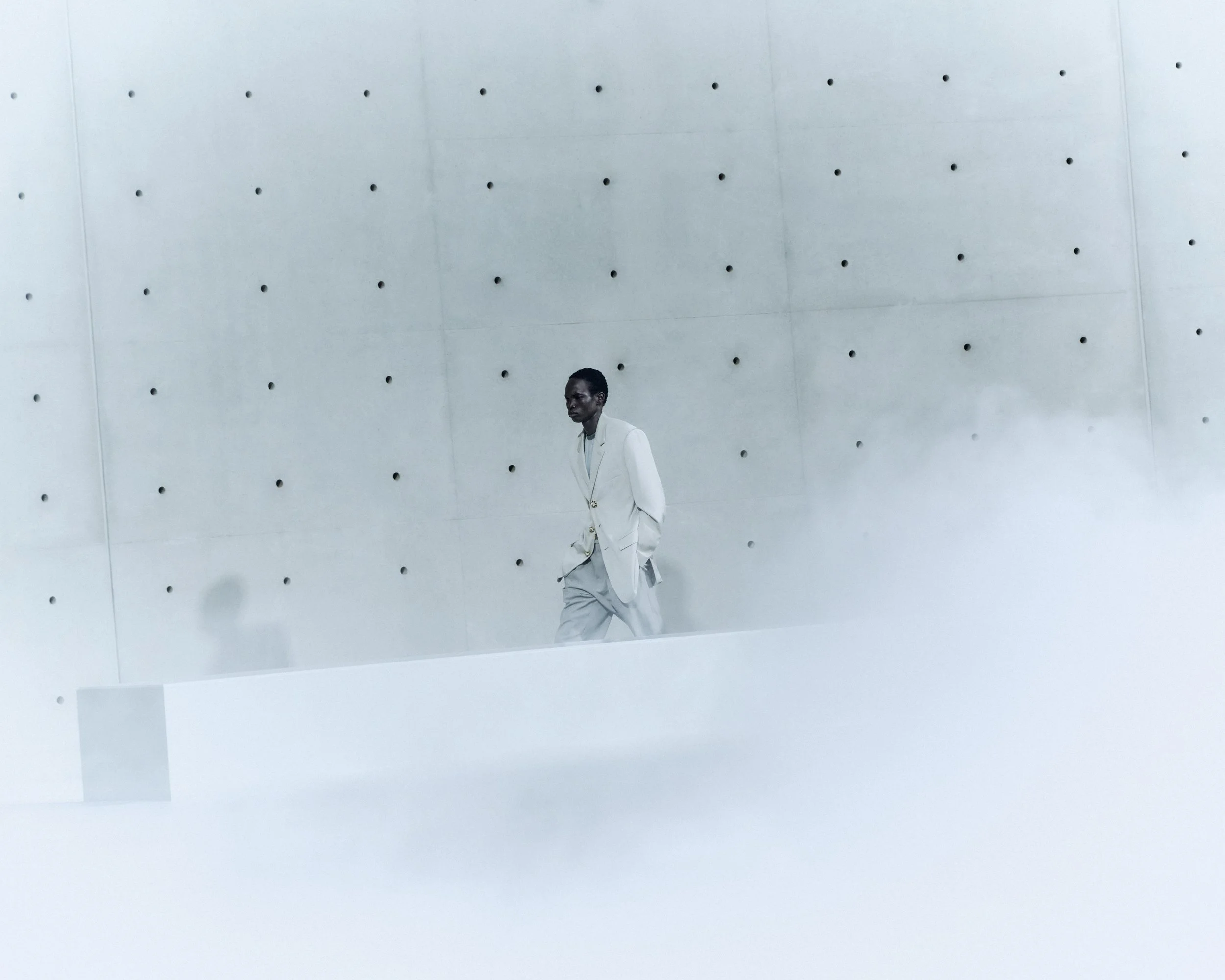
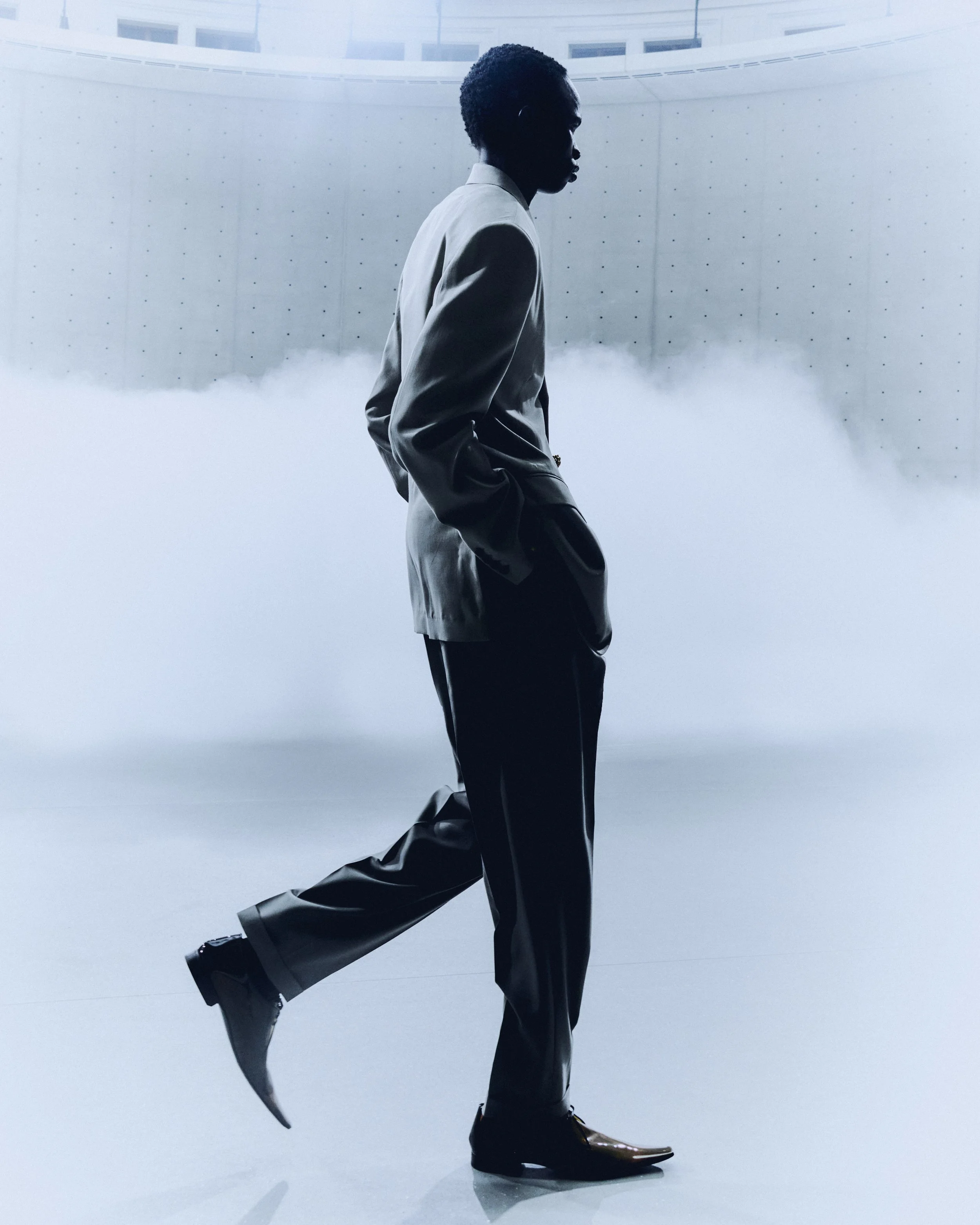
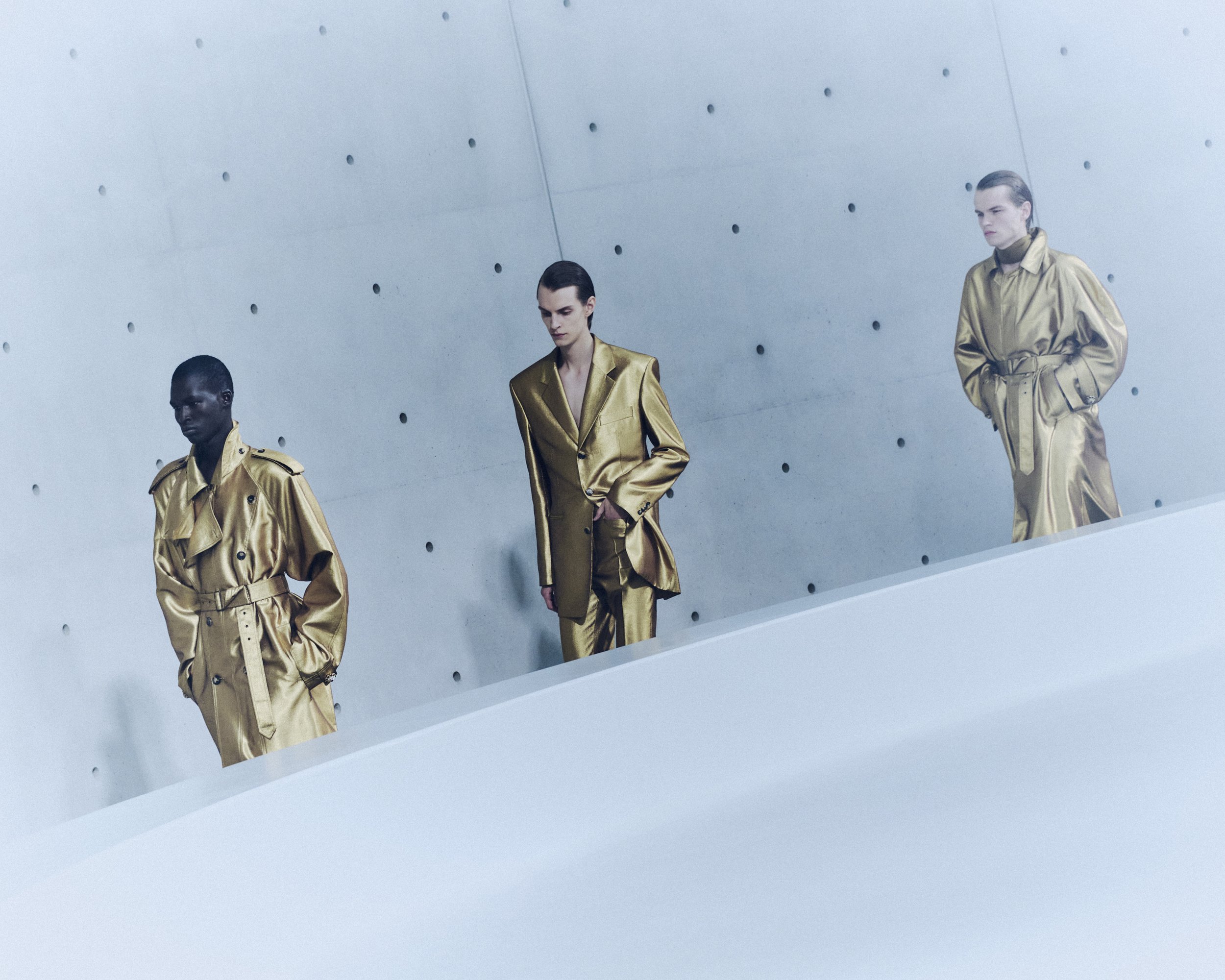
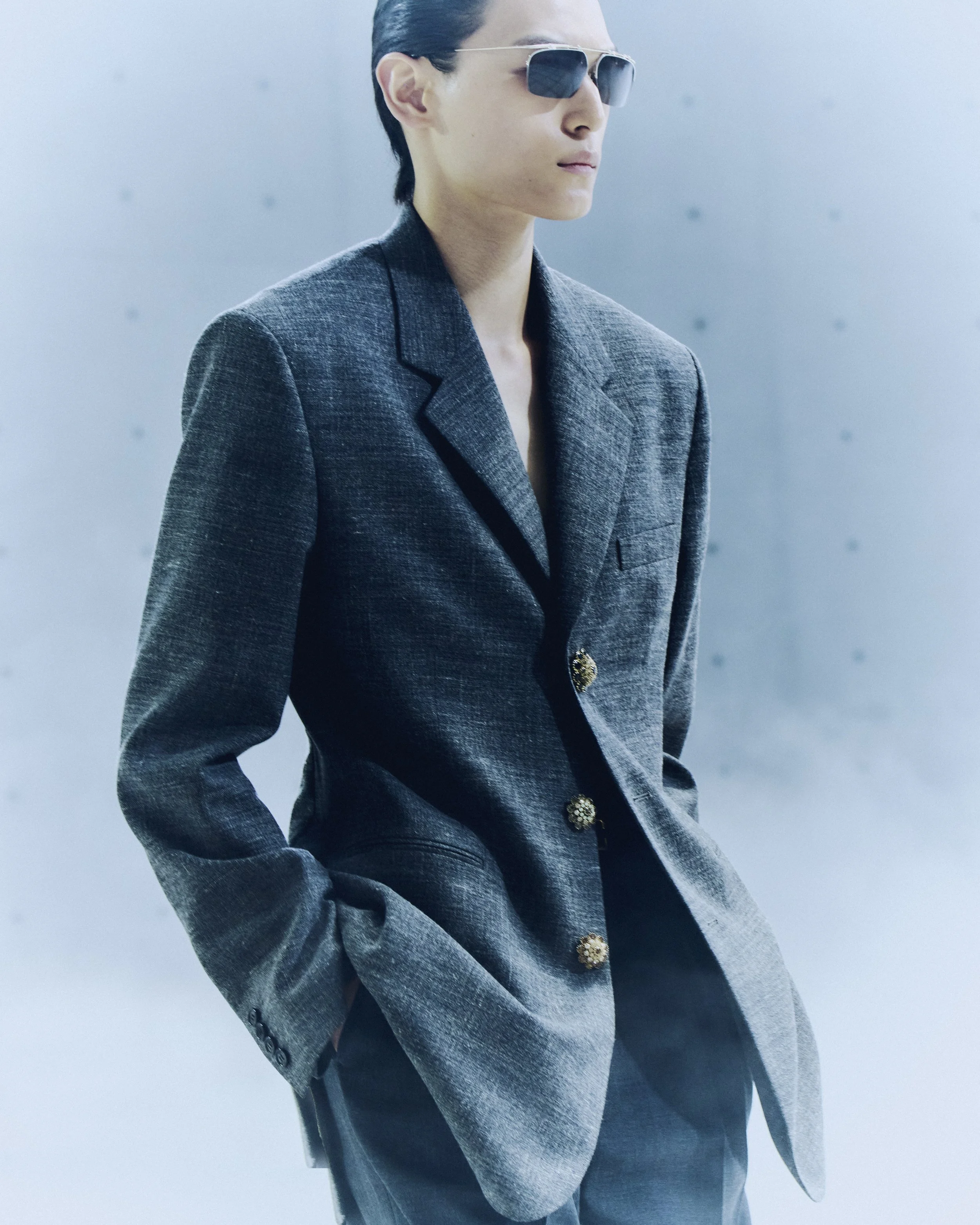
Saint Laurent’s Summer 2027 Men’s collection by Anthony Vaccarello unfolds inside the Bourse de Commerce — Pinault Collection, where architecture, atmosphere, and absence become inseparable from the clothes themselves. The circular structure—designed by Tadao Ando Architect & Associates, Niney et Marca Architectes, and Agence Pierre-Antoine Gatier—grounds the presentation in a language of restraint: concrete, proportion, and light forming a silent, continuous frame for what is revealed within it.

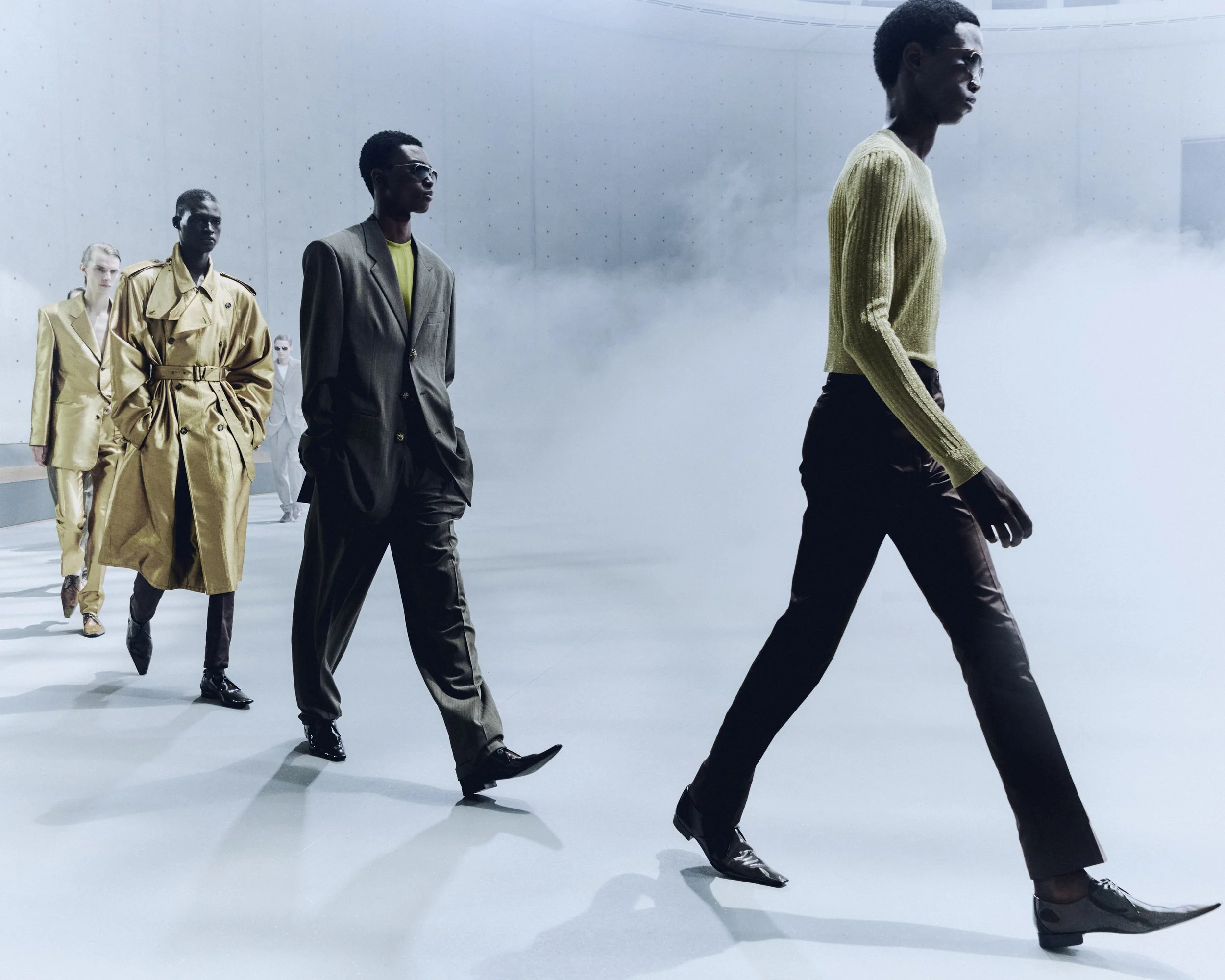
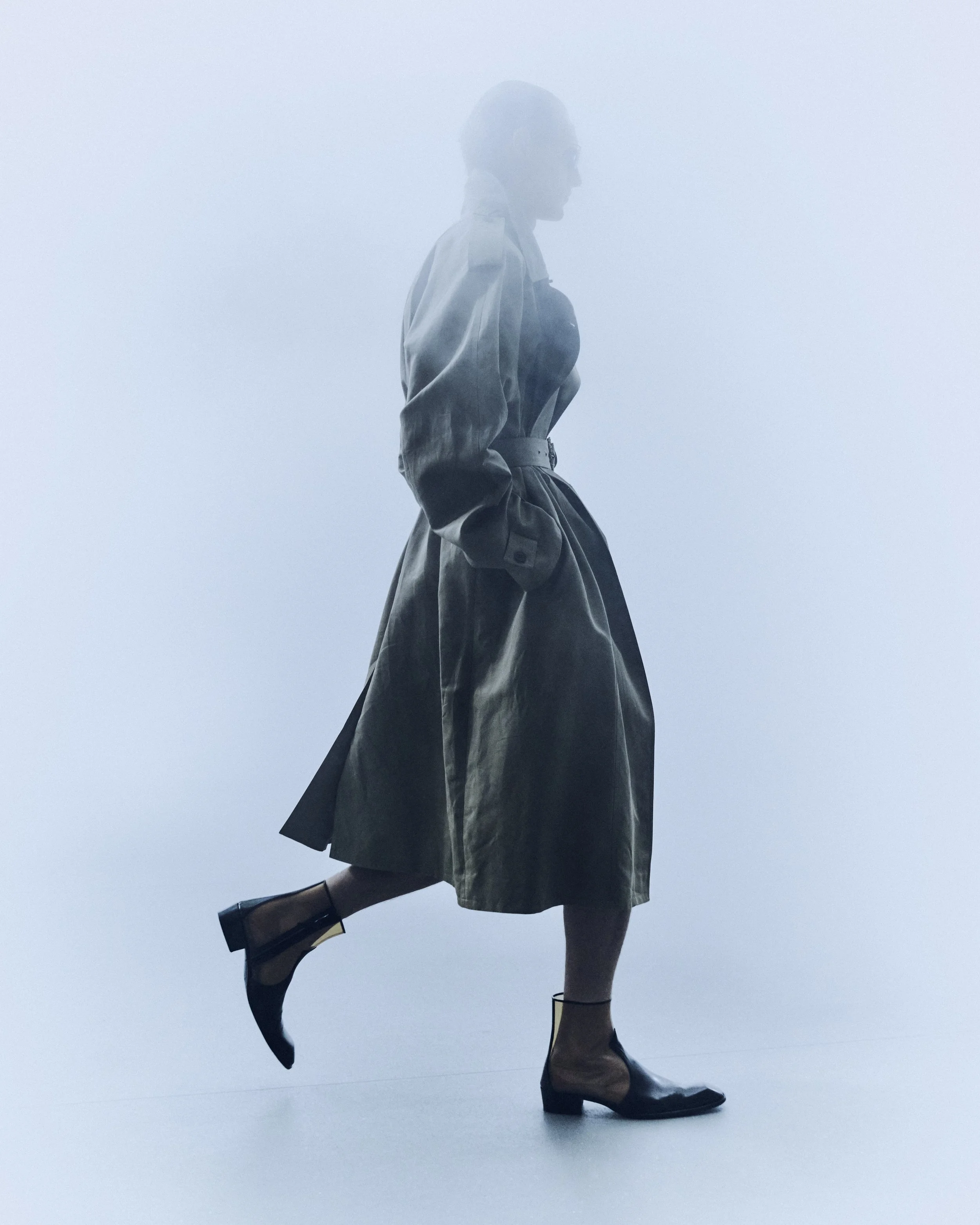
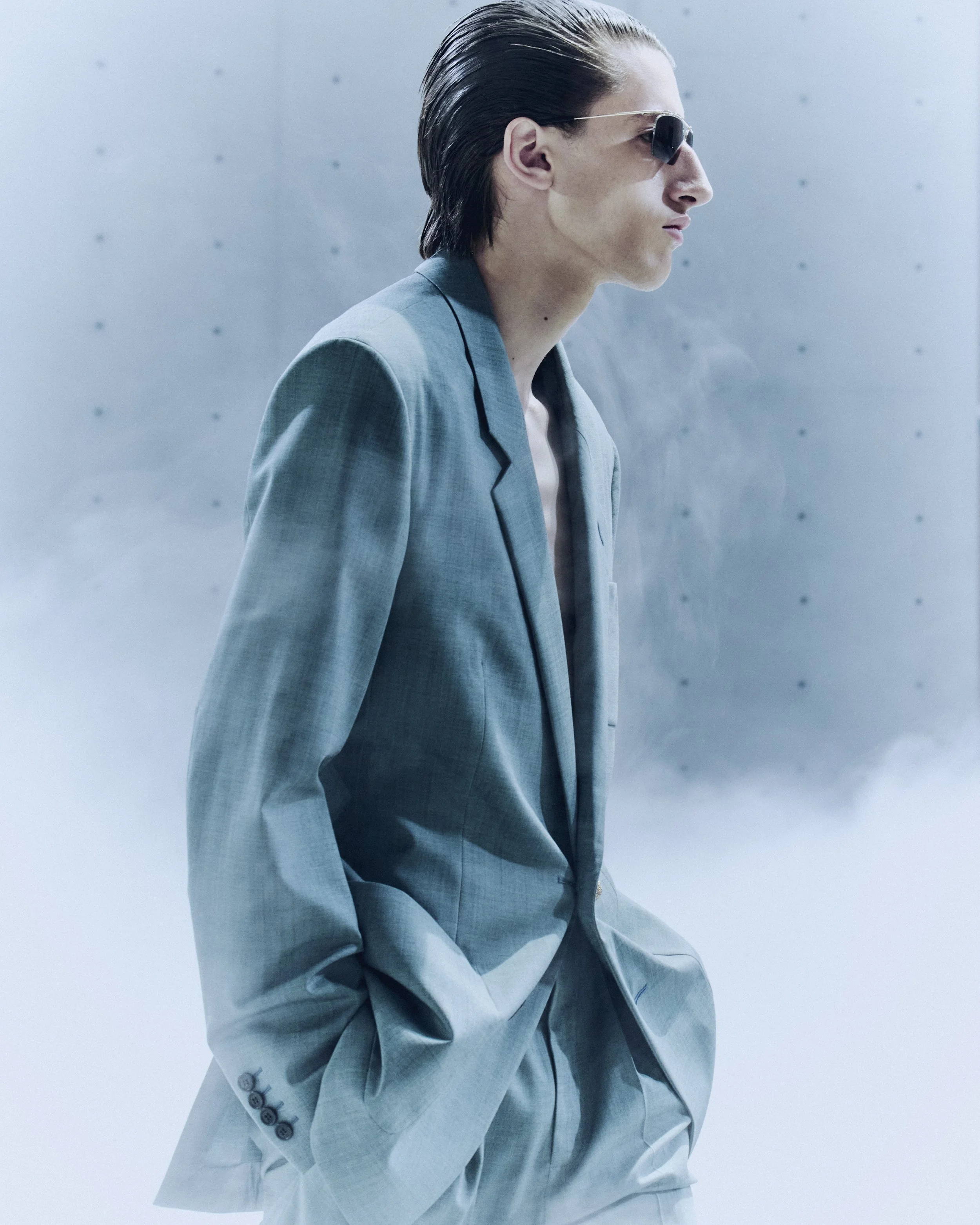
At the center of the experience is Fujiko Nakaya’s Cloud #07156 (2026), an immersive fog installation that transforms the rotunda into a shifting field of visibility and disappearance. As mist fills the space, the building ceases to function as a static container and instead becomes a breathing environment—one in which bodies and garments appear, dissolve, and re-emerge like fragments of thought.

Vaccarello’s collection is anchored in a provocation: “Nobody is trying to seduce you. What makes them seductive is that they do not need to.” From this premise, the show considers desire not as accumulation but as withdrawal—what happens when drama, noise, and excess are withheld rather than amplified. Across 40 looks, restraint becomes its own form of intensity.

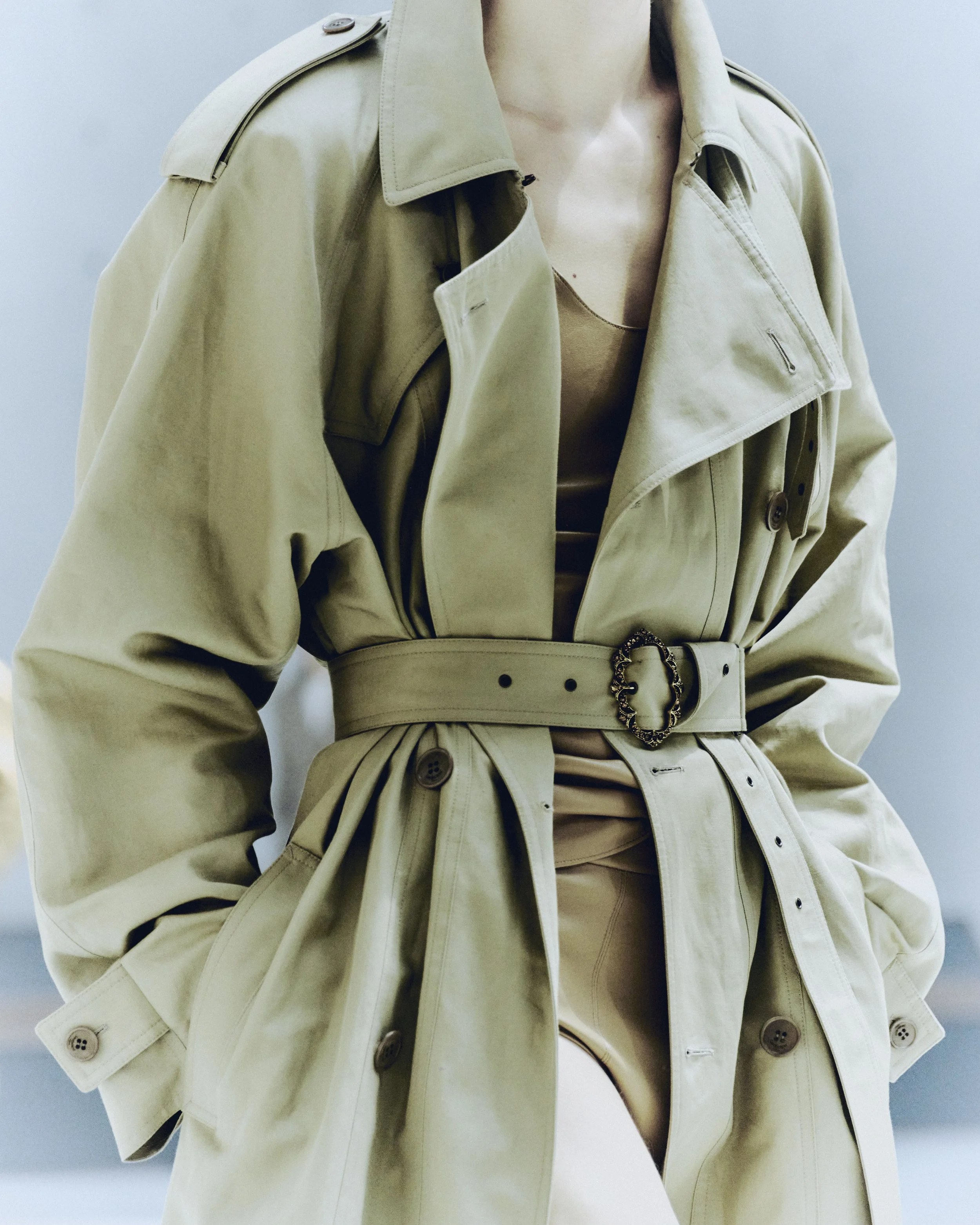
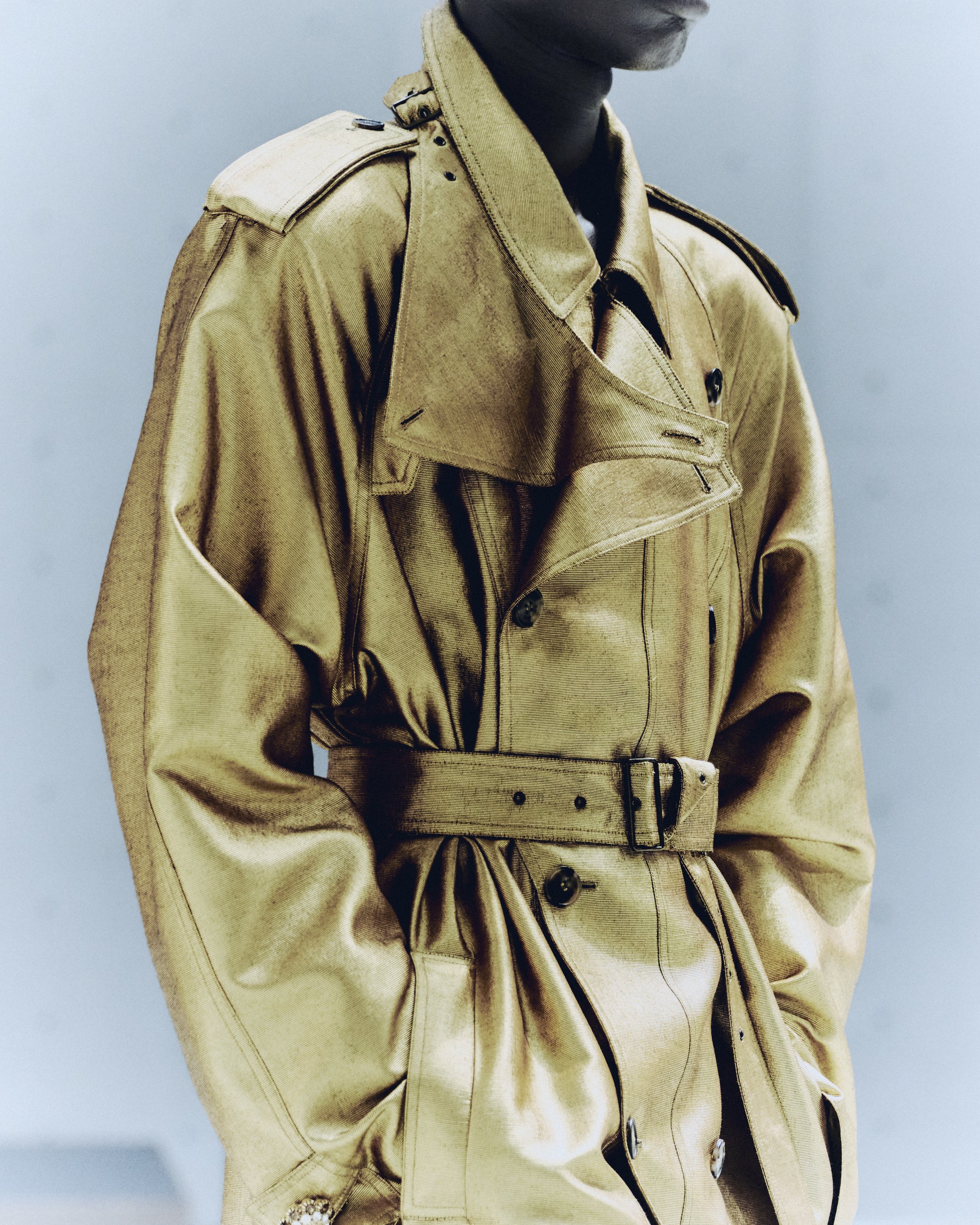
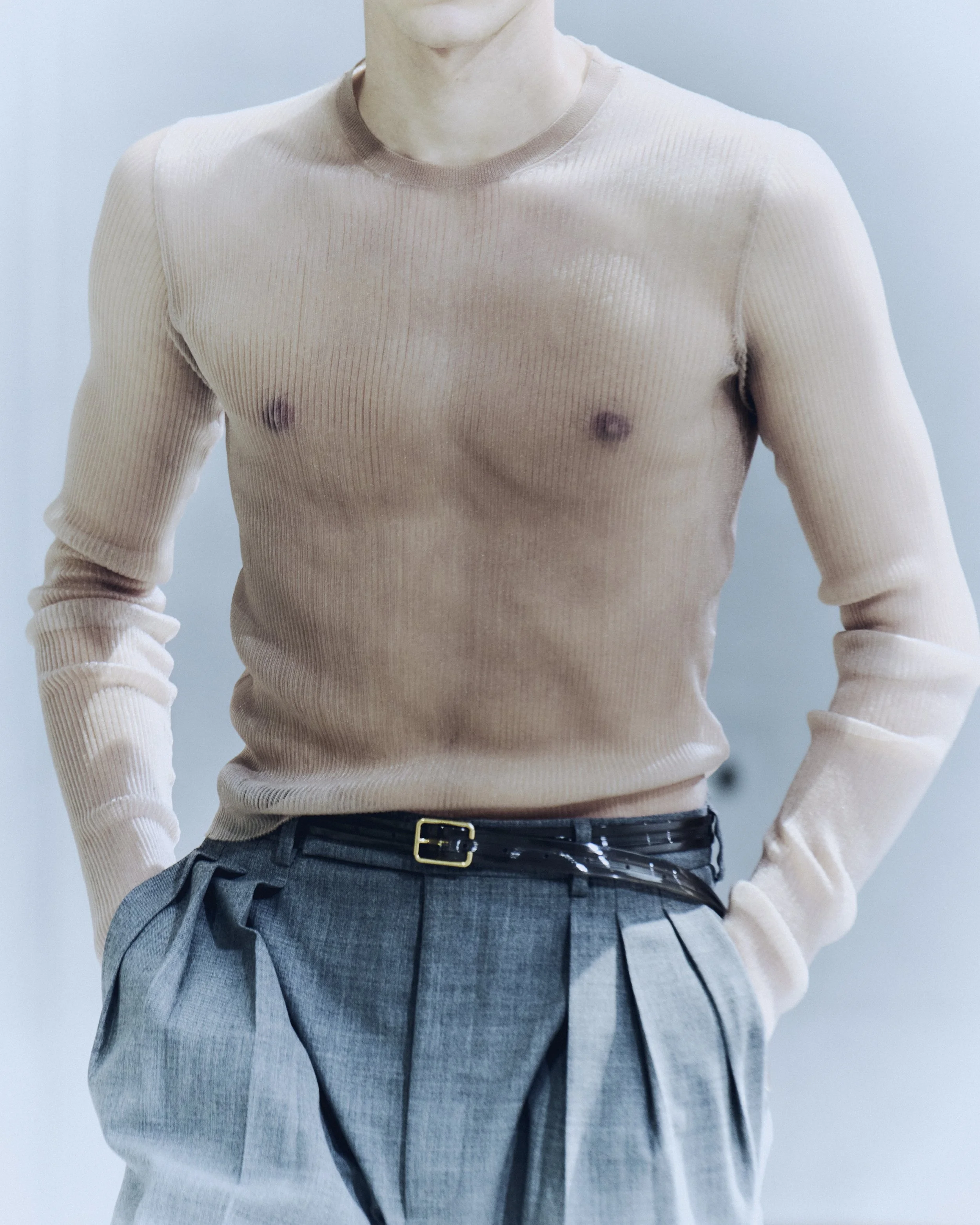
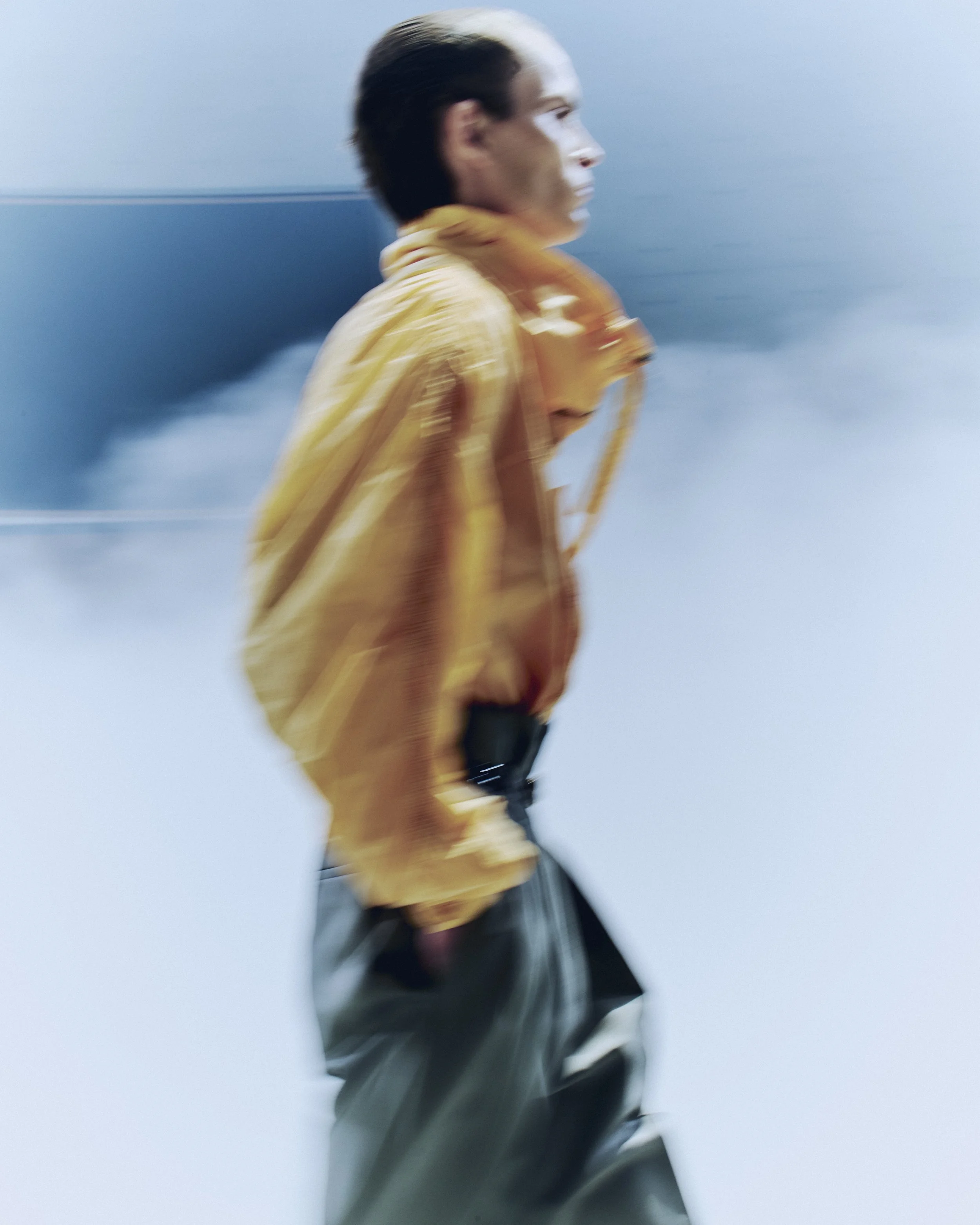
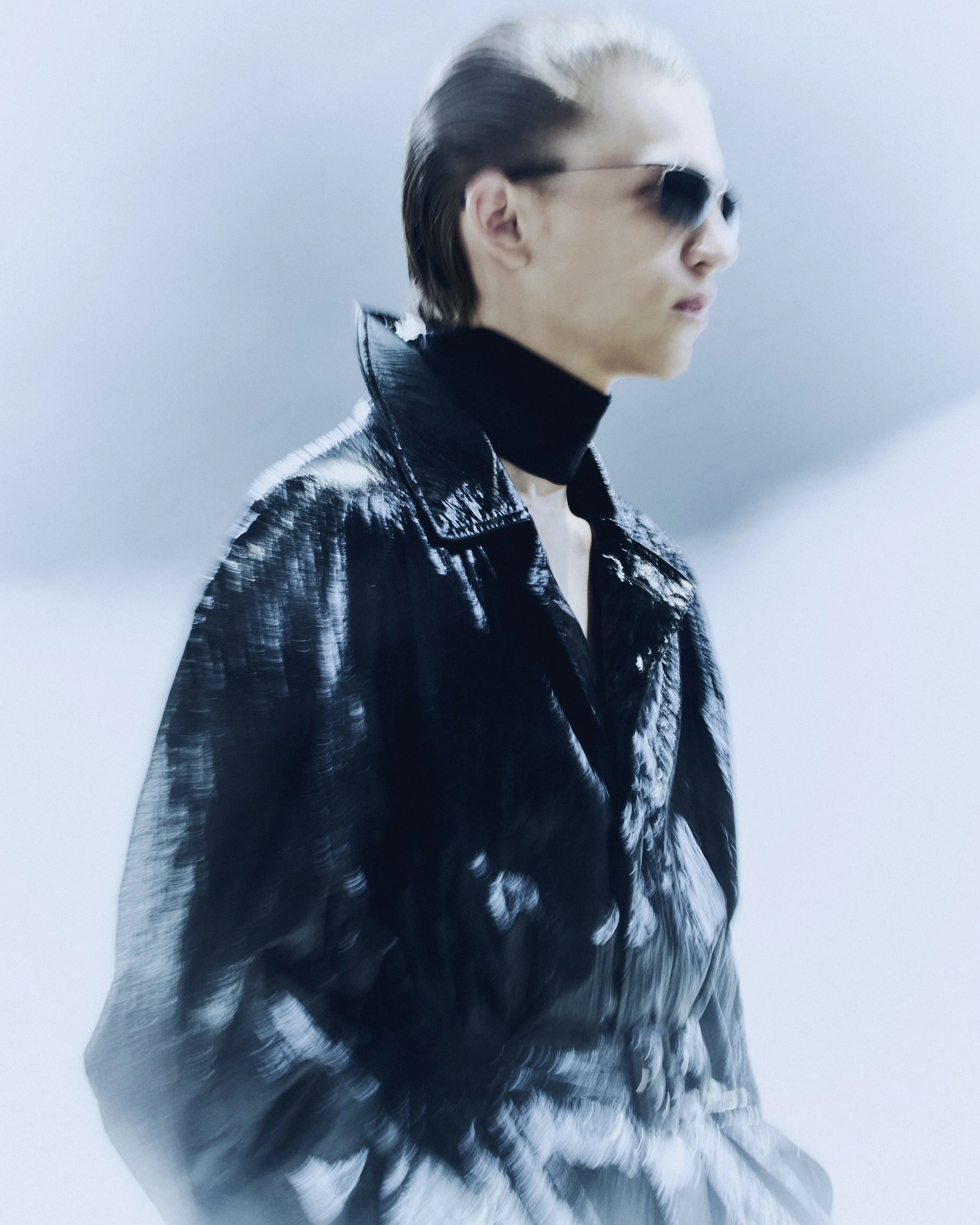
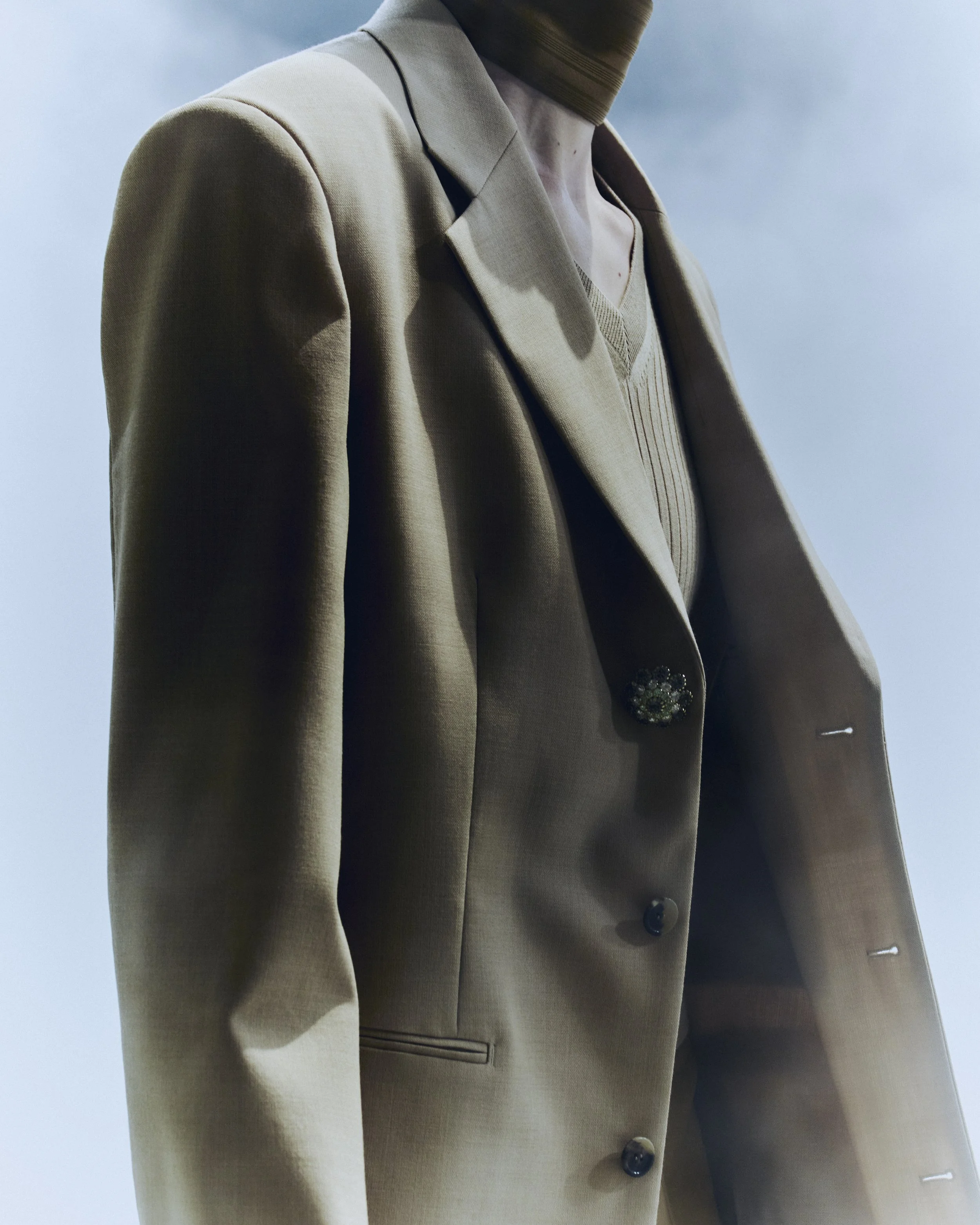
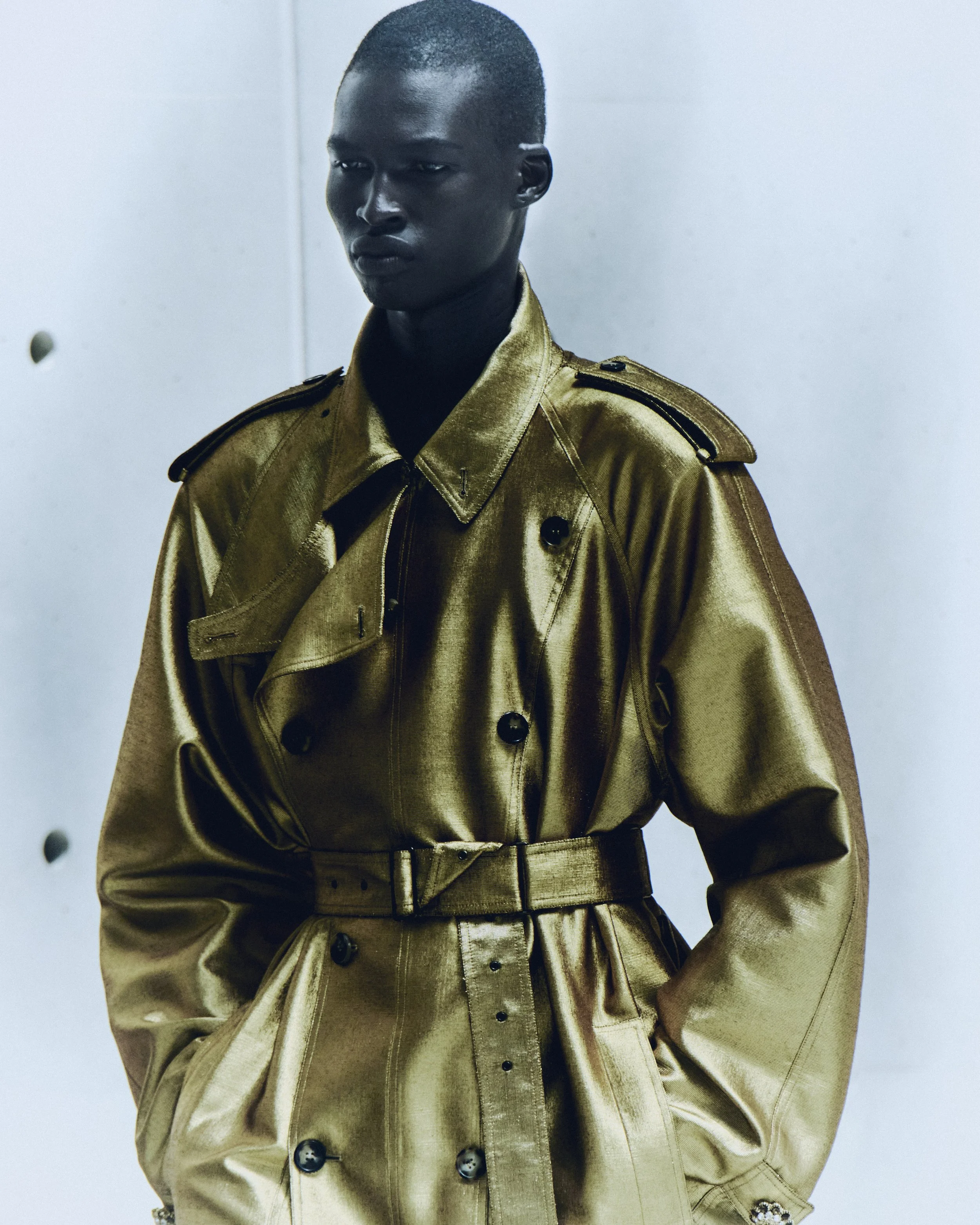
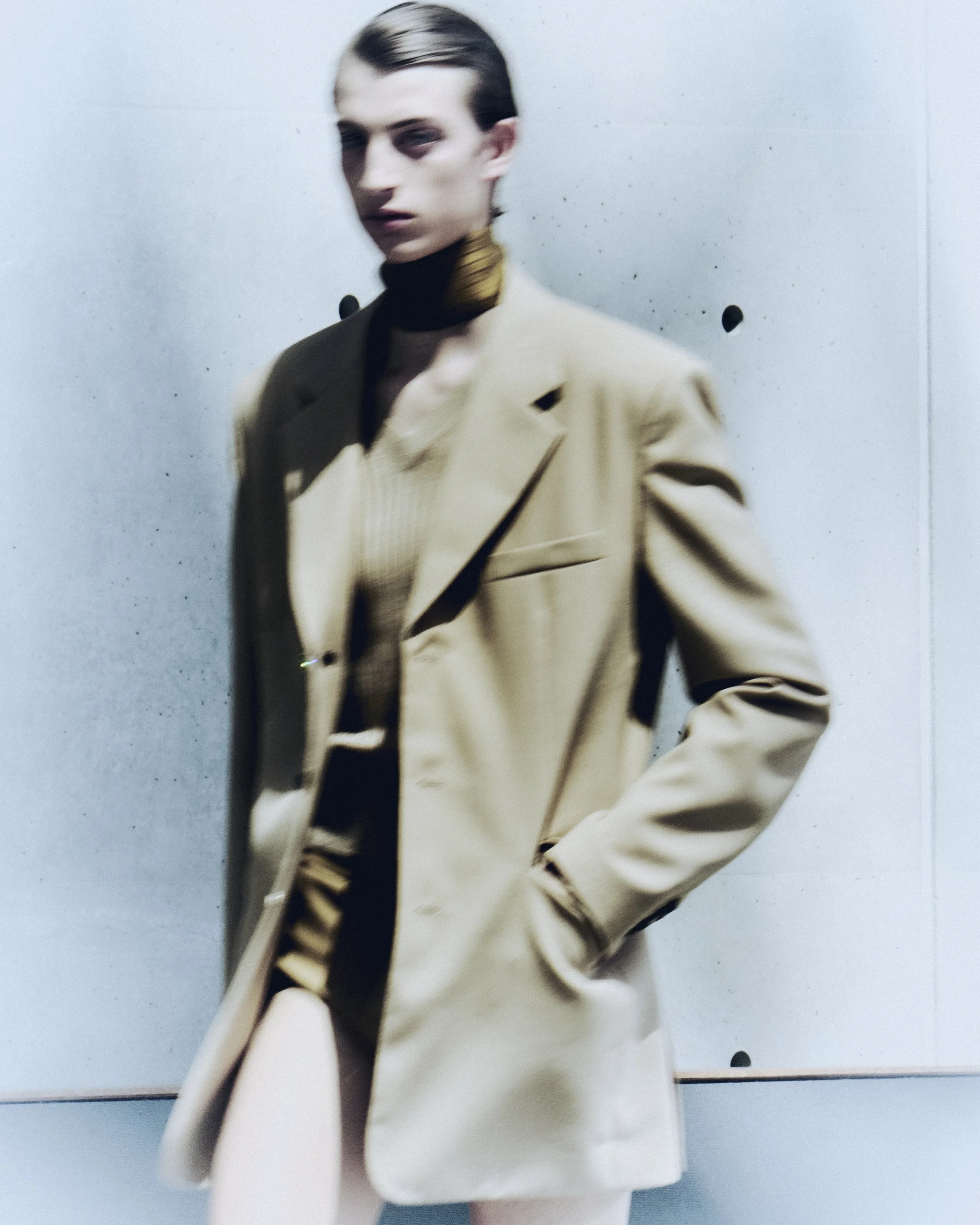
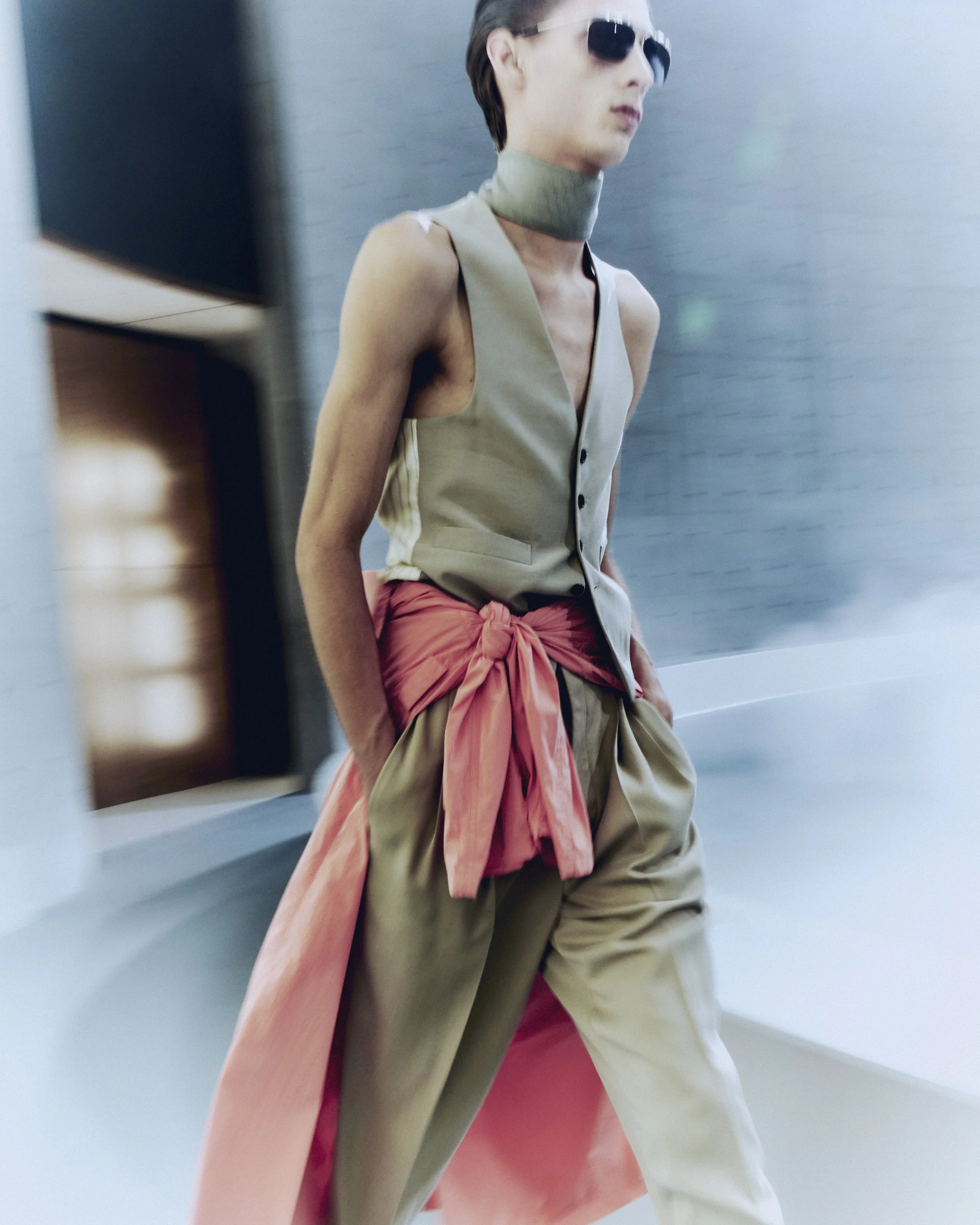
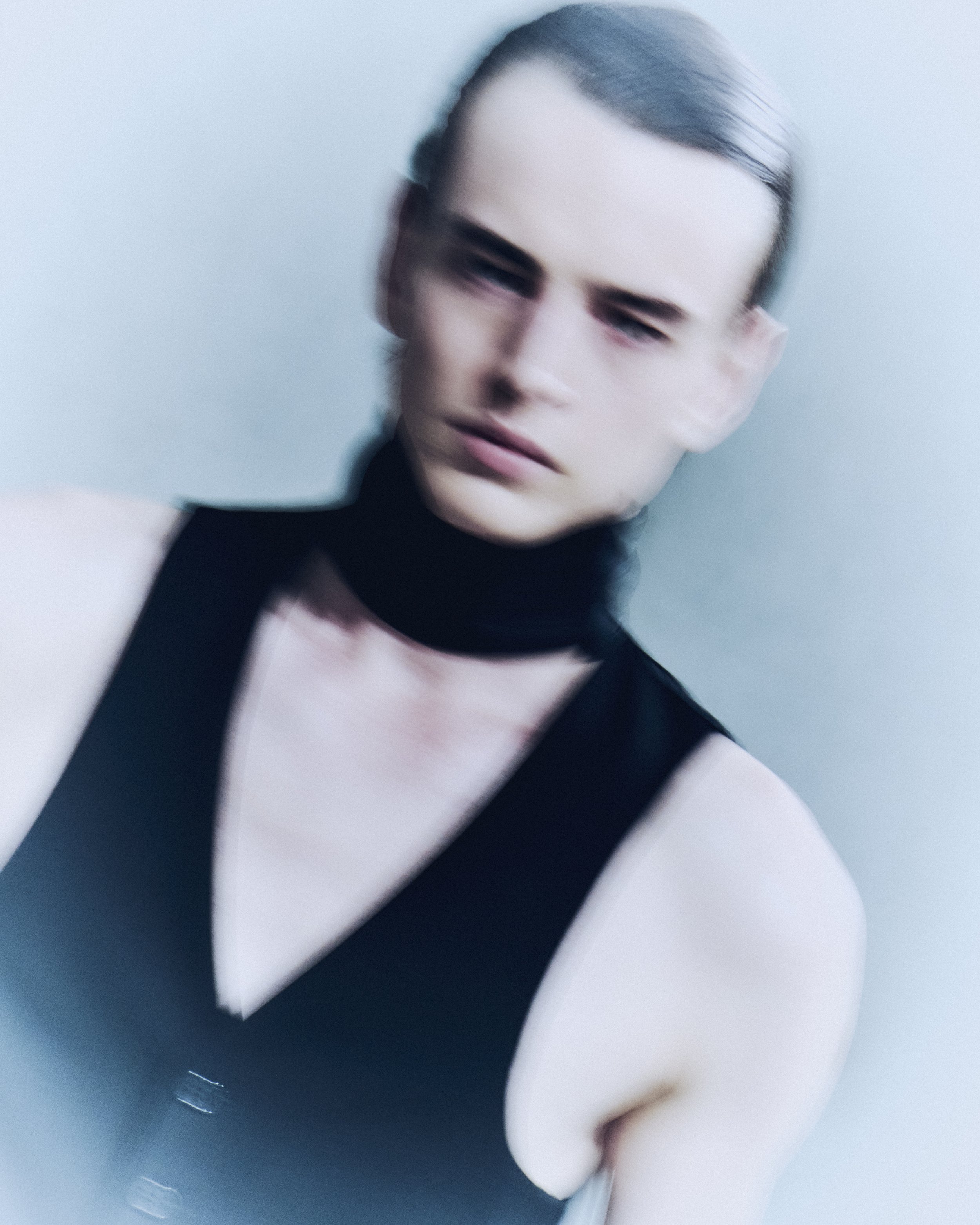
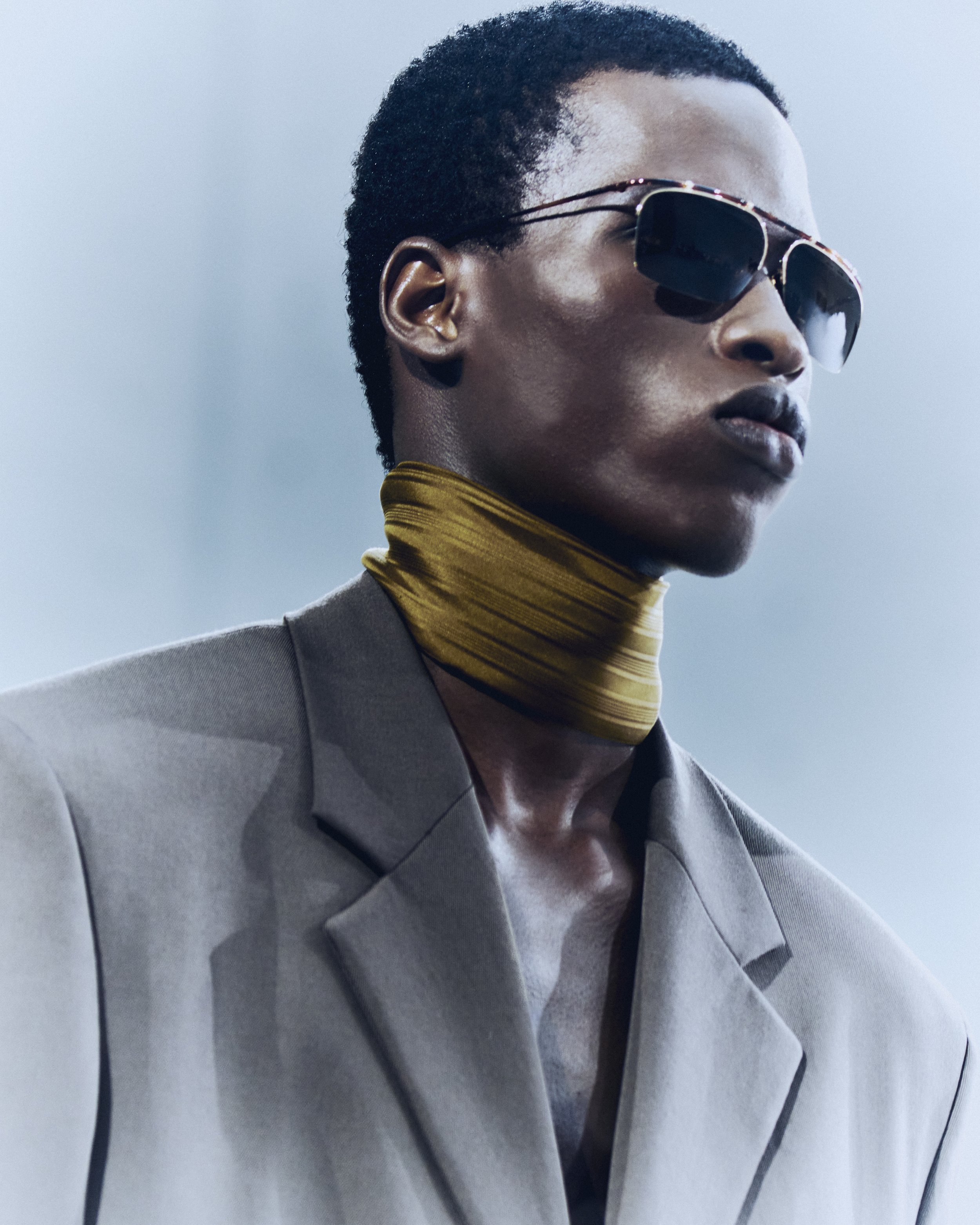
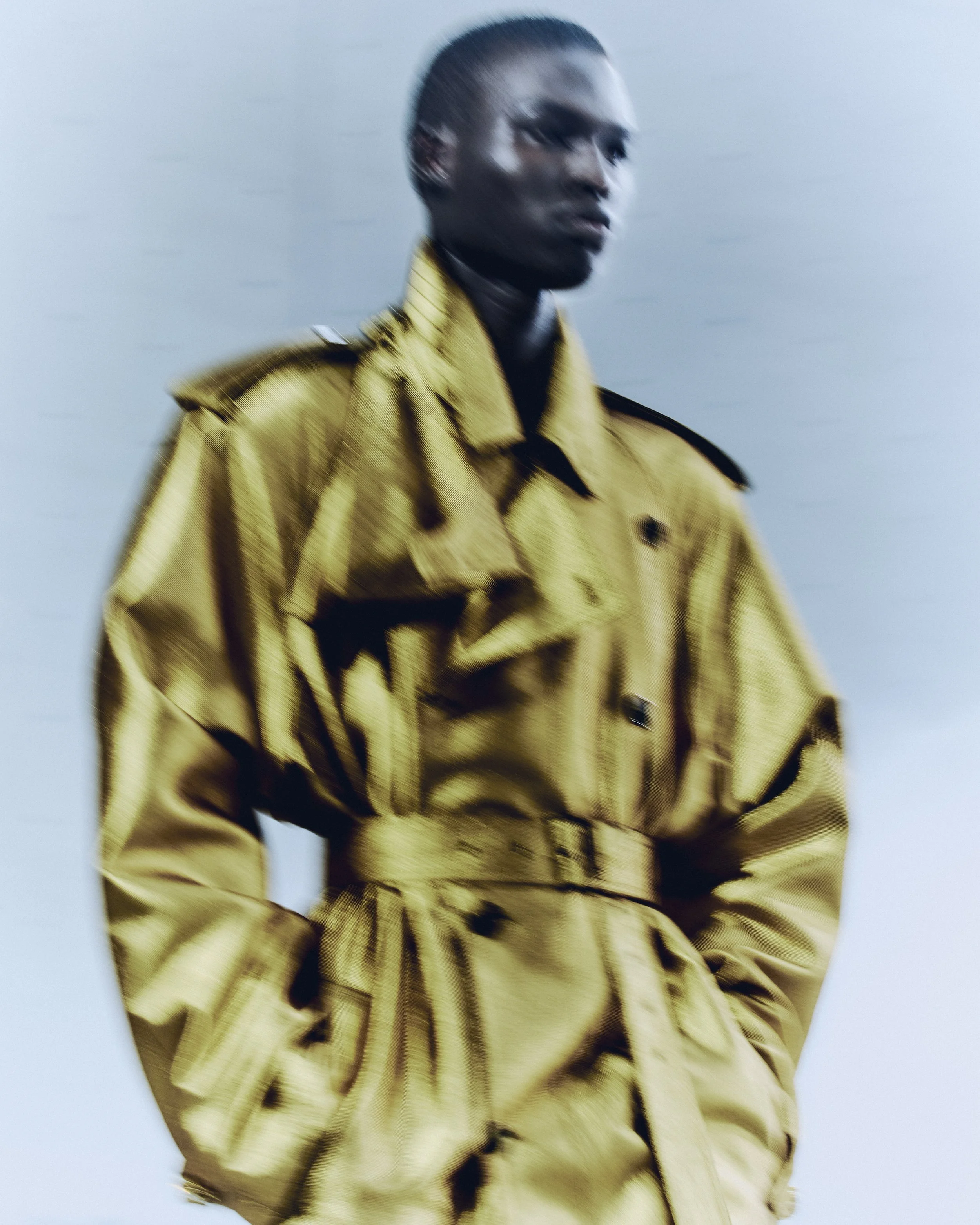
Tailoring is sharpened into new proportions: a three-button jacket cut higher on the body, paired with narrow flat-fronted or softly pleated trousers; familiar Saint Laurent codes—the waistcoat, the ribbed V-neck sweater—recalibrated through precision rather than reinvention. Even athletic blousons appear refined, rendered in unexpectedly delicate technical taffeta. Gold threads through the collection not as ornament but as transformation, turning the utilitarian trench into something heightened yet still functional. The palette remains grounded—grey, brown, black, beige—punctuated by flashes of orange, ochre, claret, lime, powder blue, and shimmering gold.

The collection is informed by figures who treated restraint as a form of expression: Marguerite Duras, Tina Chow, and the fictional Mr. Ripley. Each, in different ways, embodies Vaccarello’s central idea that omission can be more powerful than declaration. As the notes frame it: “It is refusal, perhaps, that most powerfully fuels desire.” And further: “We have forgotten the pleasure of the unknown, the unseen and the unspoken.”

The presentation extends this philosophy into space and choreography. Models move through Cloud #07156 in a sixteen-minute sequence, emerging and dissolving within Nakaya’s fog. Here, clothing is never fully fixed in view. Instead, it becomes part of an atmosphere where presence is temporary, and disappearance is designed. The installation is not a backdrop but an active force—another articulation of absence, restraint, and desire in motion.

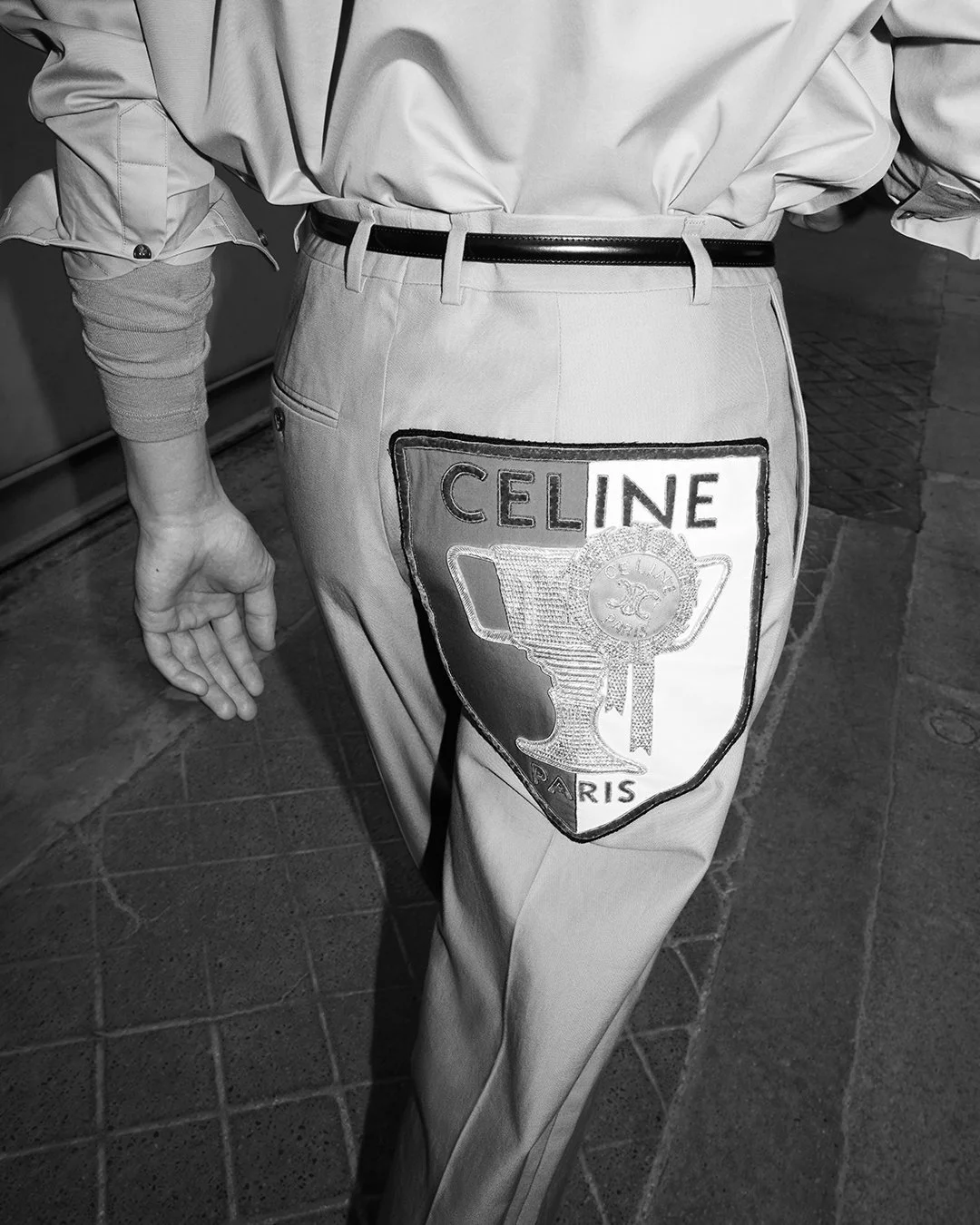
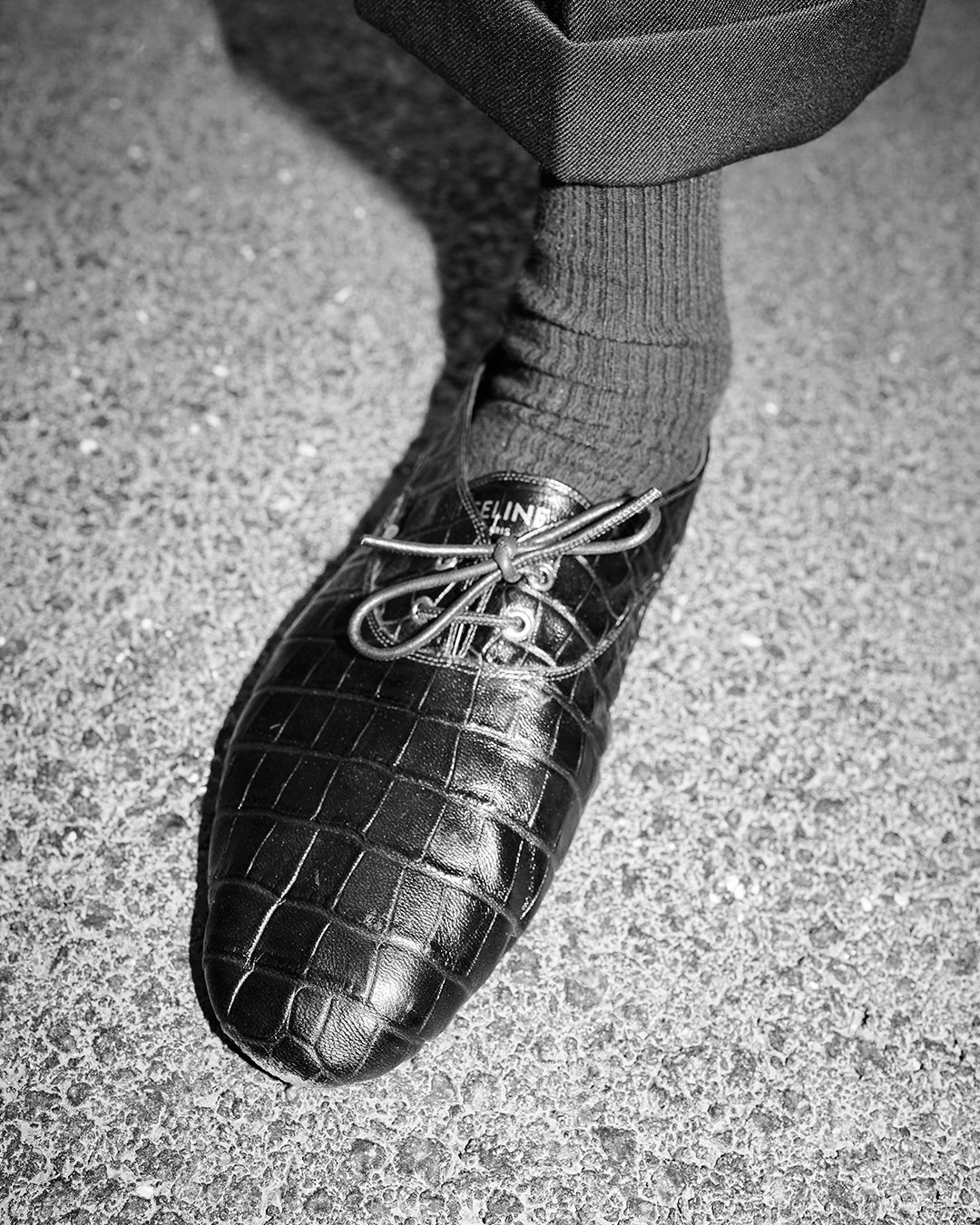
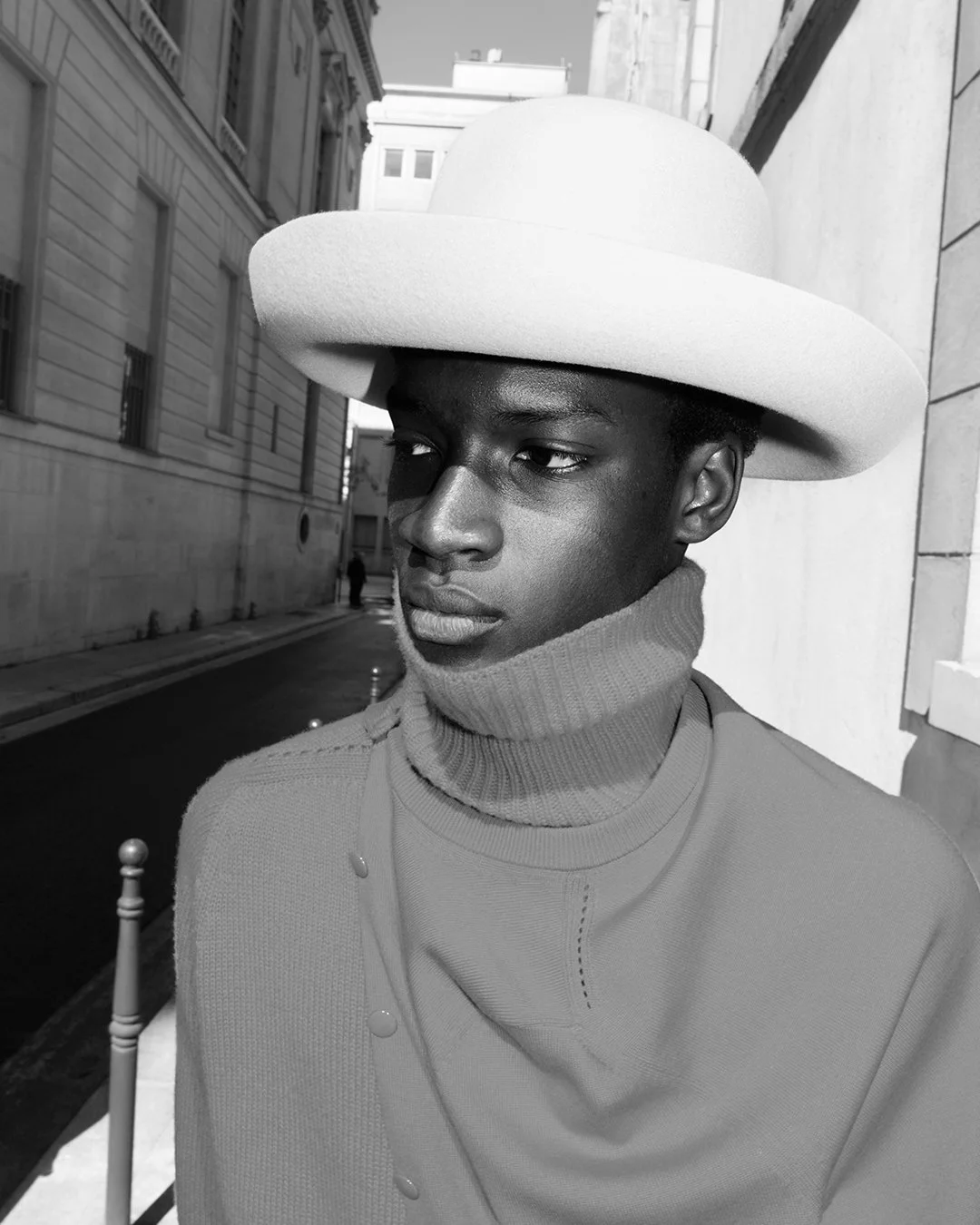
Campaign: CELINE Autumn/Winter 2026 Collection by Michael Rider

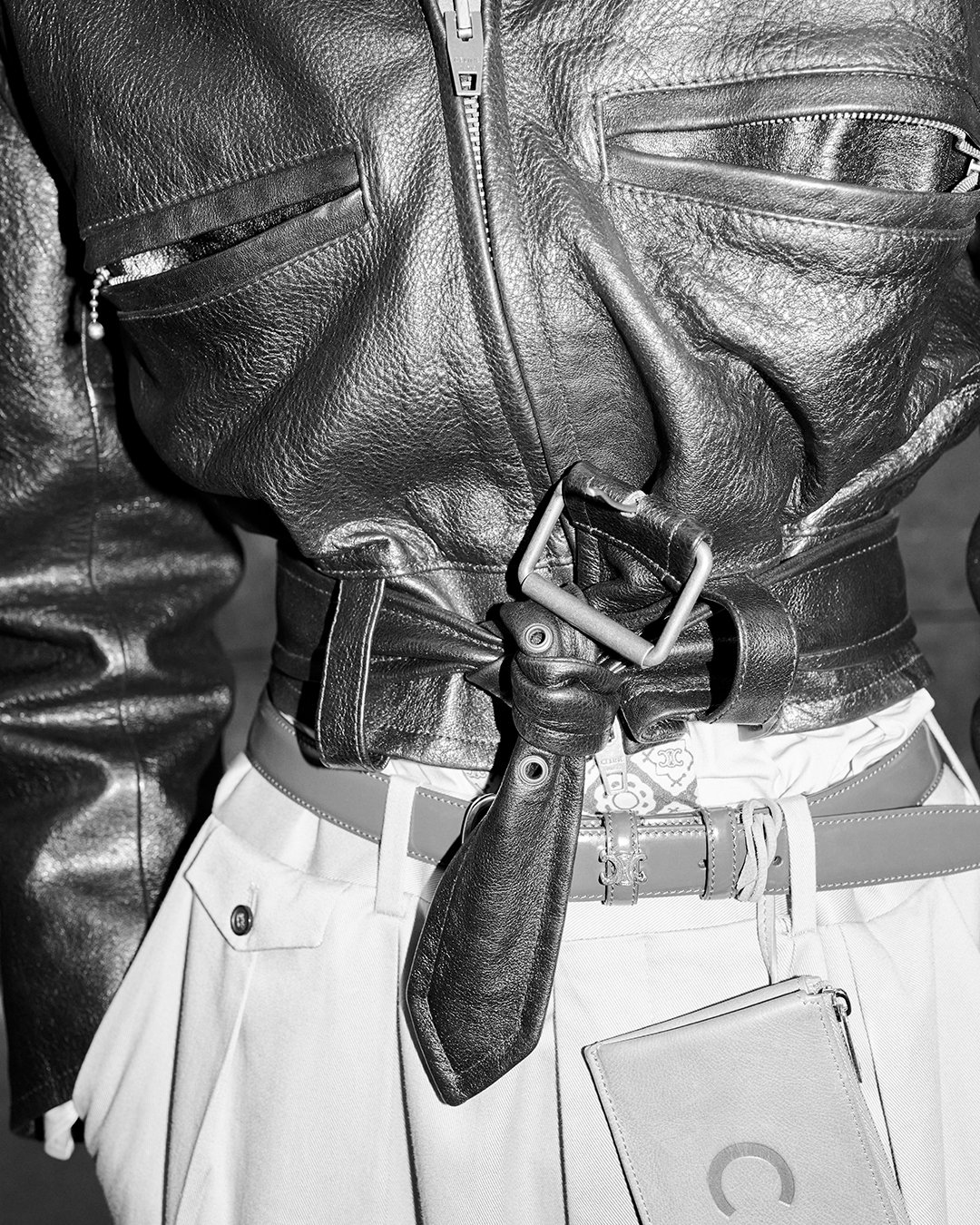
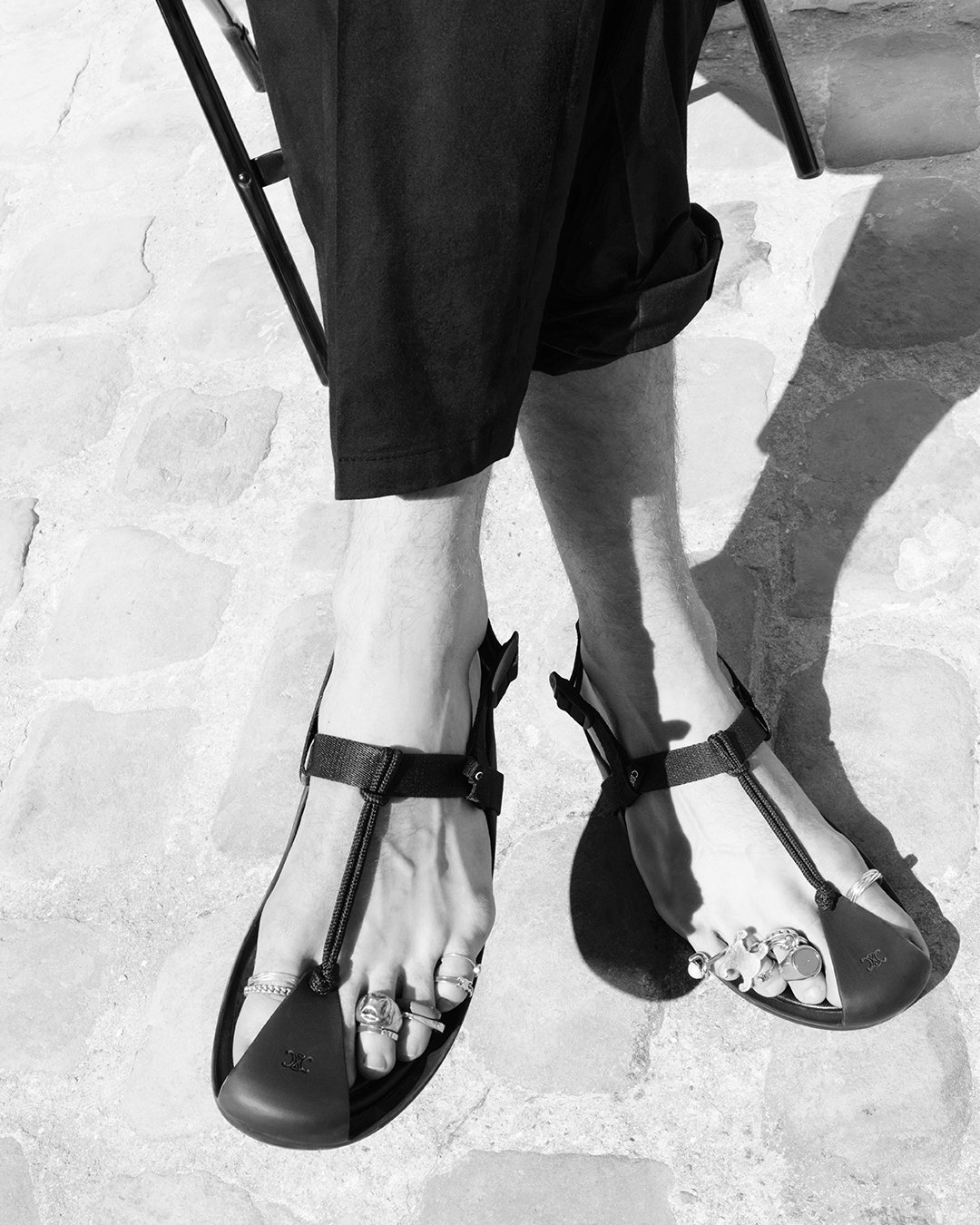
CELINE’s Autumn/Winter 2026 campaign under Michael Rider builds from the frame of menswear and what CELINE stands for, filtering it through the energy of the here and now. As Rider puts it, “We took the frame of menswear, and what CELINE stands for, and then talked a lot about the energy of today, the here and now, the way people live and want to look.” At its core is a shift from performance to presence: “Character over costume.” The collection resists excess in favor of clarity, positioning dressing as something grounded, instinctive, and personal. It’s about a wardrobe that doesn’t overwrite identity but refines it.

CELINE becomes, in Rider’s words, “a place to come and get dressed, for all sorts of days and nights and moments in life,” where clothing is meant to be lived in rather than staged. The invitation is open-ended—“inviting everyone to find the best pieces and then to appropriate them into their lives, their rhythms, their style.” Everything resolves into utility and emotion at once: “Everything you could need,” expressed through garments that feel necessary, personal, and made in beautiful fabrics that endure. The attitude is quiet but precise—“classics with bite,” where “discretion and restraint make the right kind of noise.”

photographs by Andrea Spotorno

Proportions by Chiara Bottin & Debora Brune


dress by TIMSTO
ballerina by Rombaut
tights by Wolford
wool brief by Lou de Betoly


text, styling & creative direction by Chiara Bottin
photographs by
Debora Brune
talent
Pauline Anna Gudet
hair by
Alan Antoineh
makeup by
Jennifer Le Corre
assistant
Emma Obermann
styling assistant
Ana Elena Uscatu


dress by Lina Nix
heels by Bottega Veneta
tights by Wolford

bralette by Lou de Betoly
gloves by Squillance
mesh brief by Her Senses 
wool brief on top by Colombe de Naes
tights by Wolford
heels by r.l.e


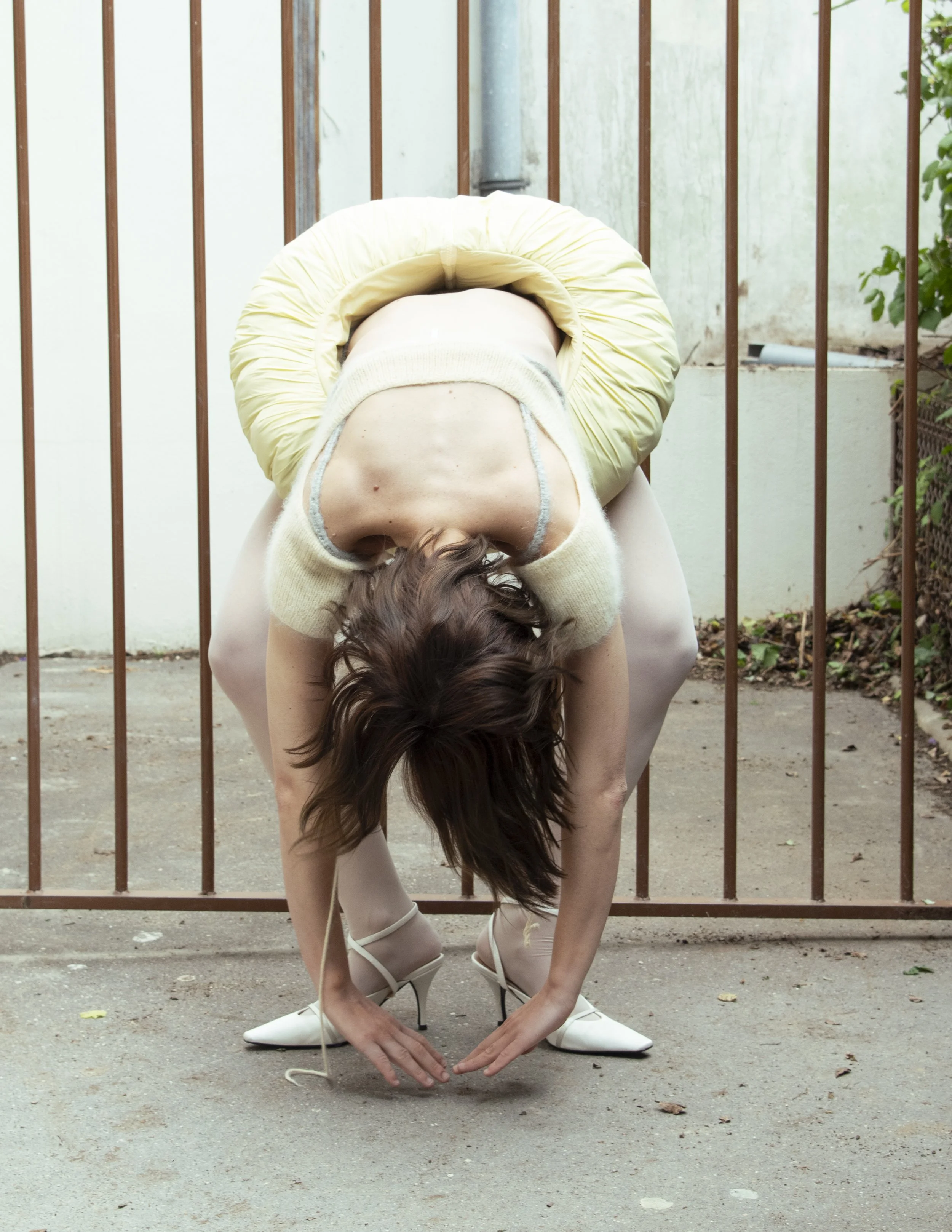
I’m always trying to feel the right proportions. Not in my head, but in my body. How much tension I can hold before it turns into something else? Stretching, yoga, bending myself into strange shapes — it’s how I stay connected when things get too loud. Balance never stays. The moment I think l’ve found it, it slips away. I drift. 


My body folds into awkward positions, pauses too long, leans too far. It doesn’t look right, but it feels necessary. Sometimes being weird is the only way I can breathe. Most of this happens when no one is around. Almost invisible moments. Naked or half dressed, a cigarette between my fingers, stretching without knowing why. My favourite boots on the floor or still on my feet, grounding me. I’m just listening — to my weight, to gravity, to what I can carry and what I need to drop.

puffer jacket by Alessandro Santi
ballerina by Rombaut
corsage & brief by Her Senses

jacket by Cem Cinar
skirt by Colombe de Naes
hook mules by Sia Arnika
hat by Polyhedron

Outside, things soften. I hug a tree, let my legs hang from a branch, give in instead of holding myself together. Nature doesn’t ask for balance. It allows imbalance. 

The story moves between inside and outside — apartment, studio, open space. 

Each place shifts something in me.

dress by Ottolinger
heels by r.l.e
tights & transparent socks by Wolford

full look by Sia Arnika
bracelet by Laruicci 

mini knit cardigan by Colombe de Naes
knit bra & brief by Lou de Betoly
wheel skirt by TIMSTO
heels by r.l.e
tights by Wolford

The same body, but different proportions, depending on how exposed I feel. Balance isn’t calm. It isn’t clean. It’s fragile and messy and personal. I don’t find it by being correct. I find it by letting myself be off.


dress & brief by Ottolinger
boots by Rombaut
tights: Wolford


body by Polyhedron
knit floral hat by Colombe de Naes
heels by r.l.e
transparent socks by Wolford


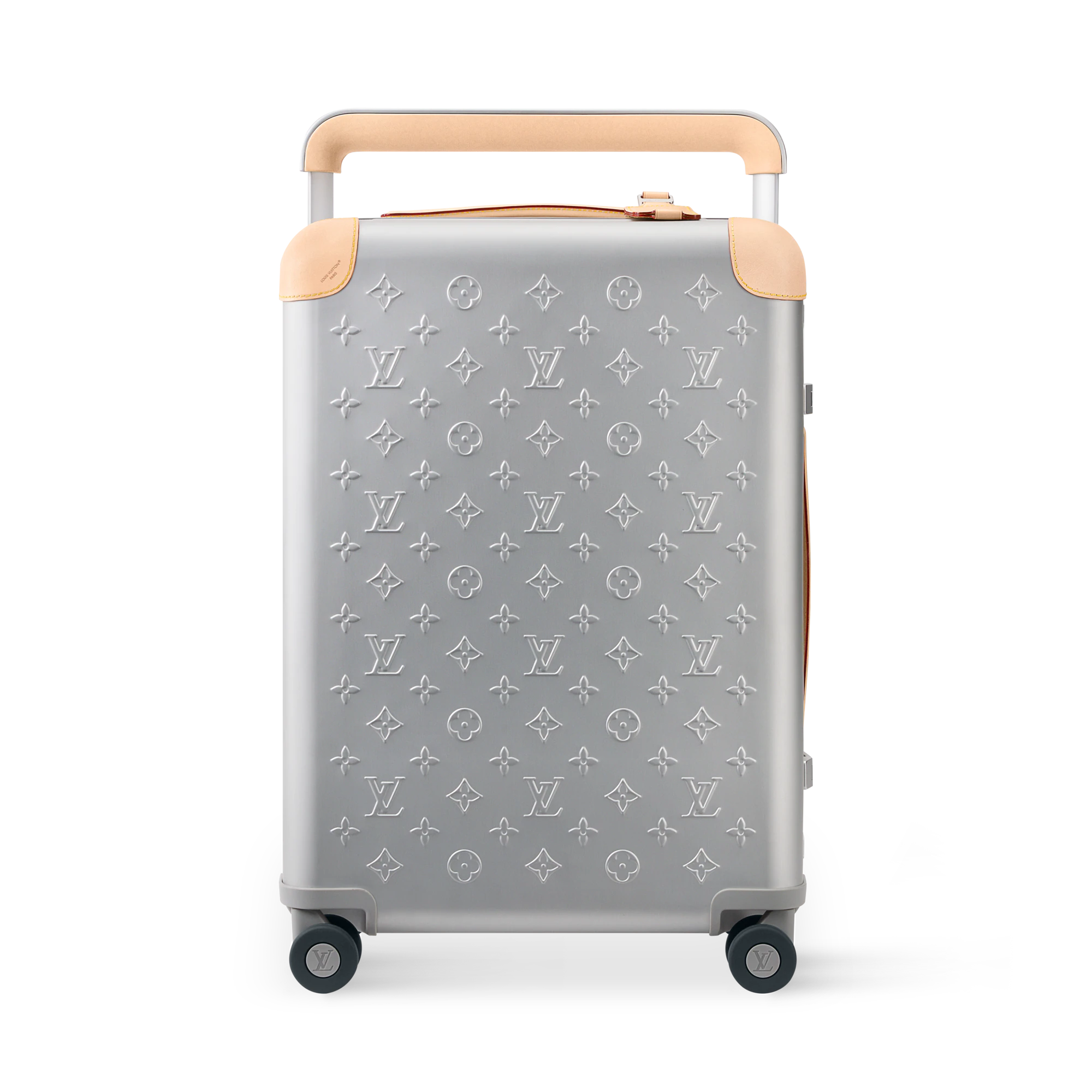
Marc Newson Crafts The Horizon Aluminum Suitcase For Louis Vuitton; A Revolution In Luggage Design

For more than a decade, the collaboration between Louis Vuitton and Marc Newson has represented a meeting of two worlds: the House’s long-standing mastery of travel and the designer’s relentless pursuit of innovation. By the time Newson first partnered with Louis Vuitton, he had already established himself as one of the most influential industrial designers of his generation, celebrated for works that ranged from furniture and transportation design to luxury objects. Yet one of the most ambitious projects born from the partnership was not a limited-edition collectible, but a reimagining of the suitcase itself.

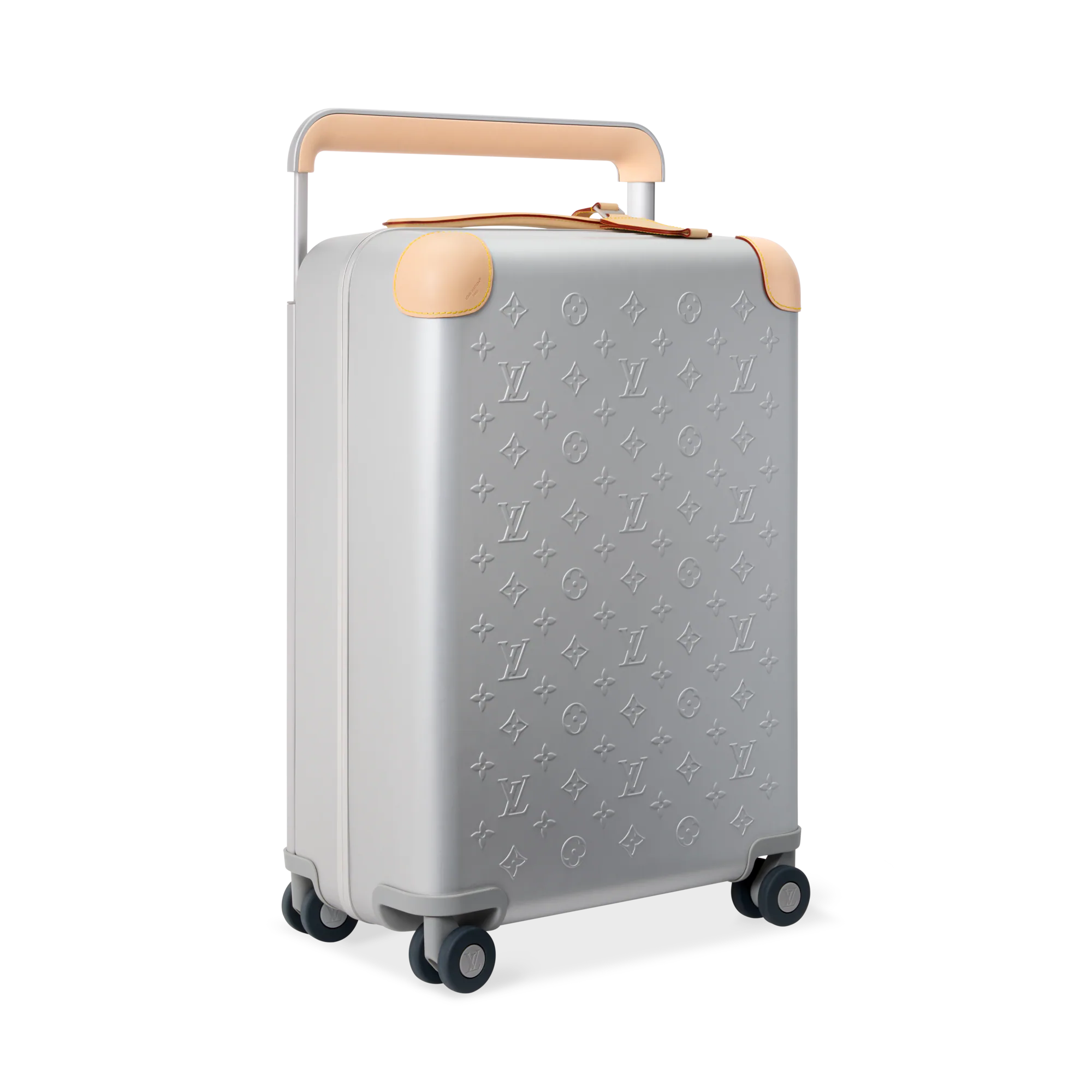
Introduced in 2016, the Horizon suitcase distilled travel to its essential form. Defined by clean lines, lightweight construction, and meticulous engineering, it reflected Newson’s belief that the most elegant designs are often the most technically demanding. Over the years, the Horizon evolved into a contemporary Louis Vuitton icon, available in canvas and leather and adaptable to the House’s seasonal expressions.

Now, on the tenth anniversary of the collaboration, Louis Vuitton introduces a new chapter: the Horizon Aluminum, the House’s first aluminum suitcase.

The choice of material is both practical and symbolic. Long valued for its strength, lightness, and recyclability, aluminum has been a signature element throughout Newson’s career. It also echoes a lesser-known chapter of Louis Vuitton history, when the House produced aluminum trunks for explorers at the end of the nineteenth century. The Horizon Aluminum draws from both legacies, merging historical craftsmanship with contemporary engineering.

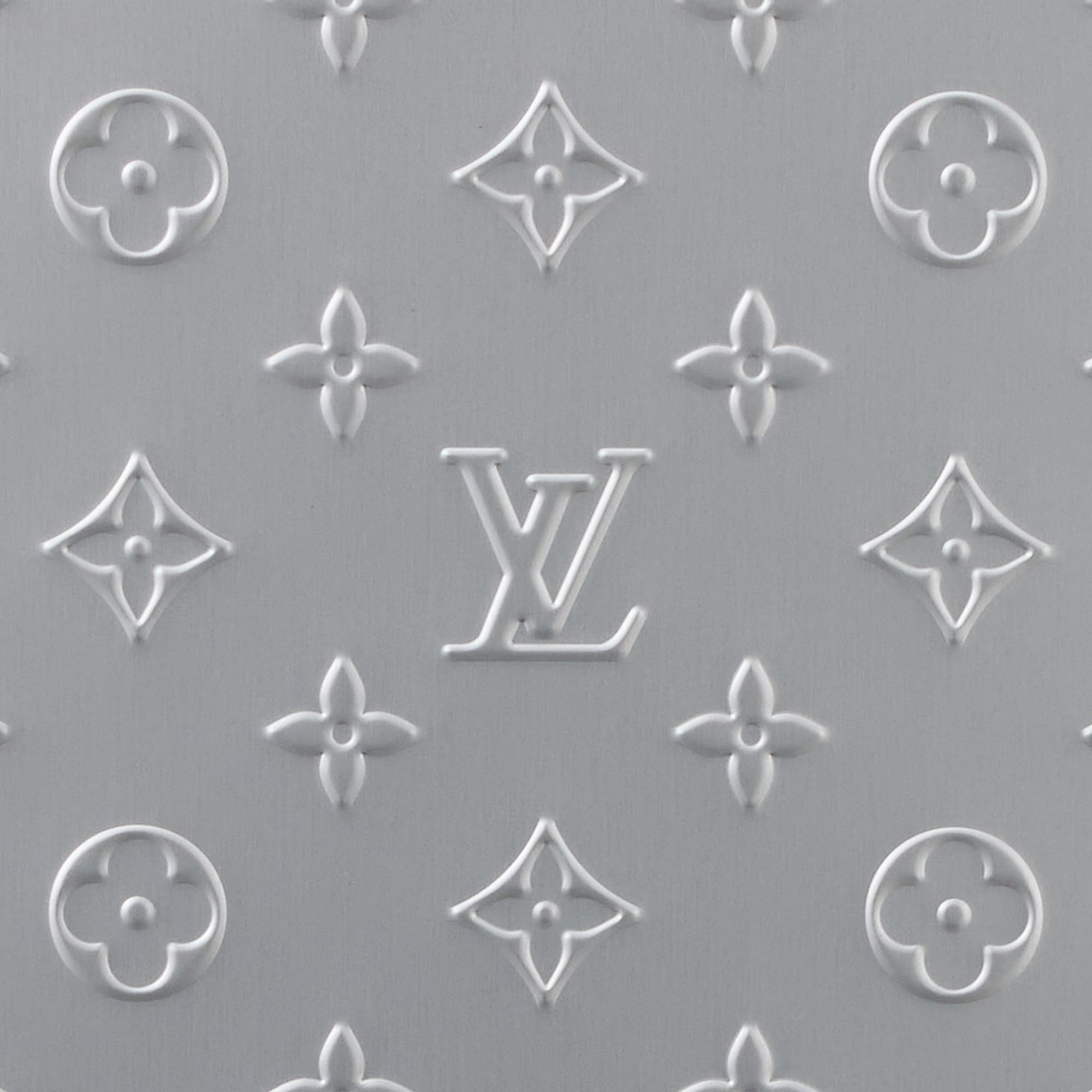
Its construction demanded a radical rethink of conventional luggage design. Sheets of aluminum are stamped and laser-cut to create the shell’s distinctive rounded form while preserving structural integrity. Rather than relying on the grooves typically found on aluminum luggage, Louis Vuitton embosses the Monogram directly into the shell, transforming one of the House’s most recognizable motifs into a functional element that reinforces rigidity.

Newson’s pursuit of visual purity extends to every detail. Traditional rivets have been eliminated entirely, replaced by an ultra-thin frame system attached directly to the shell. Concealed hinges, integrated within the suitcase rather than mounted externally, preserve the uninterrupted silhouette. The result is believed to be the first rivet-free aluminum suitcase on the market.

Inside, functionality is equally refined. An external trolley system maximizes packing space, while a flat interior compartment offers exceptional capacity. Oversized wheels, an extra-wide telescopic handle, TSA-certified locks, and leather-trimmed details underscore the balance of performance and luxury.

Engineered for decades of travel and designed to age with character, the Horizon Aluminum embodies Louis Vuitton’s enduring vision of travel: innovative, elegant, and built to accompany a lifetime of journeys.

The Horizon Aluminum suitcase will be available at select Louis Vuitton Stores and online

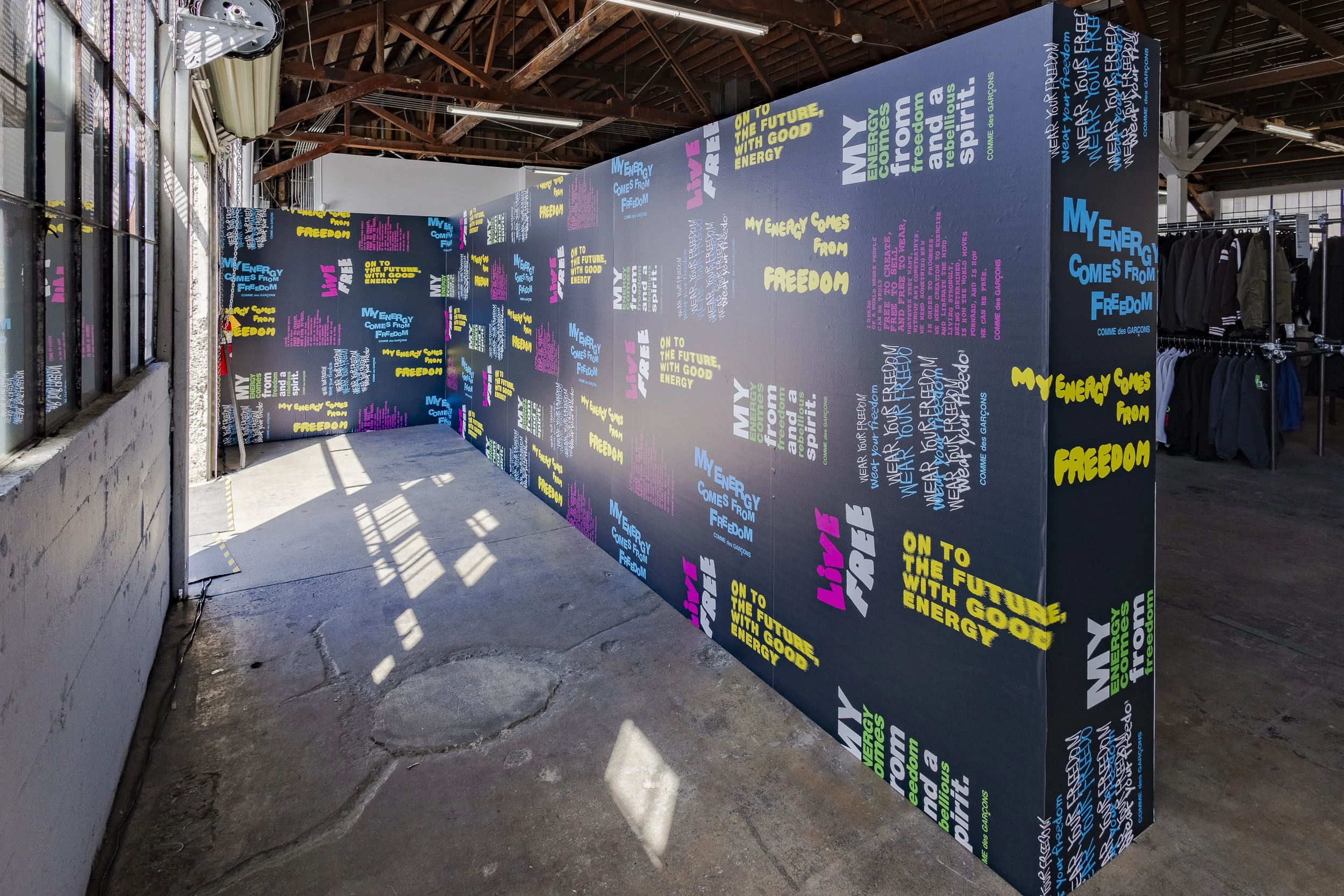
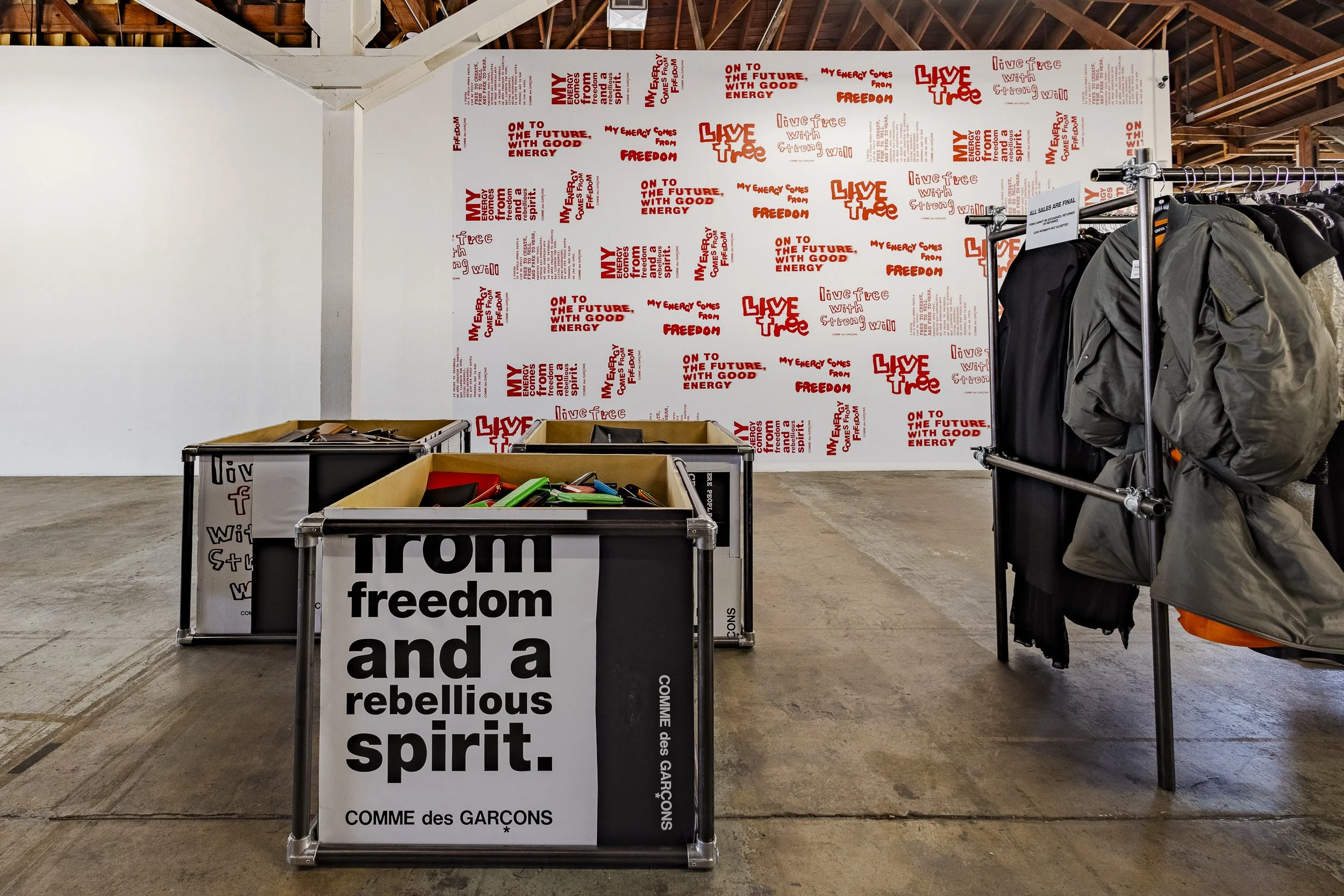
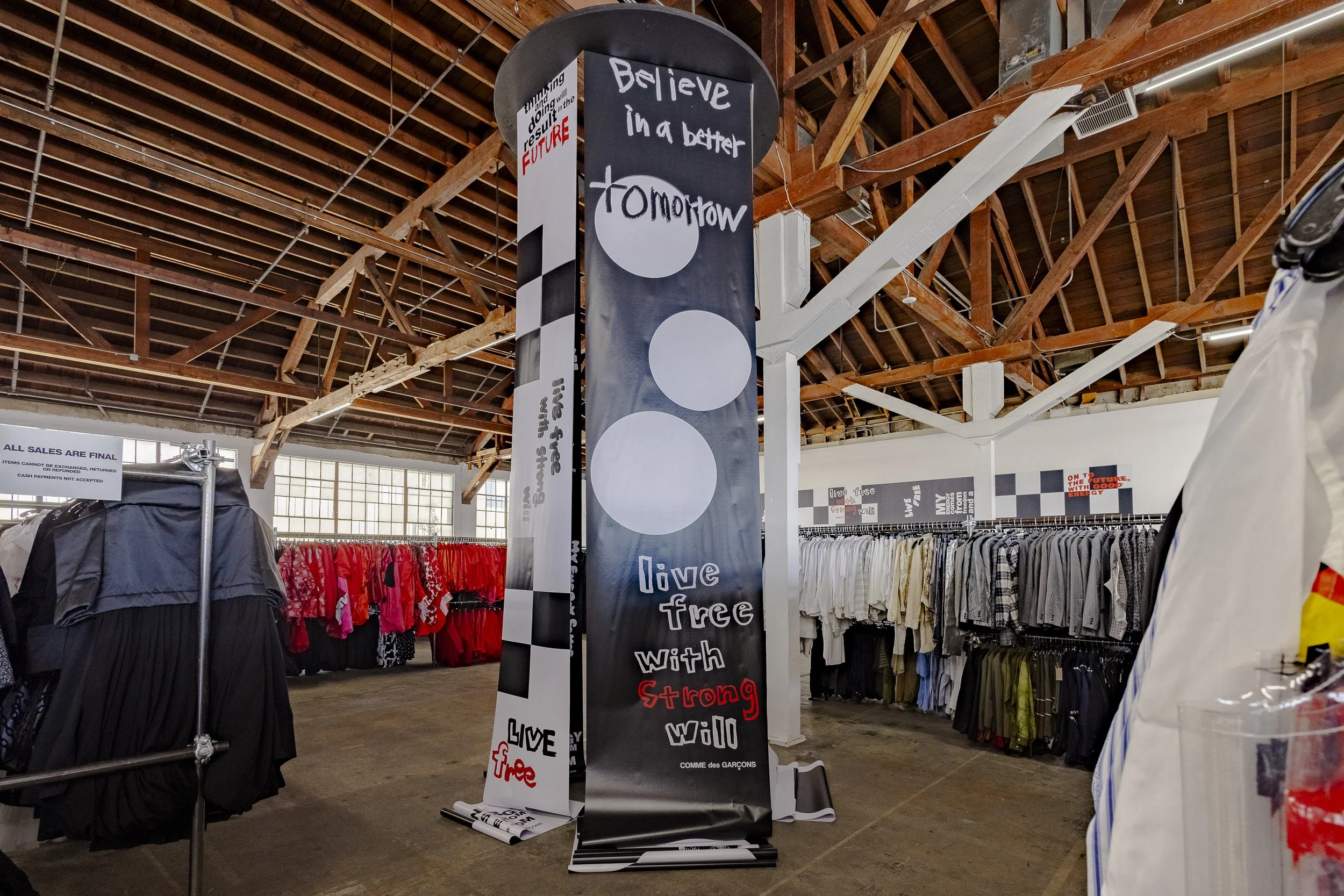
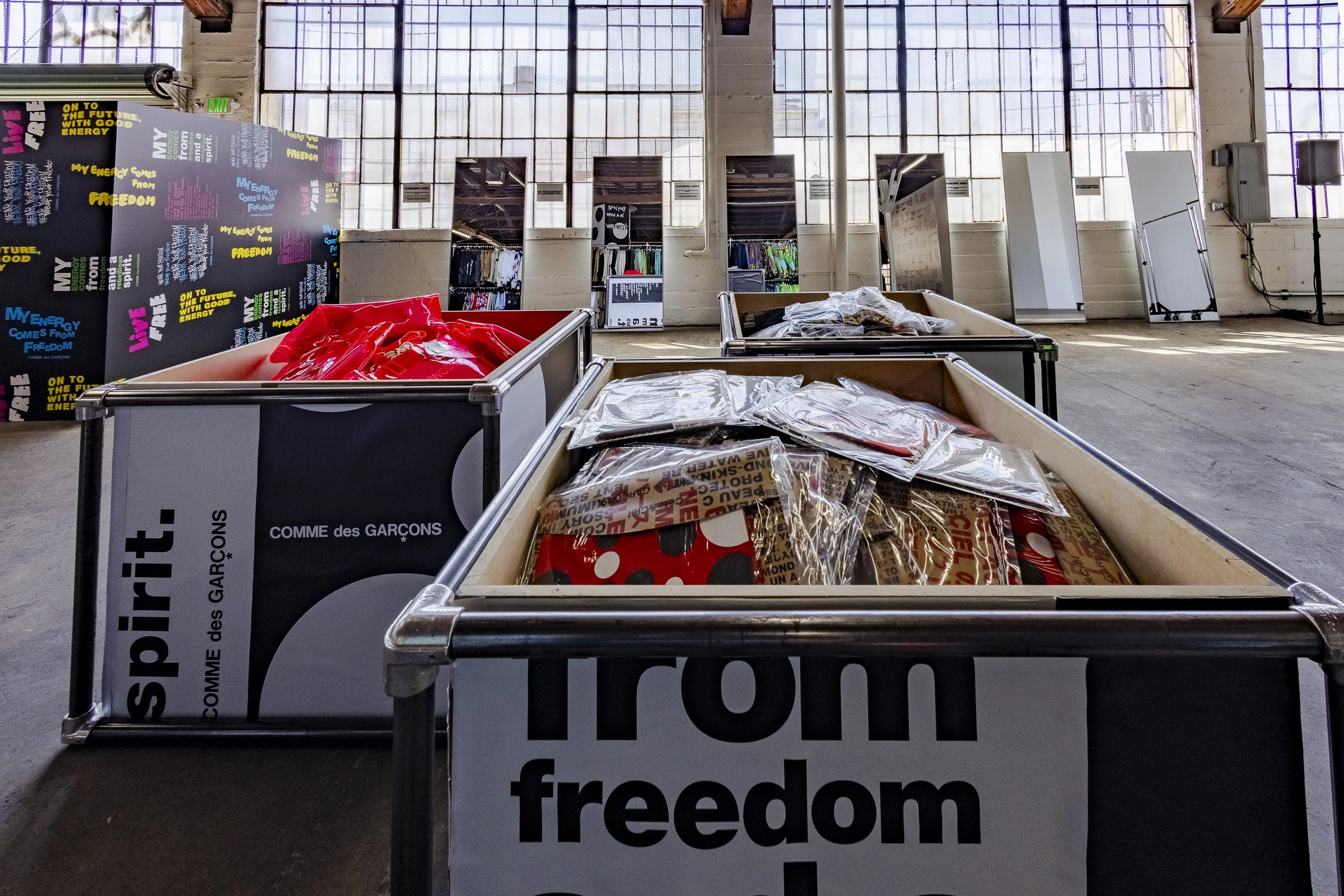
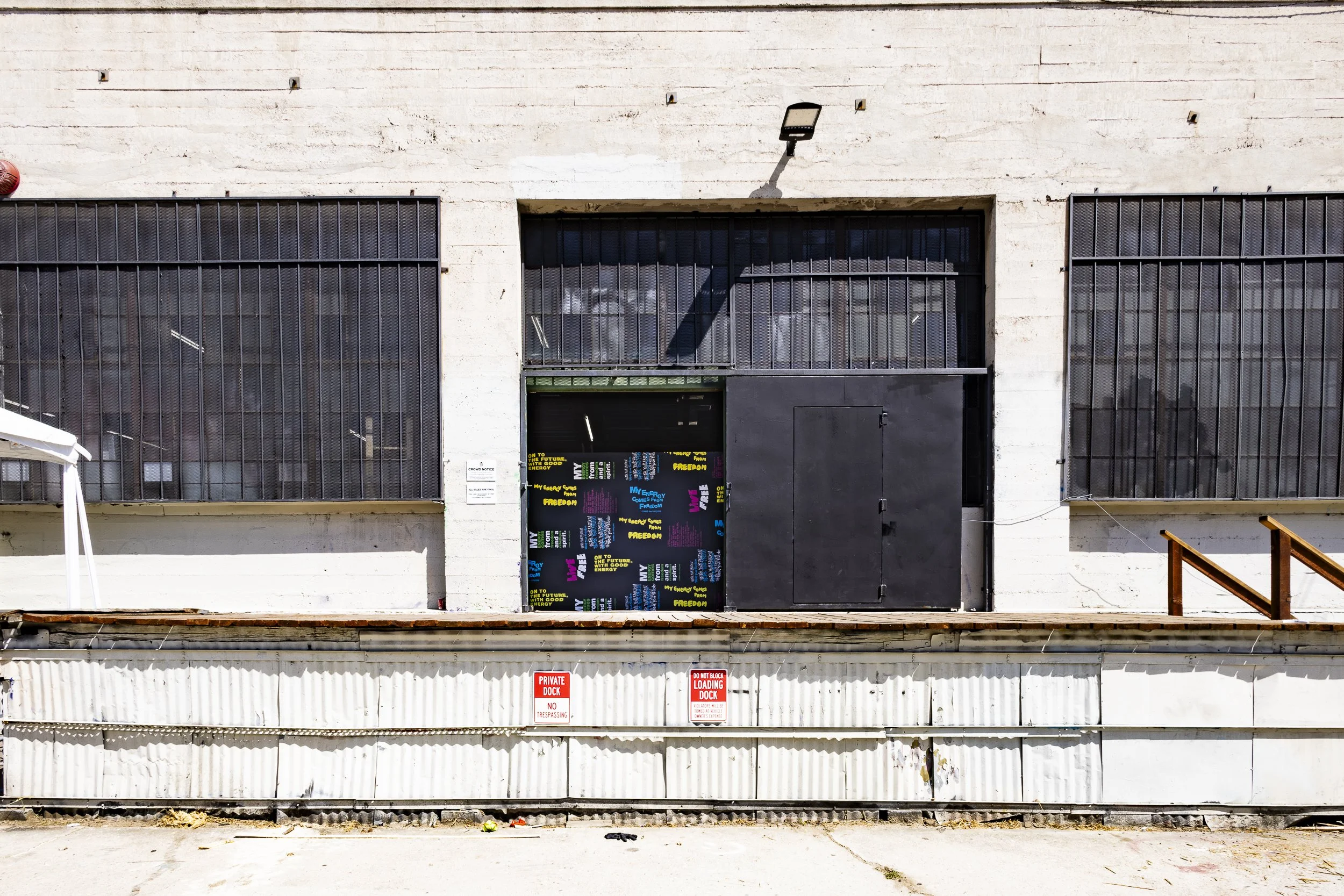
Comme des Garçons and Dover Street Market Present "Market Market" In Los Angeles

Comme des Garçons and Dover Street Market is bringing its Market Market sale to Los Angeles for the first time. Titled Market Market: Message Market, the event opened May 8 and runs until May 13 at Mica Studios as a temporary retail installation focused on archived inventory and past-season product. Items from Prada, Stüssy, Kiko Kostadinov, The Row, Nike, and COMME des GARÇONS will be included, with discounts reaching up to 70 percent.

The sale follows earlier editions staged in Europe and New York, continuing DSM’s rotating format of large-scale archive clearances. Footwear, CDG Play basics, and runway pieces are expected to make up a large portion of the offering. Entry tickets are being released in phases in an attempt to manage attendance and reduce wait times. As with previous editions, product availability will vary throughout the duration of the event. photos by Richard Brooks

Wearable Innovation: Monamobile’s Take On Functional Fashion


Barkin Bag


text by Lola Titilayo
photographs by
Rebekka Roberts

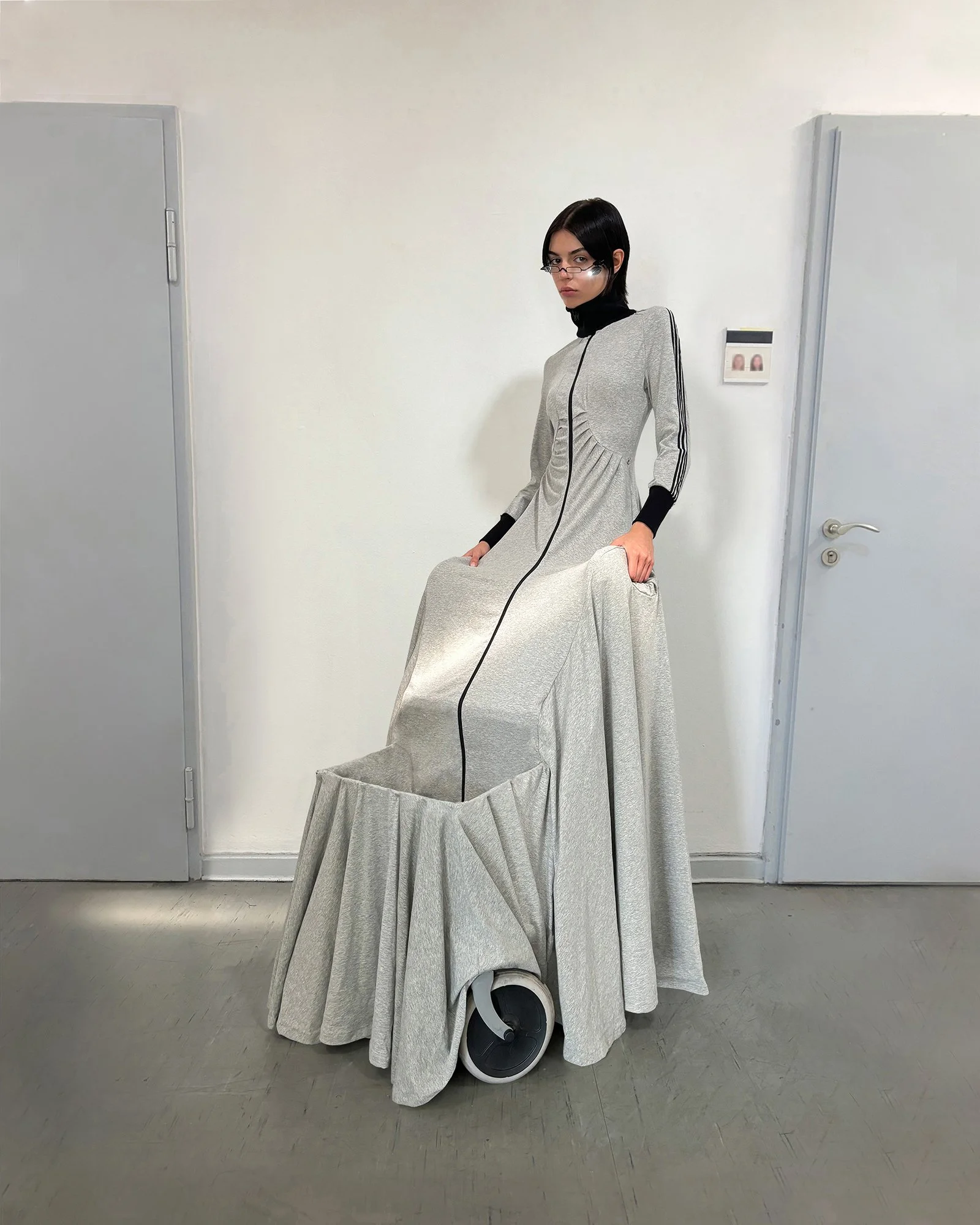
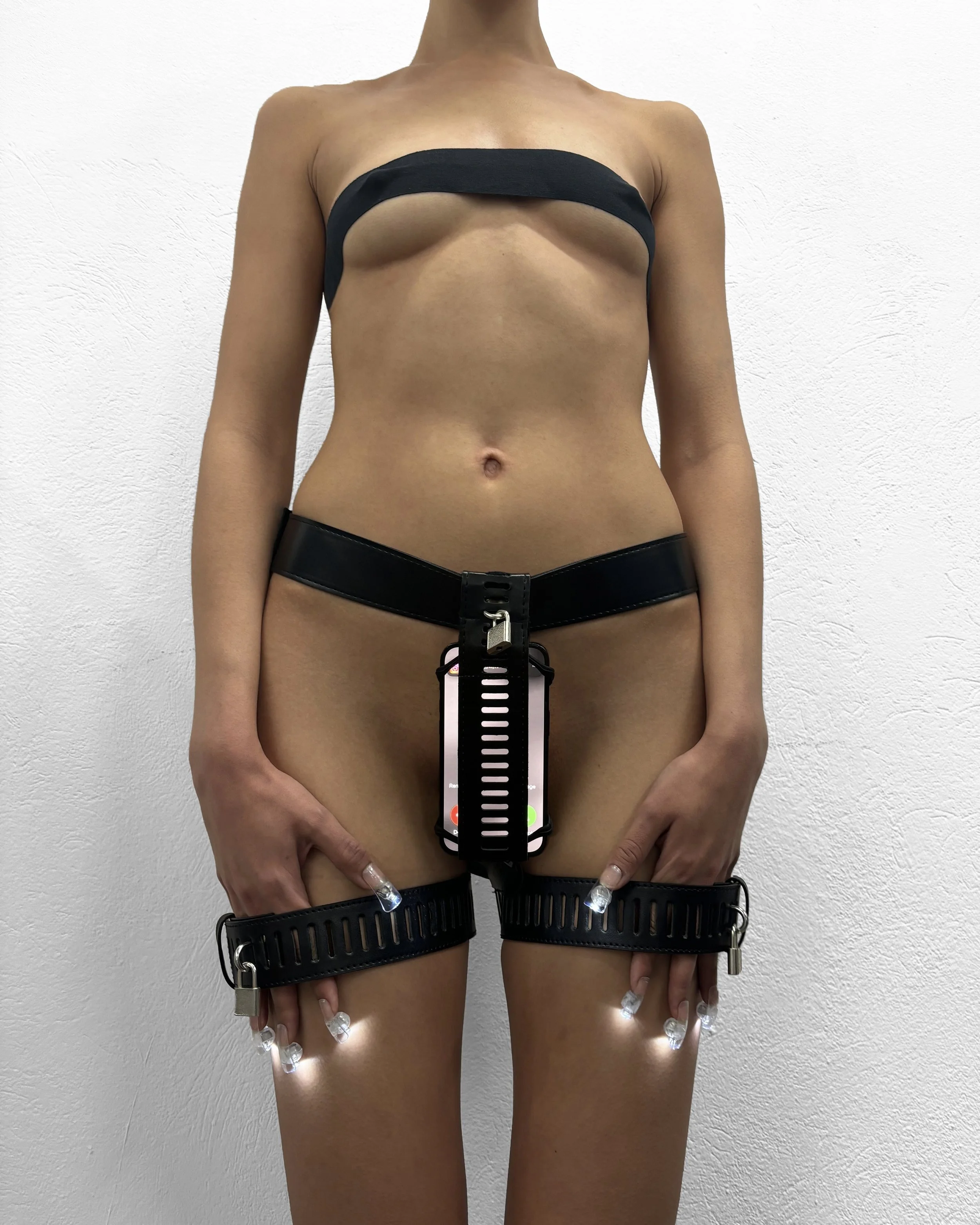
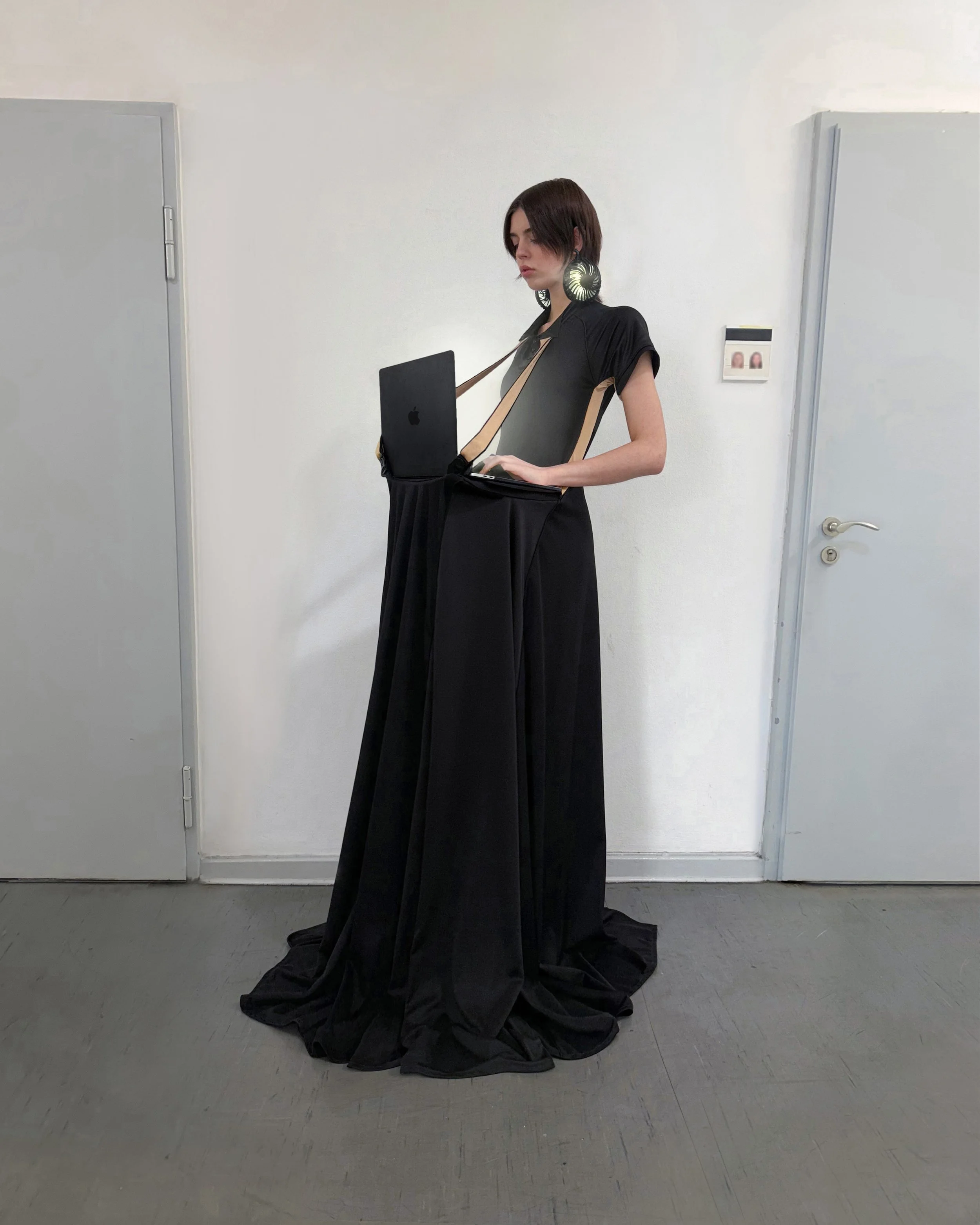
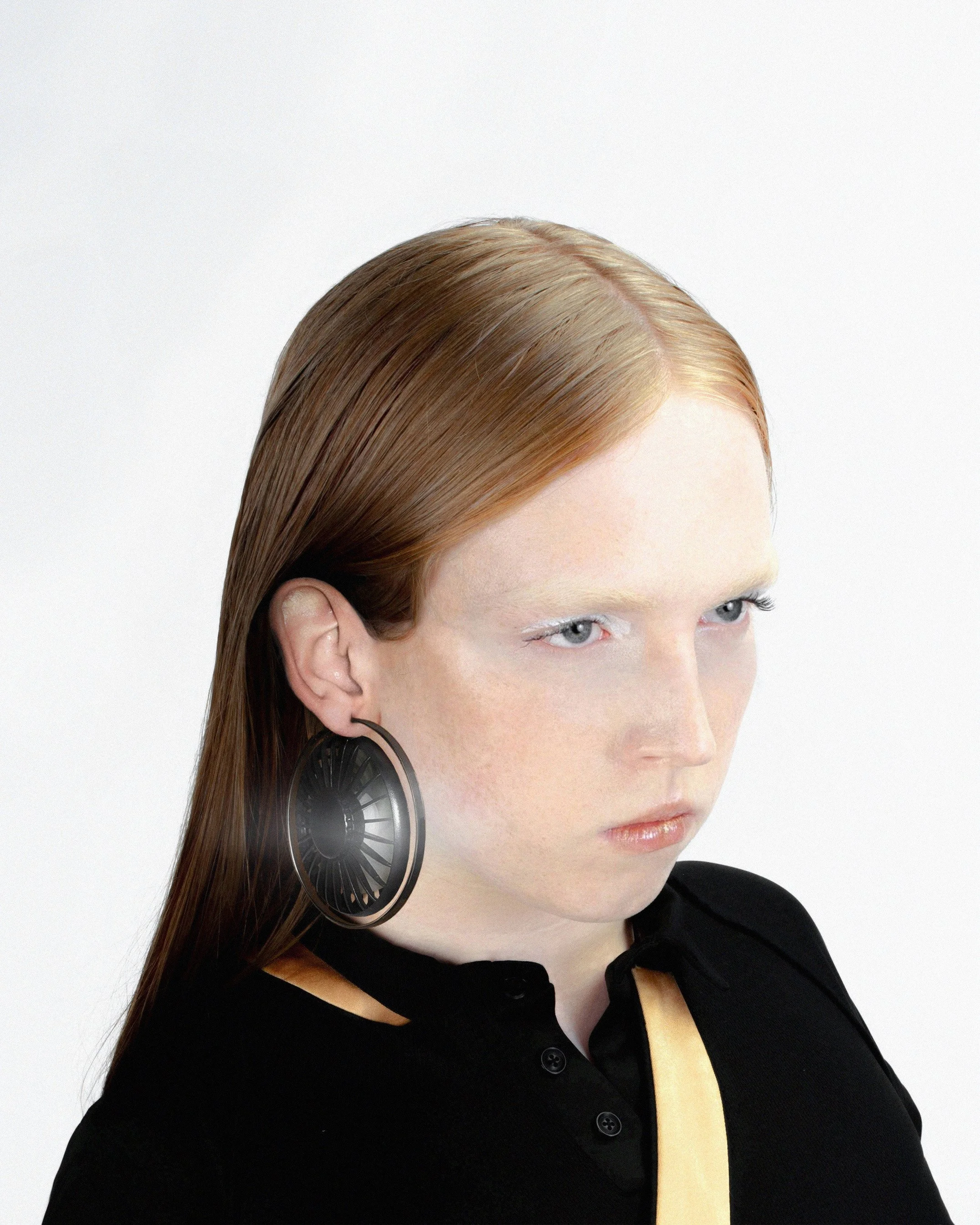
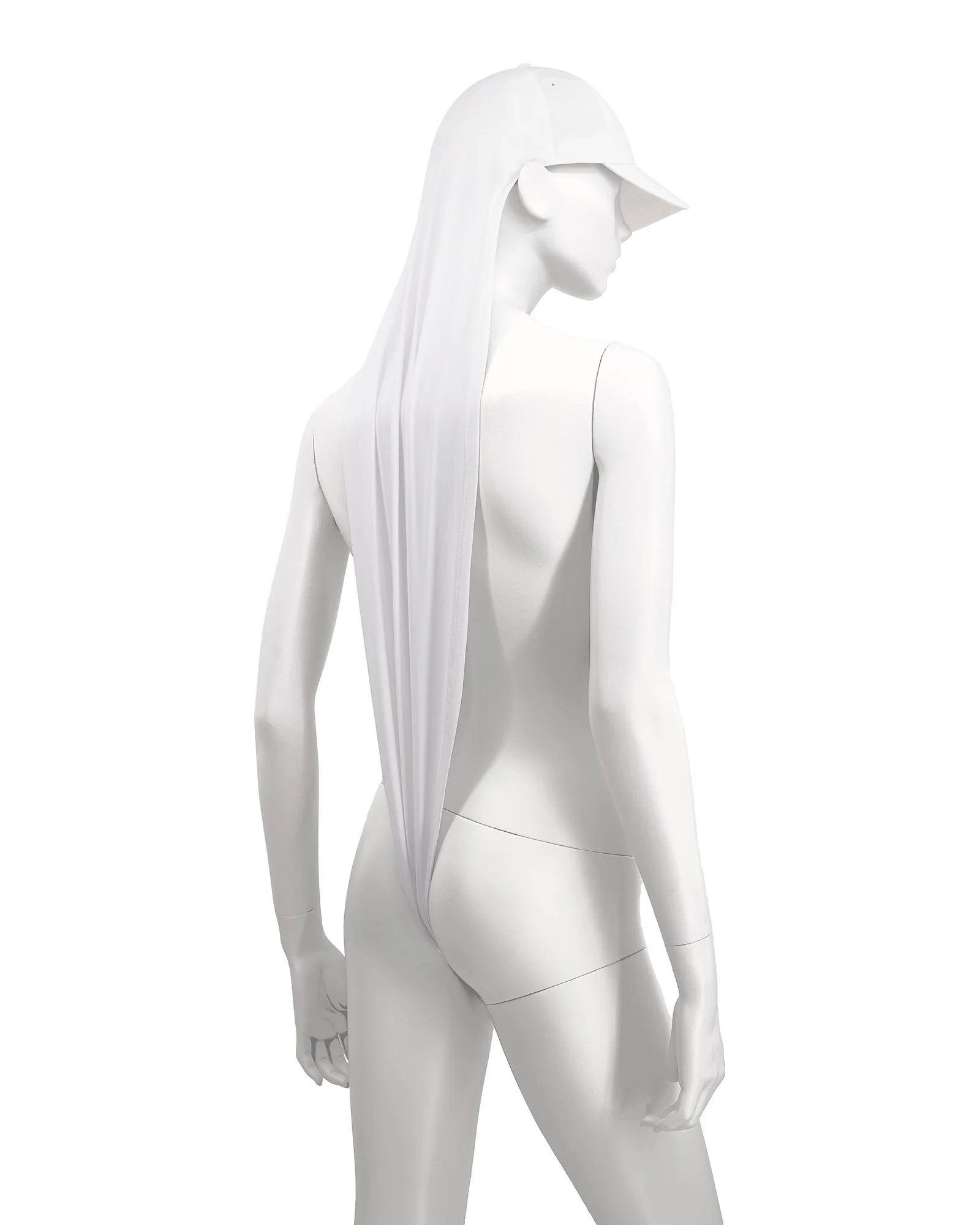
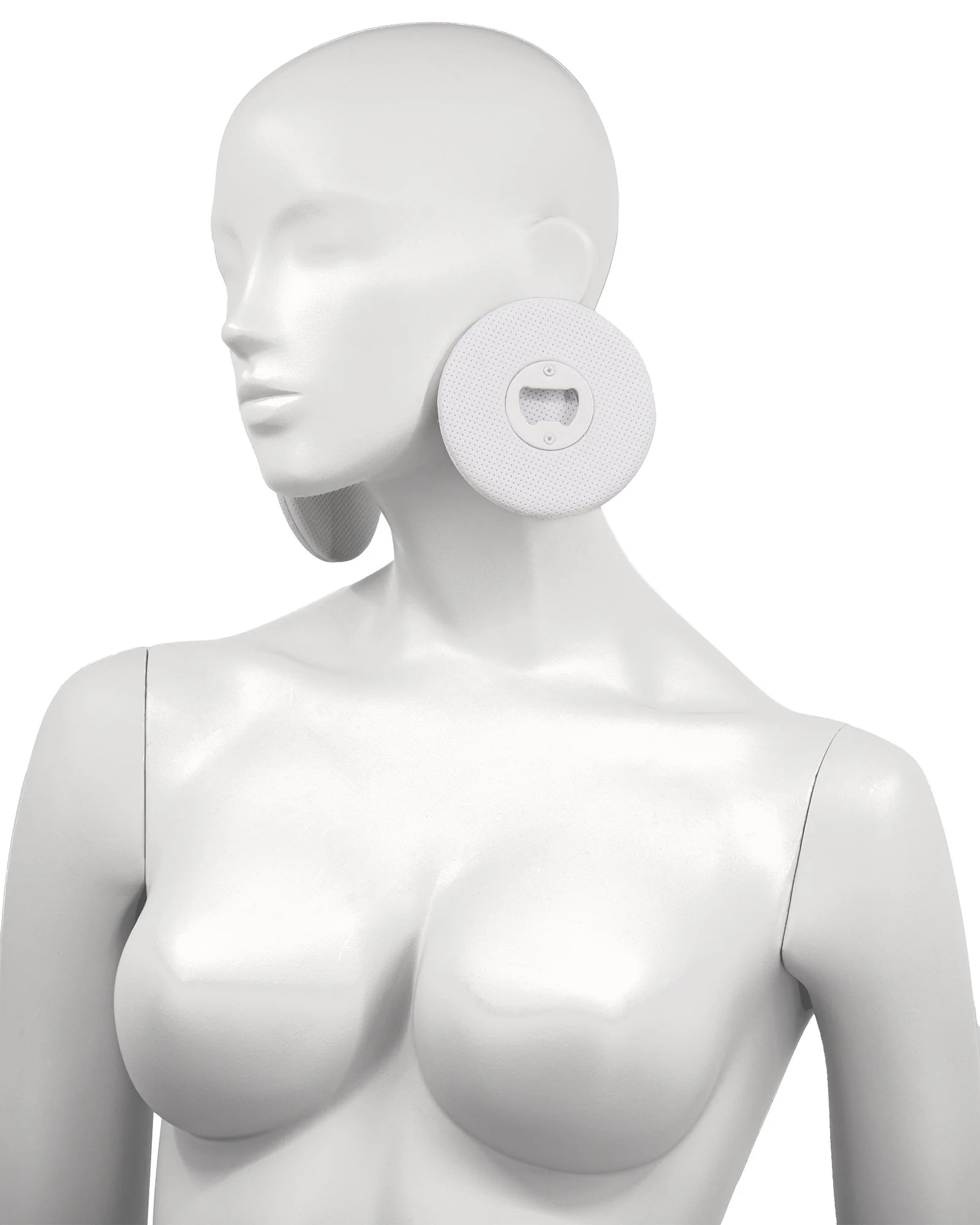
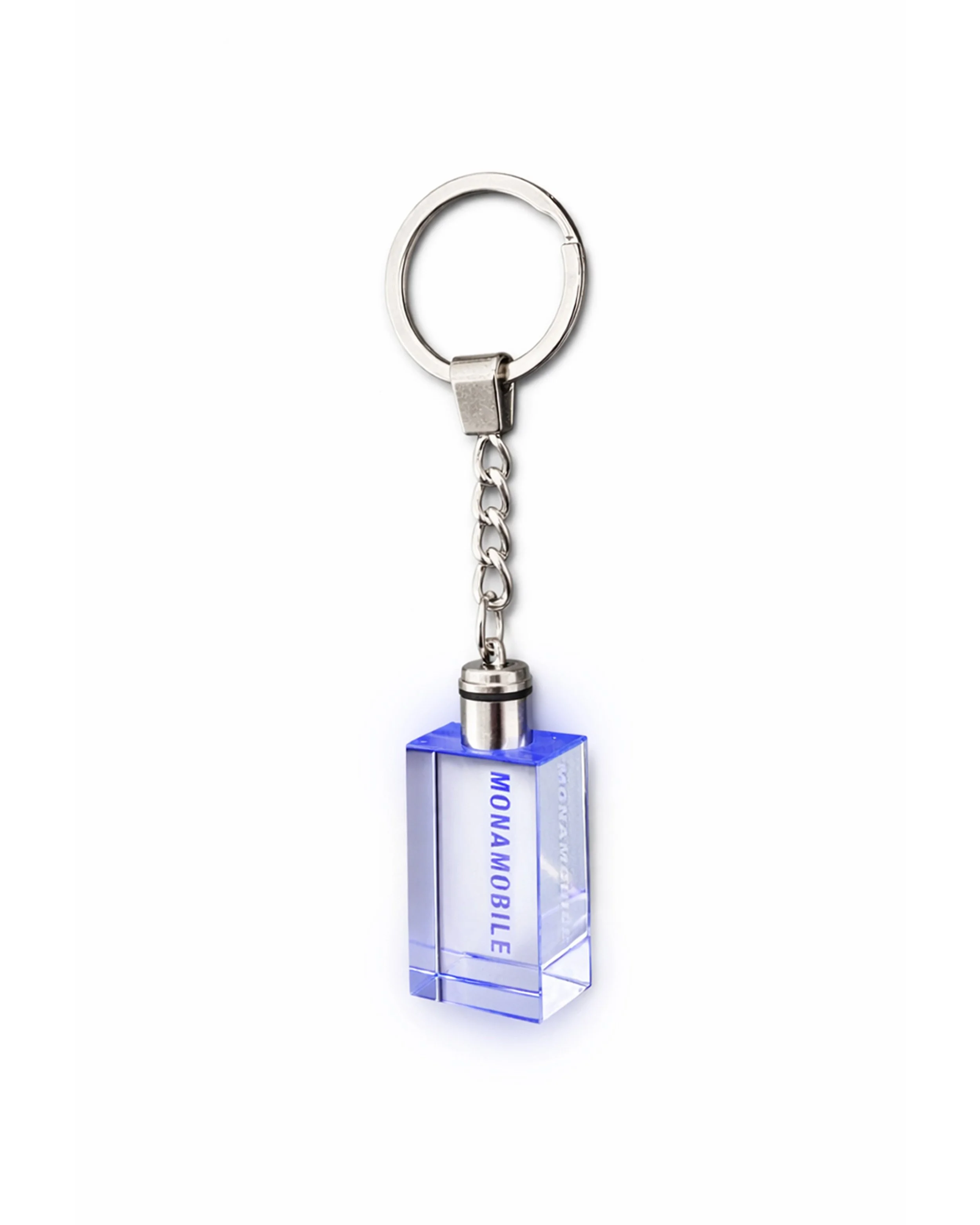
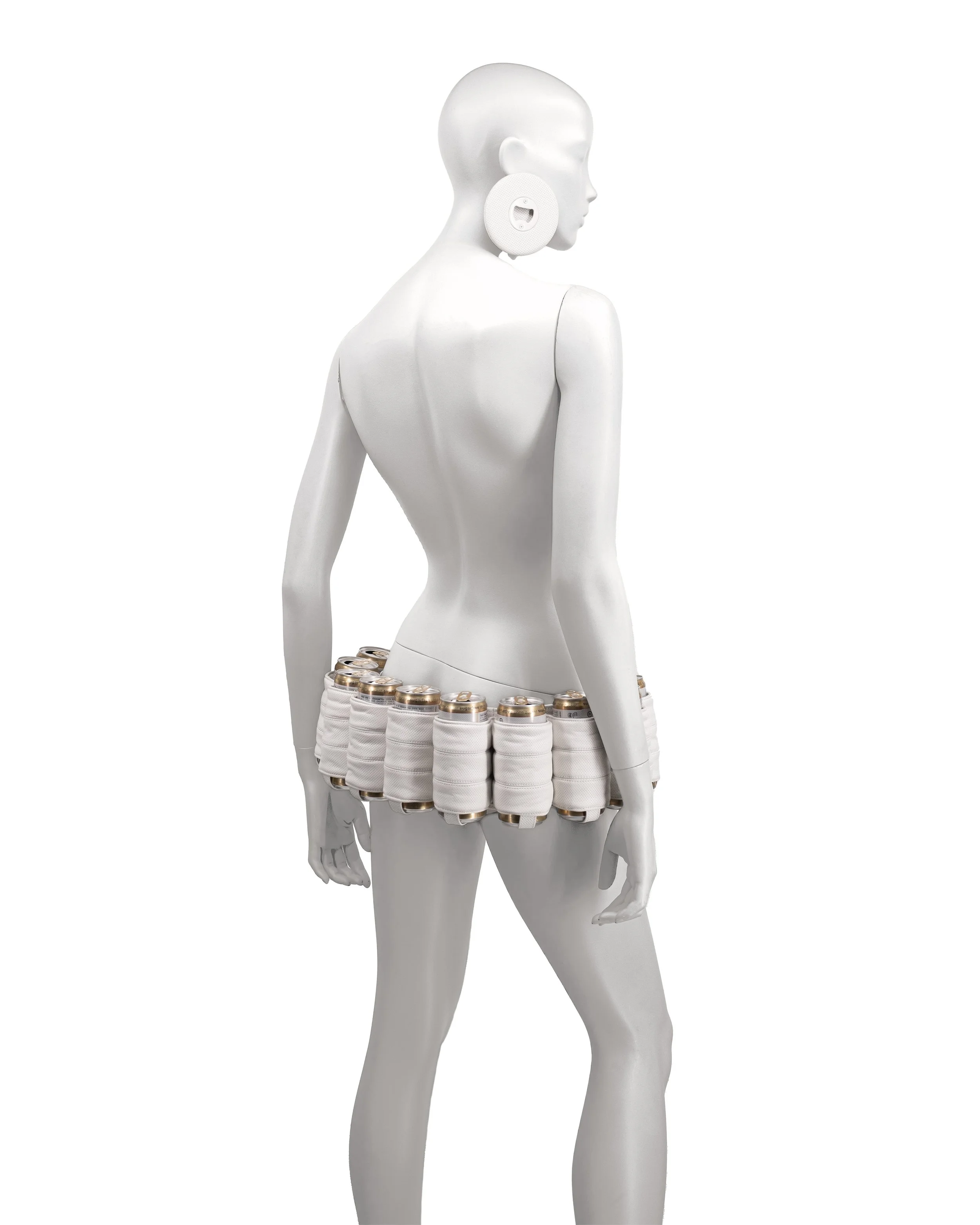
Desk Dress, fan earrings, the Lockini bralette — each object appears distinct, yet all converge at a single point of origin: Monamobile. Operating at the intersection of fashion, technology, and critique, the Berlin-based designers, Mona Gutheil and Maximilian Benz, propose a mode of dress that is not merely worn, but activated. Their work resists the passive consumption traditionally associated with fashion, instead demanding engagement, interpretation, and, at times, discomfort. By embedding everyday technologies into garments and accessories, monamobile reframes clothing as both utility and critique, offering a sharp commentary on the capitalist systems that structure one’s contemporary life.

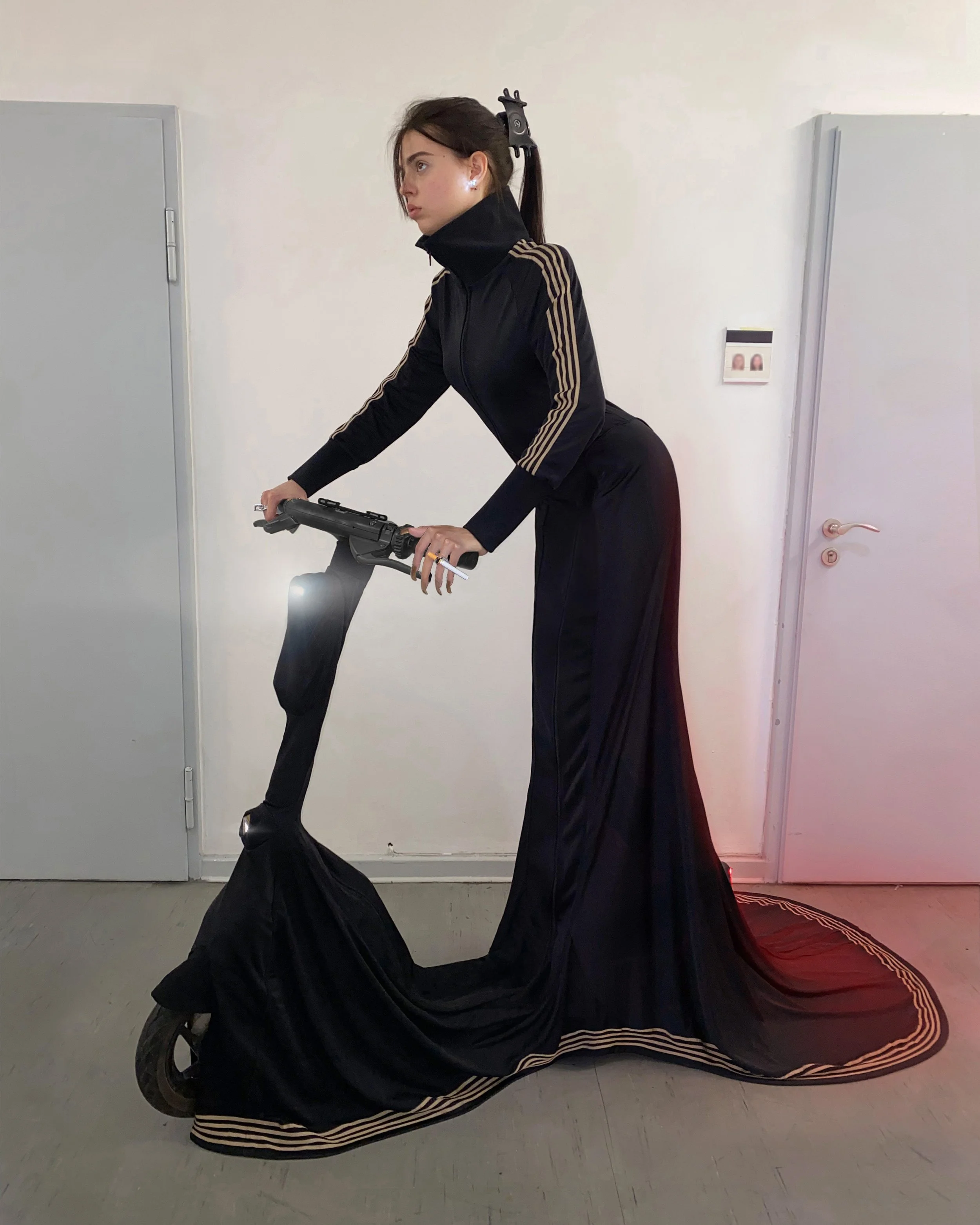
A recurring motif throughout their collections is the “wheels on dress” concept, most notably realized in the scooter dress from their 2023 debut collection, You won’t believe. This garment encapsulates monamobile’s approach to duality. Designed to be worn in two distinct ways, and allowing the body to alternate between walking and riding, the scooter dress functions as both clothing and mode of transport, collapsing the boundary between dressing and commuting. The garment reflects what might be described as the dual tiredness of the capitalist world: physical exhaustion from constant movement and psychological fatigue from the pressure to remain productive. 


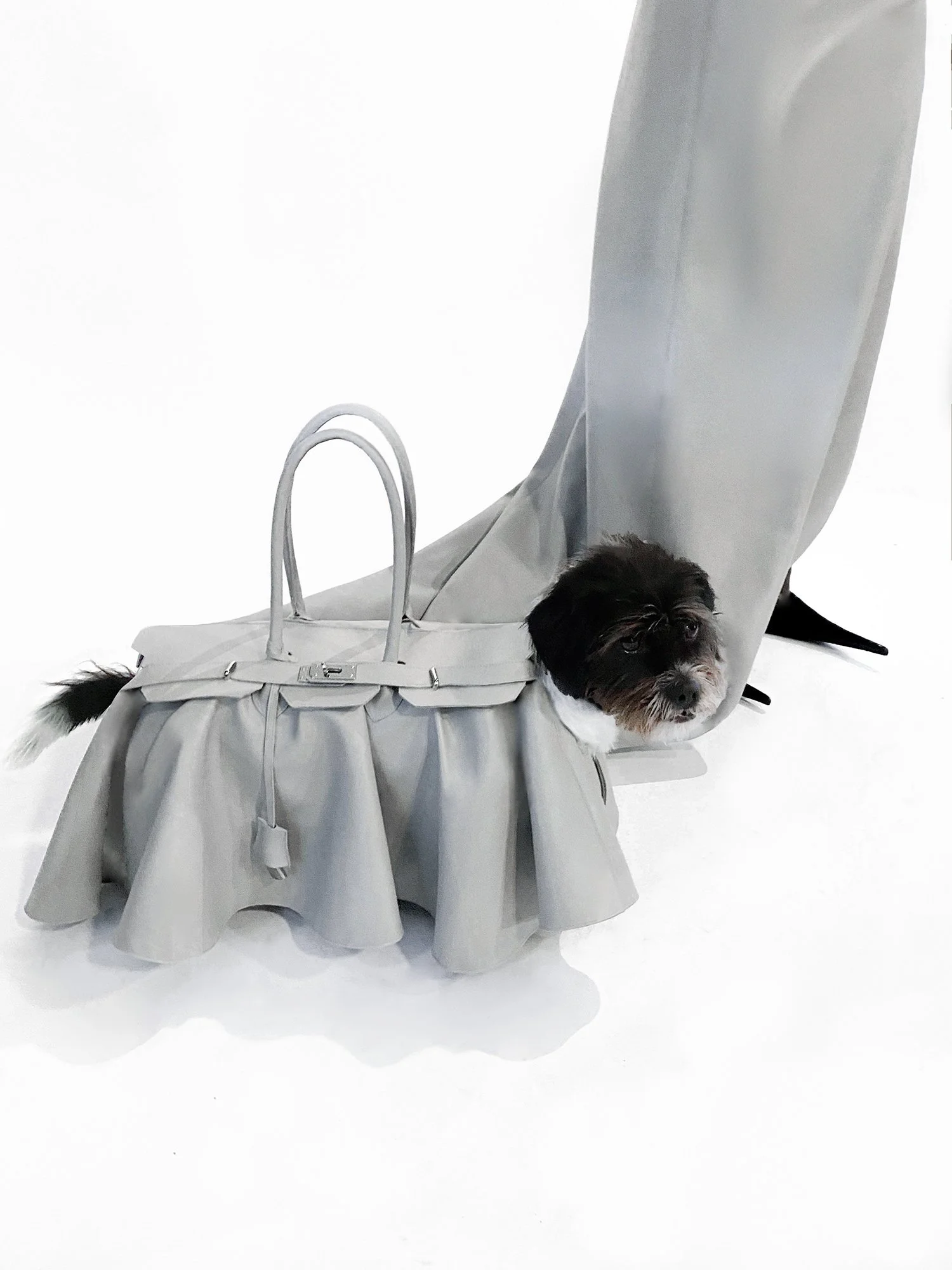
Oscillating between fashion, accessory, and performative statement, the dog dress stands out as an understated yet bold design concept. The contrast between the dress’s neutrality and the disruptive presence of the sculptural dog handbag at the end creates unfamiliarity, reinforcing a sense of intrusion while sustaining the viewer’s curiosity.

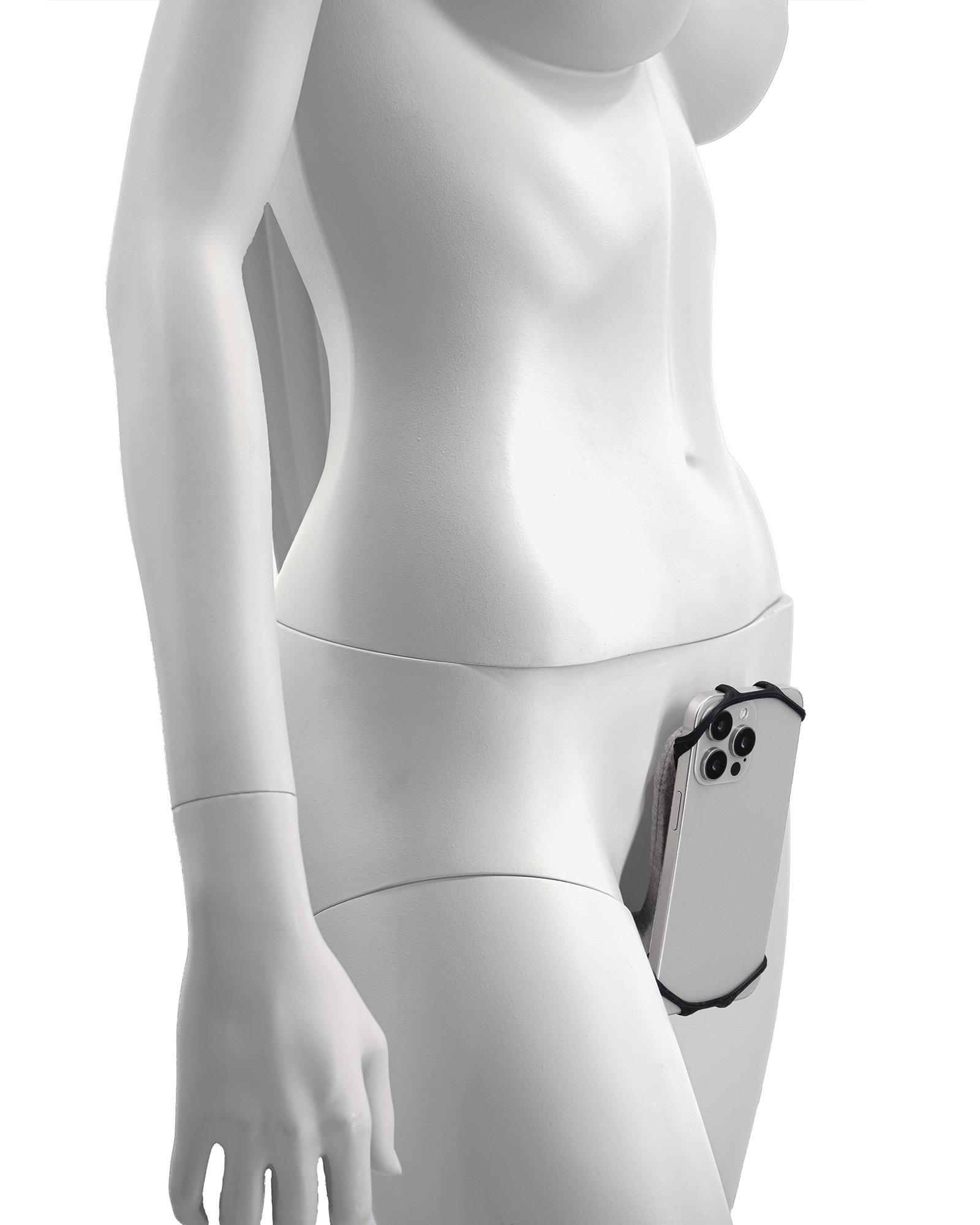
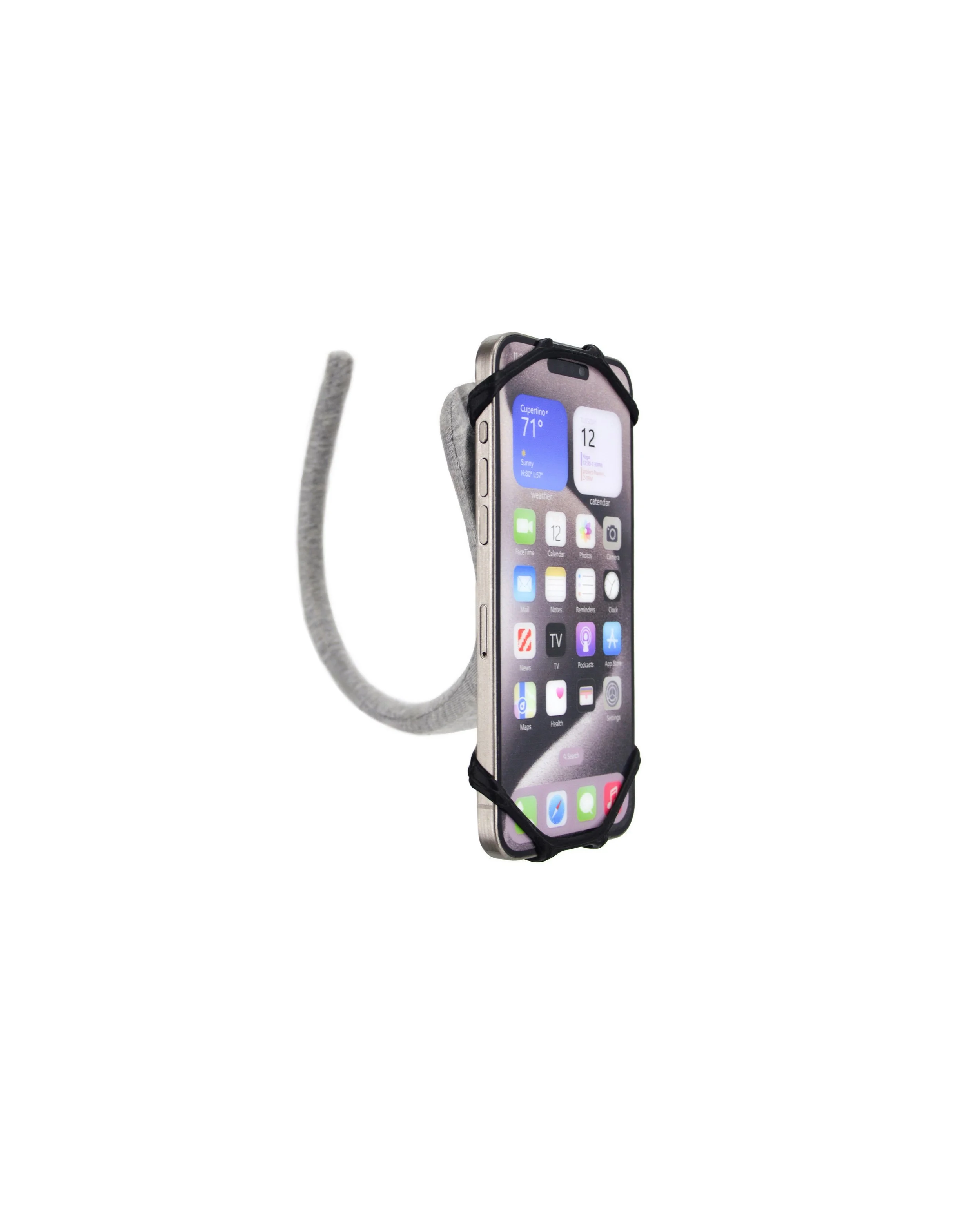
A key part of Monamobile’s work is the integration of technology directly into design in a way that feels obvious, physical, and sometimes uncomfortable. Rather than employing a sleek and seamless approach to their pieces, as one might expect, technology is placed very conspicuously on the body. From the mobile chastity belt to light-up pearly nails to a phone worn as a bobble in the hair, these objects become part of how the body is dressed and seen. Technology shifts from something we carry to something we wear. They make the wearer more aware of their being constantly connected, turning everyday technology into something increasingly personalized.

Monamobile’s resistance to conventional fashion structures extends beyond form into production and release strategy. In the fall of 2025, Monamobile took a different approach to fashion and consistency, opting to release a single product each month according to a calendar system. Disrupting the industry’s rhythm of silence between seasonal collections, each release is given space to exist on its own terms — hinting at a future where clothing is designed not just to be seen, but to function, evolve and endure beyond the standard seasonal lifespan. 


Twins: An Editorial by Debora Brune & Sophie Ozra Cloarec

photography by Debora Brune @ DILLER Global
assisted by Emma Obermann
styling by
Sophie Ozra Cloarec
assisted by
Sybbi Rhaye
makeup by
Adam de Cruz @ ONE REPRESENTS using Haus Labs
assisted by
Yuichiro Kamei
hair by
Chrissy Hutton
assisted by
Milita Nagelyte
produced by
Lea Bütefisch
modeling by
Baillie & Brooke @ MODELS 1, Gabriele & Rayan @ AMCK MODELS, Hazel & Kirsty @ The MiLK Collective

left: Kirsty wears bra & trousers by Julie Kegels, panties by Skims, shoes by Charles & Keith

right: Hazel wears top by Skims, trousers by Samanta Virgino, belt by Julie Kegels, shoes by Ashley Williams


left: Baillie wears bra by Skims, jeans by Jeanerica, shoes by Kalda, bag by Charles & Keith
right: Brooke wears bra by Fruity Booty, bodysuit by Skims, jeans by Jeanerica, shoes by Aeyde, socks by Swedish Stockings


left: Gabriele wears jacket by Studio Nicholson, vintage t-shirt, jeans by Jeanerica, shoes by Russel & Bromley
right: Rayan wears blazer by Studio Nicholson, vintage t-shirt, jeans by Jeanerica, shoes by Vagabond


Gabriele & Rayan wear trousers by Jeanerica

left: Kirsty wears jacket by Studio Nicholson, shirt by Wales Bonner, gloves by Julie Kegels, tights by Calzedonia
right: Hazel wears dress by Ashley Williams, trousers & sweater, by Studio Nicholson

left: Hazel wears blazer by Malina, zip up by Wales Bonner, earrings, by Aeyde
right: Kirsty wears trousers by Wales Bonner, top by Fruity Booty, bolero by Lucila Safie, jewelry by Aymer Maria


Brooke wears shirt by Jeanerica, jeans by Studio Nicholson, zip up by Wales Bonner, boots by Vagabond
Baillie wears jacket by Vince, shorts by Studio Nicholson, tights by Swedish Stockins, shoes by Charles & Keith


left: Baillie wears bodysuit by Lucila Safdie, trousers by Juicy Couture
right: Brooke wears top by Lucila Safdie

Diesel’s SS26 Collection Is Leading the Way in Democratizing Fashion


text by Alper Kurtul

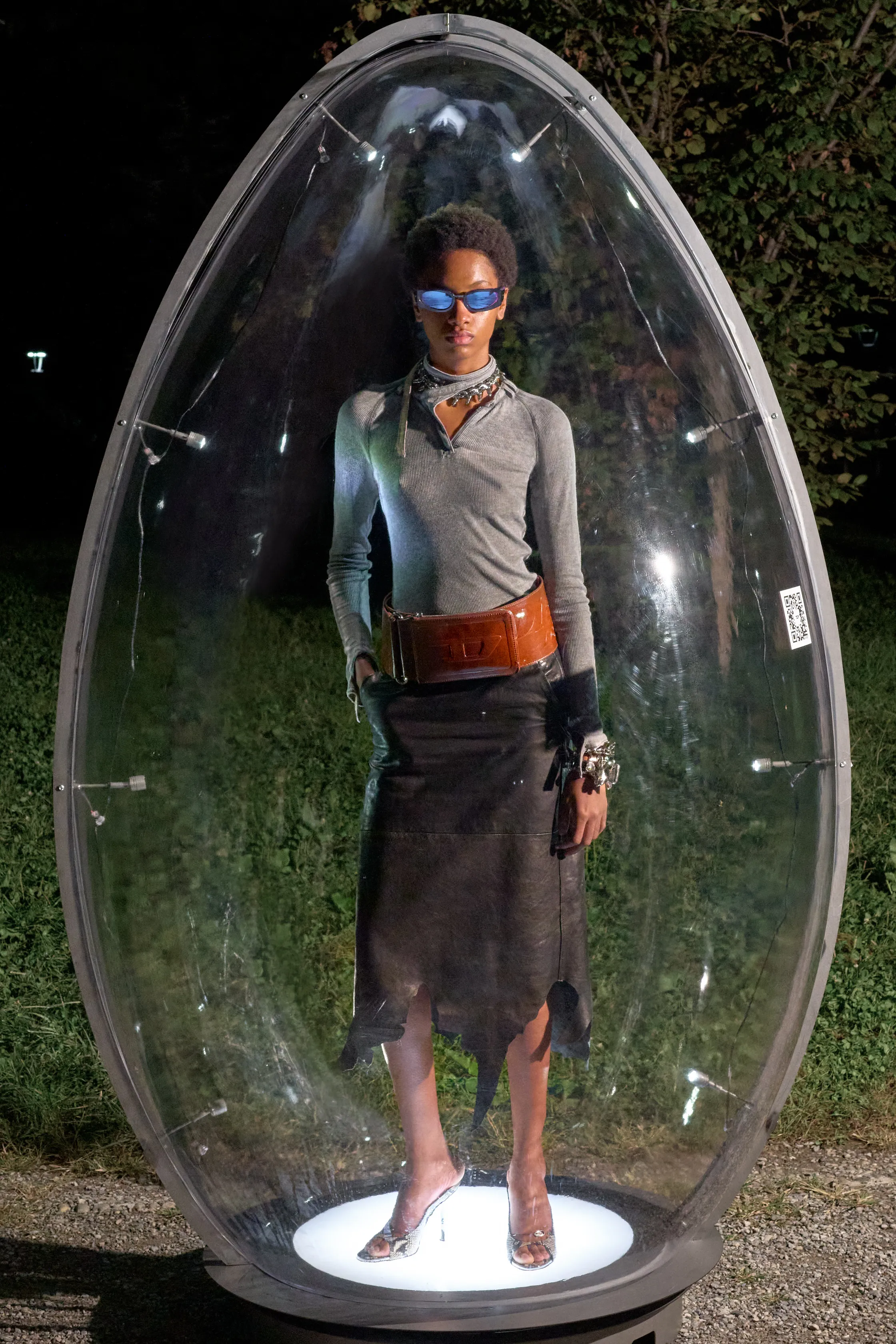
Rather than presenting a collection this season, Diesel launched a game. . Milan’s streets, clubs, bars, hotels, galleries, and even its hidden corners were transformed into a giant egg hunt, turning the city into a living fashion map. Fifty-five looks appeared inside transparent capsules waiting to be found, with the first five people to discover them all receiving full Diesel looks before Christmas. 

Inside the transparent capsules, the clothes confront the city without fear. One of the looks features a pastel-printed top paired with a skirt made from soft, furry textures, cut into oval openings that reveal the hips with a mischievous wink. The long floral skirt that completes the silhouette suggests a memory of domestic comfort., Yet the futuristic enclosure and the glowing circular platform beneath the model’s feet transform that memory into a performance. This tension between intimacy and spectacle is pure Diesel. It is softness that dares to provoke.


Another look turns fragility into armor. A cloud-like explosion of fiber surrounds the shoulders and chest, as if the model had grown wings. The muted velvet skirt and floral tights extend the body like vines reaching for streetlights. A small handle bag hangs from her wrist like a treasured secret. The gaze is direct and unshaken. Diesel understands that beauty has teeth and that elegance can be a weapon.

SS26 proudly carries this attitude. Denim on denim is back in full form. The courage of the 2000s and the freedom of the 1970s meet in the same silhouettes. Bleached effects and visible seams bring the fabric’s raw essence to the surface. Distressed satin denim pulls you in with a single touch. Grey skirts, hair clips clipped into bags, leather cuffs, and metallic footwear celebrate experimentation as identity.

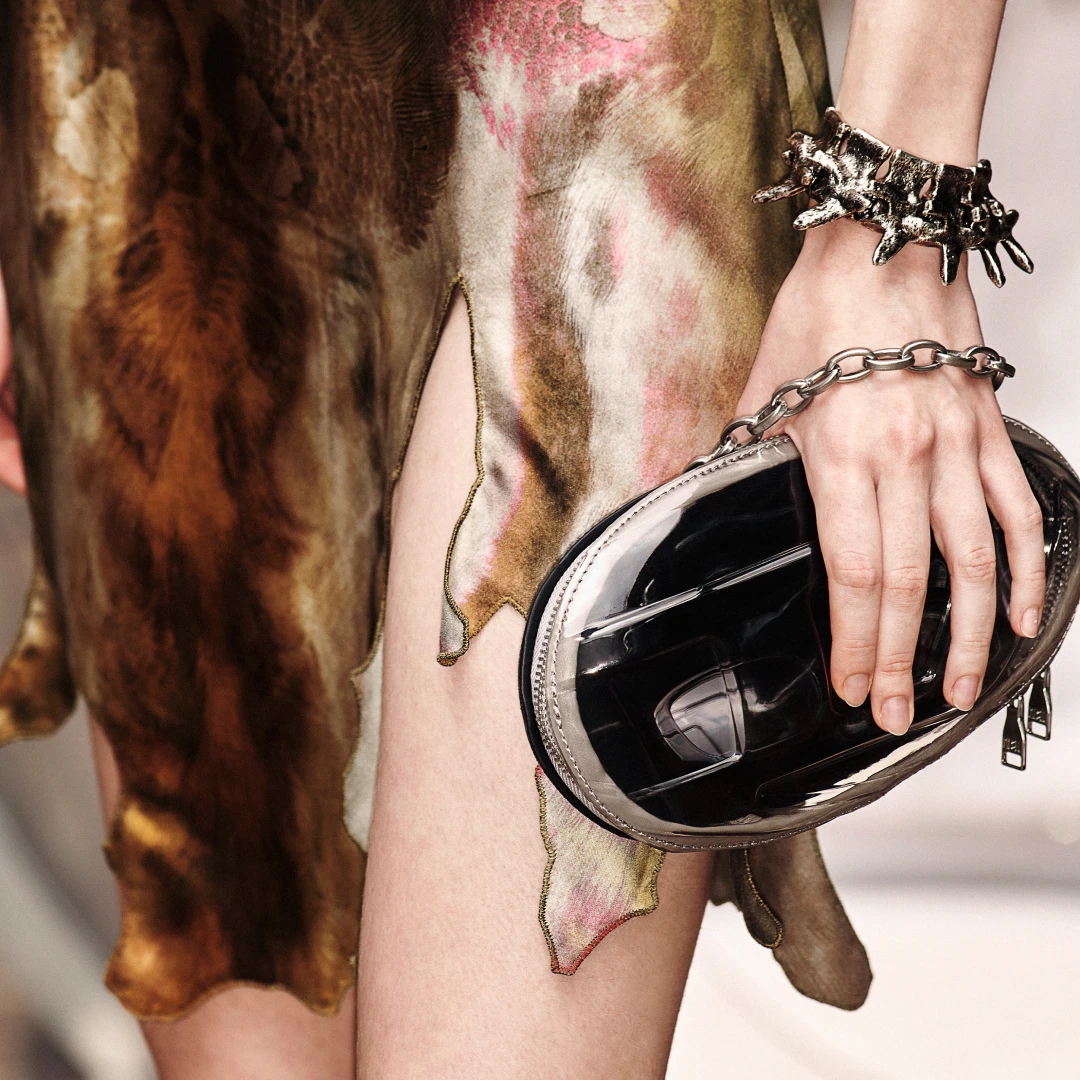
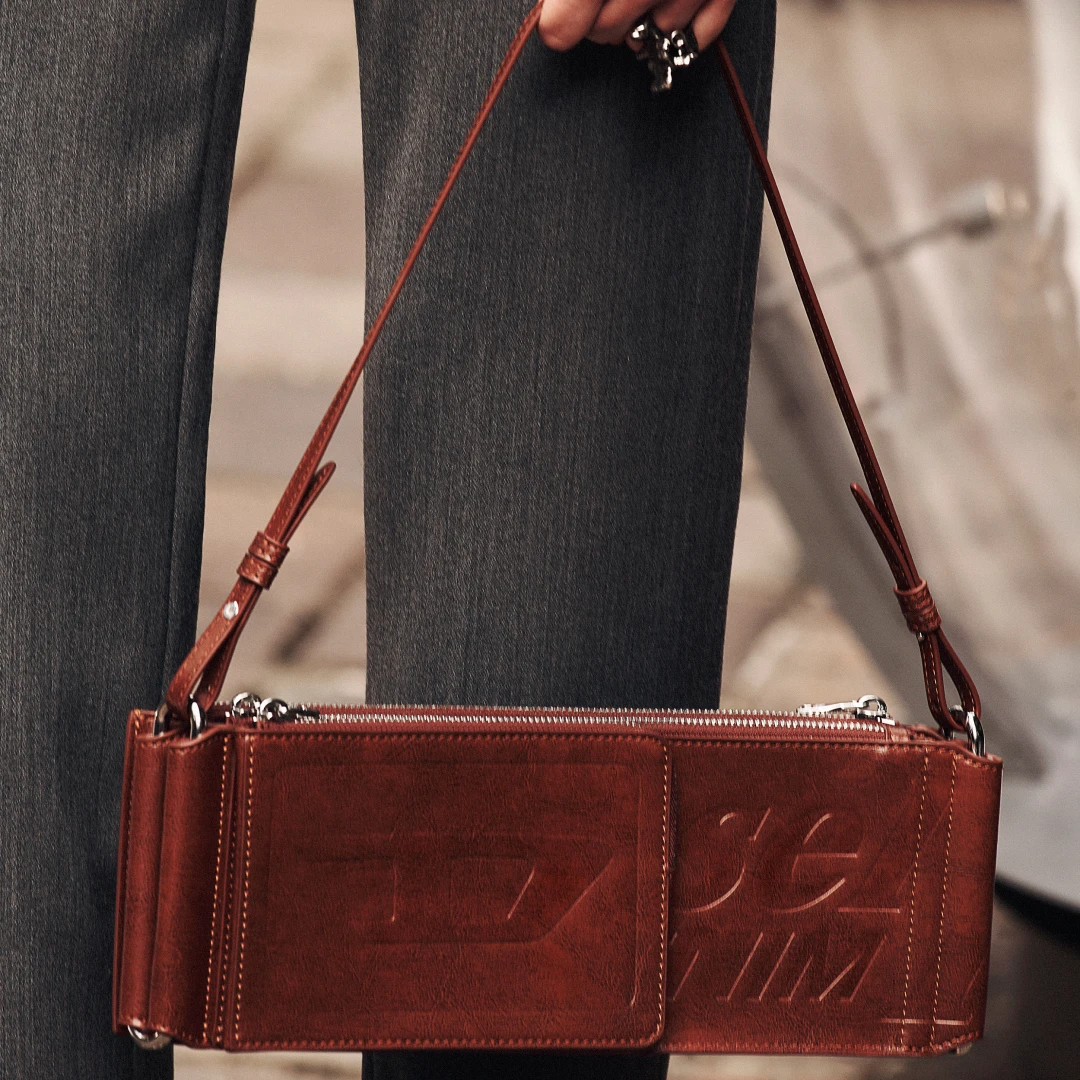
Accessories become characters in this story. Bags sit at a midpoint between sculpture and utility, and some are treated almost like wearable secrets with compact shapes that ask the viewer to come closer. Silver shoes and buckled heels ground the looks in a crisp present tense while futuristic jewelry sits high on the collarbone like talismans from a world where fashion and survival share the same language. Every piece is a reminder that attitude requires an object to anchor itself in the real. Diesel offers those anchors with confidence and mischief.

Jumpsuits appear as if psychedelic animal skins were taken apart and rebuilt again. Knit pieces wrap the body while refusing every expected rule. Punk-like defiance blends with pop-like shine in a single movement. Diesel chooses to redefine luxury rather than hide beneath its shadow. Fashion is a participatory act. That is why the collection is not restricted. It is shareable. People are hunting for these looks, because fashion is finally for everyone.

Transience by Ryan Molnar and Natalia Farnaus

photography by Ryan Molnar
styling by
Natalia Farnaus
model
Marie Kippe
makeup by
Paloma Brytscha
hair by
Masayuki Yuasa

shirt, dress, shorts, tights, shoes VALENTINO

shirt, dress VALENTINO

black longsleeve STYLIST’S OWN
black top with fur trimmings ABLONDI
brown skirt REPARTO
tights FALKE
shoes AEYDE

high-neck top, jacket, leggings & boots LOUIS VUITTON

shirt, belt, skirt JULIE KEGELS
shoes AEYDE

blouse LOUIS VUITTON
skirt JADE CROPPER
tights FALKE
shoes AEYDE

blouse LOUIS VUITTON
skirt JADE CROPPER
tights FALKE
shoes AEYDE

In Dialogue with the Present: Read An Interview of Designer Ying Gao

An image from all mirrors collection, featuring both menswear and womenswear

All Mirrors Collection. Photography by Malina Corpadean.

What happens when couture meets code? Montréal-based fashion designer Ying Gao is recognized for consistently pushing the boundaries of fashion through her exploration of fabric manipulation, interactivity, and technology. The use of unconventional materials to make wearable art is prominent in her work, as evidenced in her All Mirrors 2024 collection, made of soft mirrors and 18-karat gold finishing. In 2023, her In Camera collection experimented with reactivity in fashion design by coming to life when photographed. Even as early as 2017, she made waves with interactive fingerprint technology that only recognizes strangers in her Possible Tomorrows collection. The infusion of technology in her work adds a sense of movement and interaction that captivates audiences, and each collection has a special story to tell. Read more

Reborn with Dario Vitale: Versace's SS26 Collection Preview

The harshness of Medusa’s gaze transforms into a smile. Vitale blends Gianni’s bold use of color and desire for imagery with today’s rationality.

text by Alper Kurtul
photographs by Alec Charlip

Versace’s Spring/Summer 2026 preview took place in New York at the Tea Room of the Prince George Ballroom, located within the historic Prince George Hotel complex between Madison and Fifth Avenue. This century-old structure, with its Beaux Arts-inspired elegance, has been transformed into an event venue, and it is said that the women’s tea room, which opens onto the ballroom, and other former common areas have been restored and adapted for contemporary use. 

The first thing felt upon entering the hall was the reality of a changing of the guard. Donatella Versace’s departure from creative management after nearly thirty years and the arrival of Dario Vitale, who worked for many years at Miu Miu building products and images, signified not just a change in name but a shift in perspective. The news that this transition was confirmed in March and that Vitale took over in April marked a turning point in terms of the brand’s future and potential strategic directions. Every detail seen while walking around the room signaled the tone of this new era. 

Vitale’s background in the Prada school is evident in the rational structure and material discipline characteristic of Mrs. Prada. However, here, instead of harsh minimalism, an exuberance that winks at Gianni’s legacy has been chosen. The door opened by the Versace Embodied project had already paved the way for this direction. A line starting with a bronze relief of Medusa merges with the present through black-and-white portraits documenting the youth of Southern Italy, Collier Schorr’s intimate drawings, and Eileen Myles’ search for raw expression. Vitale’s softened use of Medusa in the preview gains a joy that flirts with pop art. This narrative becomes a manifesto on how the house’s codes have been updated. 


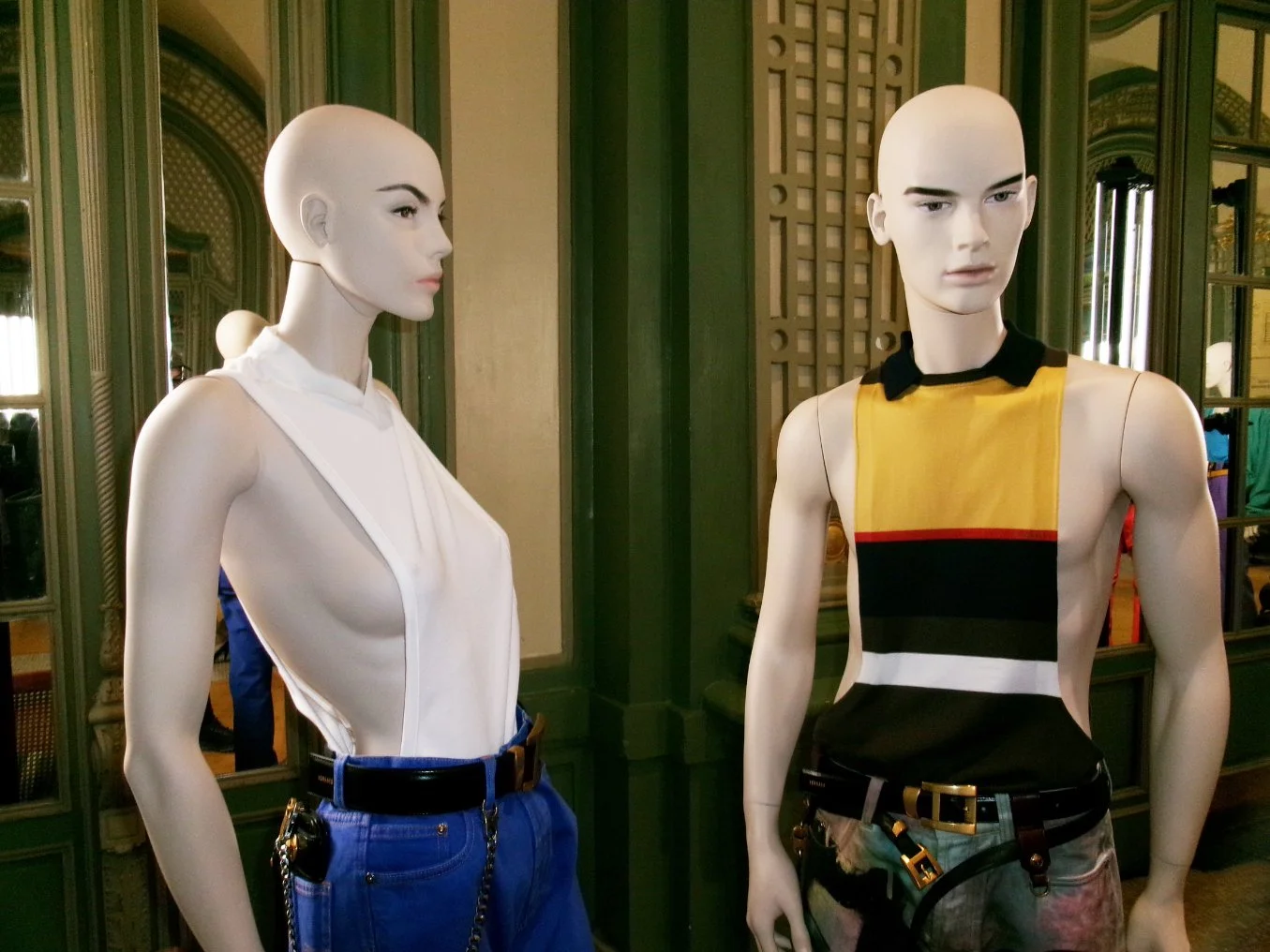
The silhouette language rises above a powerful and controlled nostalgia. It returns with high-waisted pants, prominent shoulders, pleated fabrics, and layered stylization, reminiscent of Miami in the ’80s and ’90s. Suits that look like they jumped out of Don Johnson’s Miami Vice screen but fit today’s urban body stand out. Printed denim and silk pieces adorned with Marilyn Monroe portraits and Warhol-inspired Pop prints take center stage. This is both a direct reference to Gianni Versace’s 1991 Spring/Summer collection and a contemporary echo of the brand’s longstanding dialogue with photography, prints, and identity politics. On the accessories side, gold-toned surfaces and Greek key motifs create a vibrant exchange between antiquity and pop culture, while each silk blend fabric used on the prints is finished by hand. This craftsmanship is particularly evident in the undergarments, where hand-applied paint transitions and micro print transfers on the fabric layers make each piece unique. The human face motifs, inspired by archival portraits, are not printed but hand-painted directly onto the fabric, giving every garment a slightly different expression that feels intimate and alive, as if each carried the touch of its maker (except for Marilyn Monroe, some of the faces that may seem like celebrities actually belong to random people, which subtly forces the viewer to look closer and question what feels familiar). The mannequins used in the exhibition are original models from the Gianni Versace era, handmade in the Milan workshop in the 1980s. These mannequins perfectly reflect the Italian tailoring standards of the period and Gianni’s sense of form. With their handcrafted surfaces, the garments’ lines are displayed as if on a sculpture rather than a mechanical display; the warmth of the human body is preserved in the way the clothes are presented. Thus, the material of the past is transported to today’s stage, and the weight of craftsmanship combines with the energy of modern colors and forms to become a narrative of dynamic confidence.

In footwear, the first hints of the Onitsuka Tiger collaboration are visible as the signature move of the new era. Tai Chi-inspired, low-profile models and a loafer interpretation offer a taste of tailoring, where Japanese production precision meets Italian leather. This collaboration was a separate headline in the news flow of Vitale’s debut season and looks set to become a key file for sneaker enthusiasts in the coming season. The emphasis on Versace partnering with a sports shoe brand for the first time in the sneaker field clearly opens the brand’s door to the street. 

Versace is reestablishing the relationship between myth and the body. The sculptural coldness of the gods gives way to a warmth closer to the human scale. The harshness of Medusa’s gaze transforms into a smile. Vitale blends Gianni’s bold colors and love of imagery with today’s clear sense of rationality. The styling feels fluid, mixing tailored pieces with soft layers that add movement and depth. Each look carries the energy of spontaneity, turning maximalism into something quietly human. This approach strengthens the brand’s relationship with the city and manages to remain wearable even in a hub of intensity like New York. The preview proves that grandeur can be conveyed not through ostentation but through measured assertiveness. Therefore, the expression of rebirth encompasses not only the new creative director but also the brand’s return to itself to find a fresh direction.

LEMAIRE Presents "Nine Frames" A Series Of Cinematic Vignettes For the FW 2025 Collection

LEMAIRE presents NINE FRAMES, a film exploring the “interplay of clothing and cinema.” The film unfolds across nine vignettes, each exploring a distinct emotion or gesture through silhouettes from the Fall/Winter 2025 collection.

The cast features actors from the LEMAIRE community—Doona Bae (Cloud Atlas, Broker), Erwan Kepoa Falé (Atlantique), Julie Anne Stanzak (a longtime performer with Tanztheater Wuppertal Pina Bausch), Jussi Vatanen (The Happiest Day in the Life of Olli Mäki), Mame Binta Sané (Les Misérables), and Viktoria Miroshnichenko (Beanpole)—brought together by the individuality of their creative paths.

They move through the garments and settings with quiet assurance, engaging the camera with ease and subtlety.Shot on 35mm, the film emphasizes the tonal and textural qualities of analogue imagery.

Extended takes create a feeling of real-time observation, allowing emotion, space, and duration to develop without interruption, and fostering a sense of closeness between viewer and subject. LEMAIRE’s clothing functions as a cinematic instrument, amplifying character and gesture with understated narrative depth.

Structured as a series of fragments, Nine Frames encourages a non-linear experience in which meaning is assembled by the viewer. A printed book and physical installations at the Elzevir, Hannam, and Ebisu stores extend the film into tangible form, offering a continuation of its atmosphere beyond the screen.

Read an Interview of Jenny Fax Creative Director, Jen-Fang Shueh

Courtesy of Jasmin Avner

text by Kim Shveka


In this SS26 collection, ten models exist together in a small office space, engaging in mundane actions, terrestrial to their own little planet, all marooned in their own thoughts. We are invited in as foreigners to the scene, drifting among the models yet sensing an unmistakable barrier between us and them. The experience is filled with dissonances, but the biggest anomaly is the clothing, which portrays a colorful childhood within the somber, 9-to-5, depressing atmosphere. This is the tableau of Taiwanese designer Jen-Fang Shueh’s fashion brand, Jenny Fax. Surrounded by smoke and the sound of Taiwanese lullabies, I met Jen for an interview. Read more

Dario Vitale's Dualisms In The Domestic Setting Of Versace's Spring Summer 2026 Collection at Pinacoteca Ambrosiana

Versace staged its Spring Summer 2026 collection inside Milan’s Pinacoteca Ambrosiana, the city’s oldest art museum and a 17th-century palazzo that once served as a private residence. The setting felt less like a show venue and more like a home—intimate and lived-in.

Across two floors of historic salons, set designer Andrea Faraguna transformed the museum into a dream of domestic life. Masterpieces as backdrop, while each room offered a glimpse into a narrative of a life lived: a dining table crowned with a champagne tower, mirrored corridors humming with reflection, bedrooms scattered with yellowing papers and magazines. At the center, in the Sala Della Medusa, a marble bust of the mythic figure presided—a reminder of Versace’s enduring emblem and the tension between beauty, danger, and power.

This mise-en-scène captured Dario Vitale’s evolving vision for the House: the dialogue between modernity and heritage, sensuality and intellect, generosity and restraint.

The atmosphere was shaped by a soundscape from Terraforma, the Milan-based collective known for bending sound and space into one. Voices drifted through the rooms; the hiss of radio static and the echo of footsteps gave way to a shifting mix of music curated with Car Culture (New York DJ Daniel Fisher, aka Physical Therapy). From Handel to Morricone, Prince to Laurie Anderson, Madonna to the Eurythmics—the playlist pulsed with movement and memory, tracing the same rhythm that runs through Versace itself: emotional, unpredictable, alive.

Dior's SS 2026 RTW Collection Is A Reinterpretation Of Heritage With Set Design by Luca Guadagnino

On October 1 in the Jardin des Tuileries, Dior presented its 2026 RTW collection by Jonathan Anderson, which brilliantly reimagined the House’s heritage through an empathetic, deeply humanistic lens.

Drawing from the archive, Anderson wove familiar codes into new forms. The bow—an enduring Dior signature—appeared everywhere, reinterpreted in pinch-front coats, draped cotton drill miniskirts, airy lace dresses, and the new Dior Cigale top-handle bag. Shrunken Bar jackets took on sculptural proportions, while rippling capes and voluminous shorts echoed both his June debut and the House’s couture lineage. The result was a study in tension and transformation, offering a spectrum of attitudes and self-expressions.

The show space, conceived by Luca Guadagnino and Stefano Baisi, blurred the line between digital and physical realms. A specially commissioned film by documentary auteur Adam Curtis unfolded across an inverted LED pyramid—Dior’s past flickering in fragments before collapsing into the form of a Dior shoe box. It was a poetic gesture: memory as something preserved, contained, and perpetually open to rediscovery.

photographs by Adrien Dirand


Wrong Time, Right Look by Yoonwoo Kim & Olivier Mohrińge

jewelry: uncommon matters
jacket: MSGM 

photographs by Yoonwoo Kim
styling by
Olivier Mohrińge
hair & makeup by
Helena Narra


earrings: uncommon matters
jacket: Balenciaga 


jewelry: uncommon matters
top: Magliano
bag 1: Jerôme Dreyfuss
bag 2 & belt: Acne Studios
skirt: Our Legacy 


earrings: uncommon matters
skirt & jacket: Balenciaga 

earrings: uncommon matters
skirt, jacket & pumps: Balenciaga 


jewelry: Saskia Diez
top & shorts: Ferragamo 


jewelry: uncommon matters
top & jacket: Our Legacy
shorts: Diesel
boots: David Koma 


earrings: Bottega Veneta
top & jacket: Magliano